













Now Reading: Five cars that chart India’s journey to mass motoring
-
01
Five cars that chart India’s journey to mass motoring



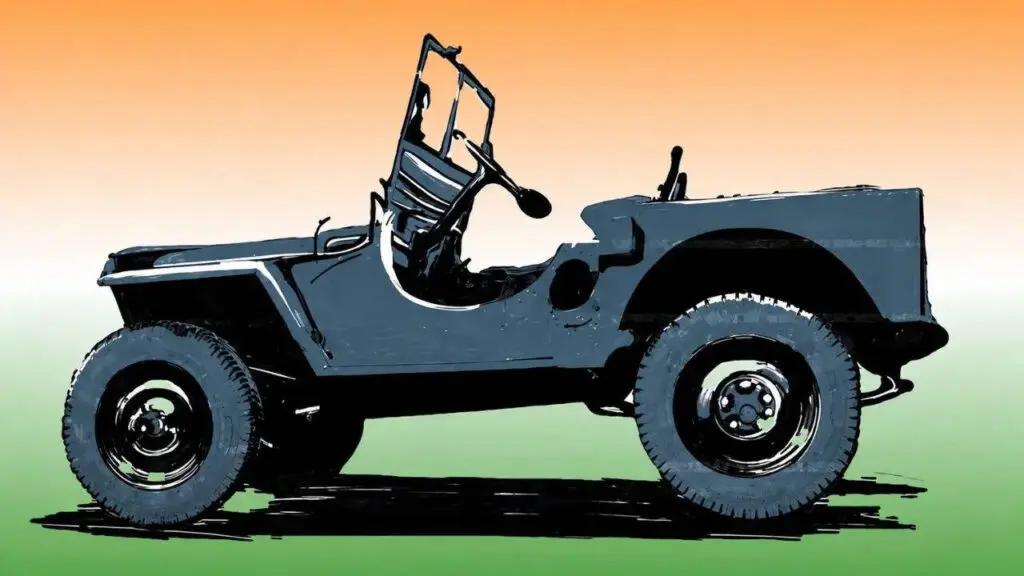
As India marks its 80th Independence Day, five cars and utility vehicles trace the country’s changing automobile industry. Mahindra began assembling Willys Jeeps in 1947, while the Morris Oxford-based Hindustan Ambassador entered…
The Story in Brief
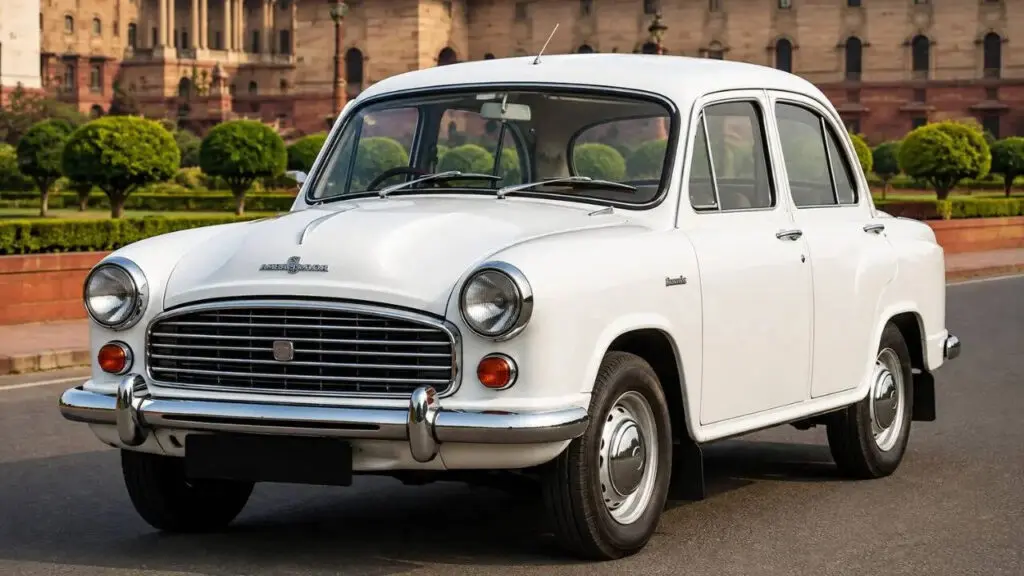
As India marks its 80th Independence Day, five cars and utility vehicles trace the country’s changing automobile industry. Mahindra began assembling Willys Jeeps in 1947, while the Morris Oxford-based Hindustan Ambassador entered production in 1958 and ran for 56 years. The Fiat-based Premier Padmini became Mumbai’s famed Kaali Peeli taxi. Maruti 800, launched in 1983 through a Maruti-Suzuki joint venture, sold more than 2.6 million units in India before production ended in 2014. Tata’s Indica, launched in 1998, was India’s first fully indigenously developed passenger car and remained in production until 2018. Together, the vehicles reflect India’s shift from licensed assembly to homegrown design.
The Indian Opinion
The lazy story is that India’s car industry began with foreign designs, while the opposite exaggeration treats every later model as wholly indigenous. The record is more mixed. Licensed Jeeps, the Ambassador and Padmini helped build manufacturing and ownership, while Maruti made car travel affordable at scale. The Indica marked a clear design milestone, but affordability, emissions and demand decided which cars survived. The useful test is not nostalgia, but whether today’s Indian models can match the Maruti 800’s domestic sales of over 2.6 million units.
Sources (2): auto.economictimes.indiatimes.com, timesnownews.com
This story was synthesised by AI from the 2 sources linked above.
Updated: this story now draws on 2 sources.