













Now Reading: India’s trade deals face a test of export utilisation and follow-through
-
01
India’s trade deals face a test of export utilisation and follow-through

India’s trade deals face a test of export utilisation and follow-through

The Economic Times reported that India now has trade agreements in place with the UAE, Australia, the UK, Oman, the European Free Trade Association bloc, ASEAN members, Japan, South Korea and Singapore,…
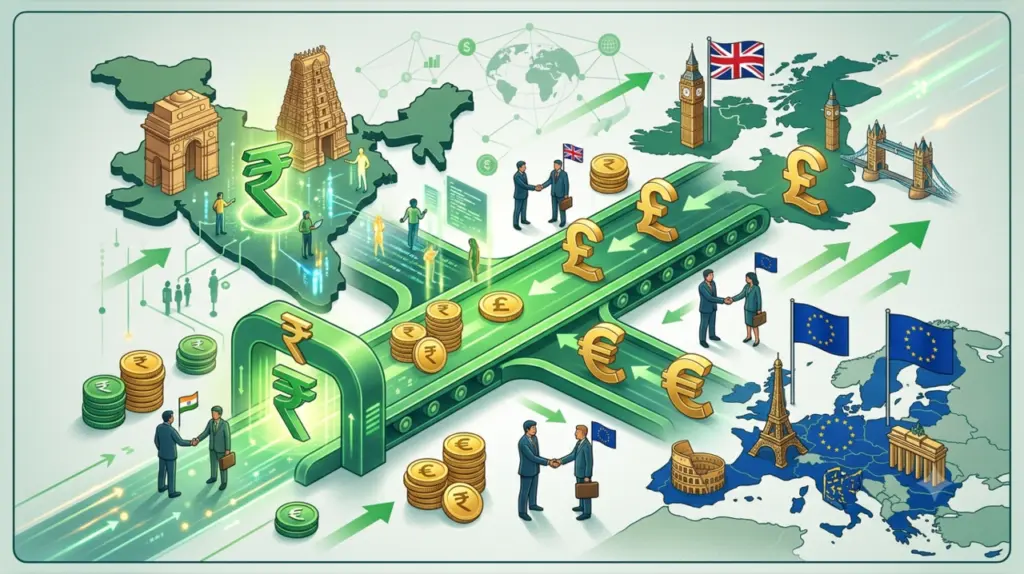
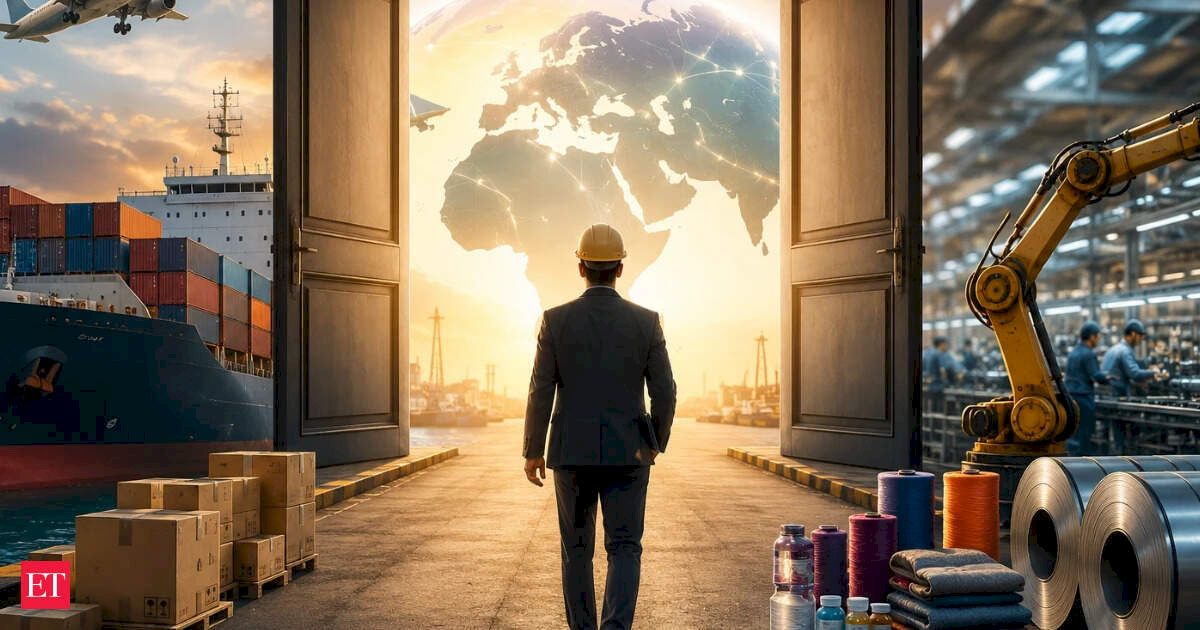
The Economic Times reported that India now has trade agreements in place with the UAE, Australia, the UK, Oman, the European Free Trade Association bloc, ASEAN members, Japan, South Korea and Singapore, alongside a newly struck pact with the European Union that unlocks another sizeable export destination, negotiations with the US and Canada are ongoing. Analysts quoted in the report see these deals pulling India further into global value chains, but flag actually using the access on offer as the harder task. Per the Global Trade Research Initiative, only 20% to 30% of exports eligible for preferential tariffs currently claim them. Hurdles cited include certification demands, rules-of-origin compliance, production costs, sustainability rules, logistics and limited scale among exporters. Shipments to the UAE and Australia have already picked up, the report added, though the payoff differs sector by sector.
Indian Opinion Analysis
The gap the Global Trade Research Initiative points to, only 20% to 30% of eligible exports claiming preferential access, separates the diplomatic achievement of signing these deals from the harder task of exporters actually using them. Stronger early gains to the UAE and Australia against weaker results elsewhere suggest that barriers such as certification, rules of origin, production costs, sustainability requirements, logistics and scale bite differently across sectors rather than uniformly. None of this shows whether the newer European Union agreement will follow the same pattern as the earlier deals. How the utilisation rate shifts once the EU agreement takes effect is the figure worth tracking next.
Source: economictimes.indiatimes.com
This brief was synthesised by AI from the source linked above.