
















Now Reading: India’s economy transitions from farm to services over 80 years
-
01
India’s economy transitions from farm to services over 80 years

India’s economy transitions from farm to services over 80 years

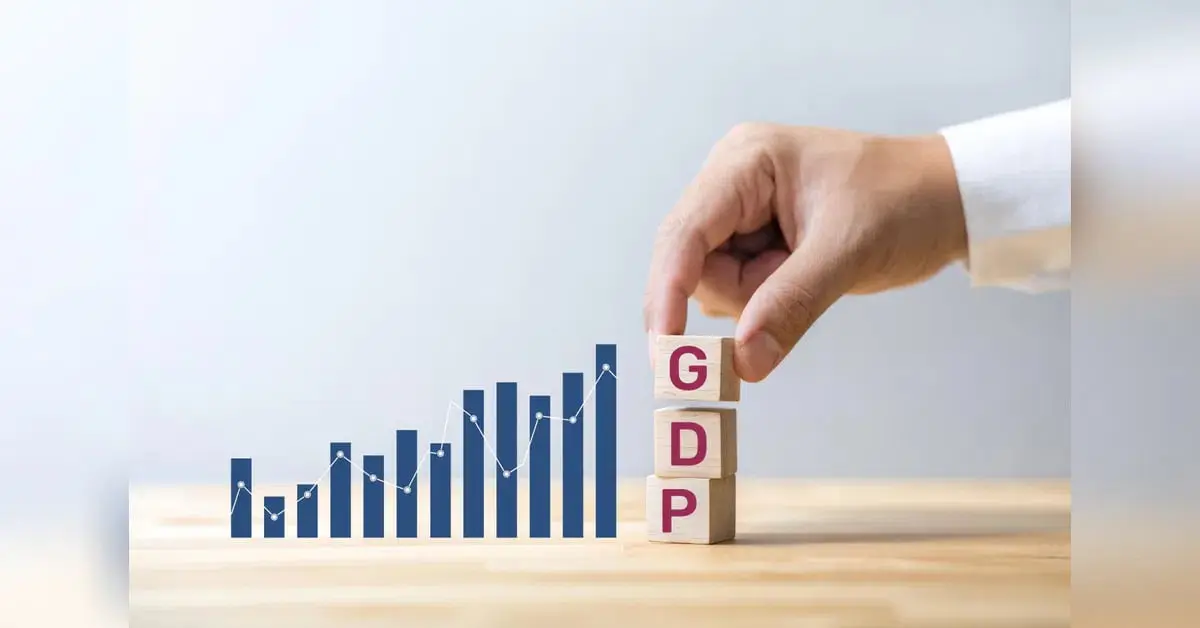
India's economy has undergone a profound structural change since Independence in 1947, shifting from an agriculture-driven base to one dominated by services. The Economic Survey 2025-26 shows services now contribute 51.1% of GDP, while agriculture's share has fallen from 53.1% in 1950-51 to 15.2% in FY26. Industry has largely stagnated at around 24-28% of GDP, never becoming the dominant bridge between the two sectors.

This transformation has not been matched by employment. Despite agriculture contributing just 15.2% of output, the Periodic Labour Force Survey for 2025 says it still employs 43% of all workers. Business Standard reports this creates a challenge of generating productive, better-paying jobs outside farming. Meanwhile, post-1991 reforms accelerated the economy's size to $4.15 trillion and per capita income to $2,700, but the uneven sectoral shift remains a key policy question.
Indian Opinion Analysis
Both sources, from Business Standard, use a neutral-report stance but frame the data differently. The first piece emphasises the structural shift towards services and the persistent employment mismatch, signalling a concern about job quality. The second celebrates the scale of post-1991 economic transformation: GDP, incomes, trade, and reserves. Combined, the story is one of undeniable growth with an incomplete transition: India has leapfrogged from agriculture to services without a manufacturing bridge, leaving 43% of workers in farming that generates only 15% of output. The numbers to watch are the employment share in agriculture and service-sector FDI, which will indicate whether growth is becoming inclusive.
Coverage: 2 sources, 2 neutral
Sources (2): business-standard.com (neutral report), business-standard.com (2) (neutral report)
This story was synthesised by AI from the 2 sources linked above. Methodology and corrections.
Updated: this story now draws on 2 sources.