










Now Reading: Modi urges handloom purchases as India weighs sector’s future
-
01
Modi urges handloom purchases as India weighs sector’s future


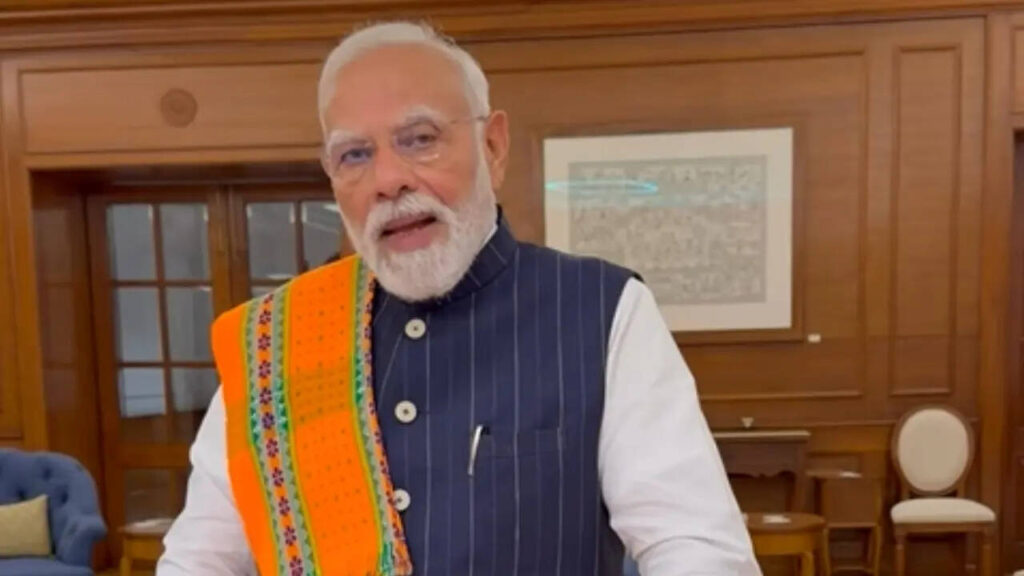
Prime Minister Narendra Modi marked National Handloom Day by urging citizens to buy handloom products and share “Get Ready With Me” videos online to support weavers and small traders. He recalled that…
The Story in Brief
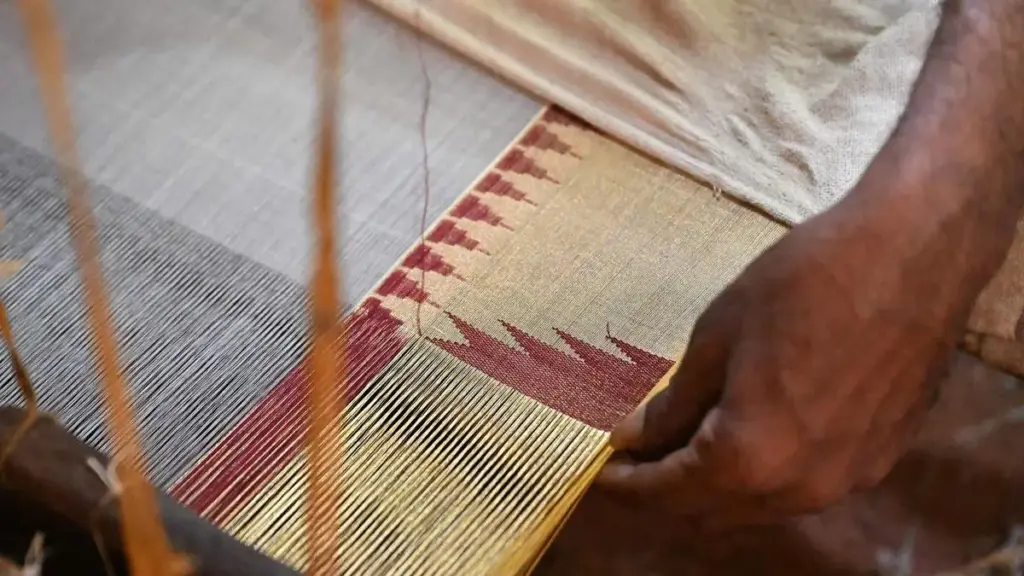
Prime Minister Narendra Modi marked National Handloom Day by urging citizens to buy handloom products and share “Get Ready With Me” videos online to support weavers and small traders. He recalled that the Swadeshi Movement began on August 7, 1905, and said the government would continue backing the sector.
The Hindu reports that handloom supports more than 35 lakh weavers and allied workers across over 31 lakh households, with women making up nearly 70% of the workforce. It produces nearly 15% of India’s cloth, but many lesser-known traditions face decline as incomes weaken, markets fragment and younger workers leave. Government programmes are promoting skills, design, technology, branding and e-commerce access.
The Indian Opinion
The lazy narrative is that handloom is either a museum piece or a social-media prop. Neither view is adequate. The sector still supports millions and supplies a sizeable share of India’s cloth, but online campaigns cannot fix weak incomes, fragmented markets or lost skills. Nor should every traditional weave be forced into a luxury label. The useful test is whether younger weavers earn enough to stay, and whether endangered traditions gain stable buyers beyond one festival day.
Sources (2): thehindu.com, timesnownews.com
This story was synthesised by AI from the 2 sources linked above.
Updated: this story now draws on 2 sources.