






Now Reading: India’s hydropower push raises flood fears in Kashmir
-
01
India’s hydropower push raises flood fears in Kashmir



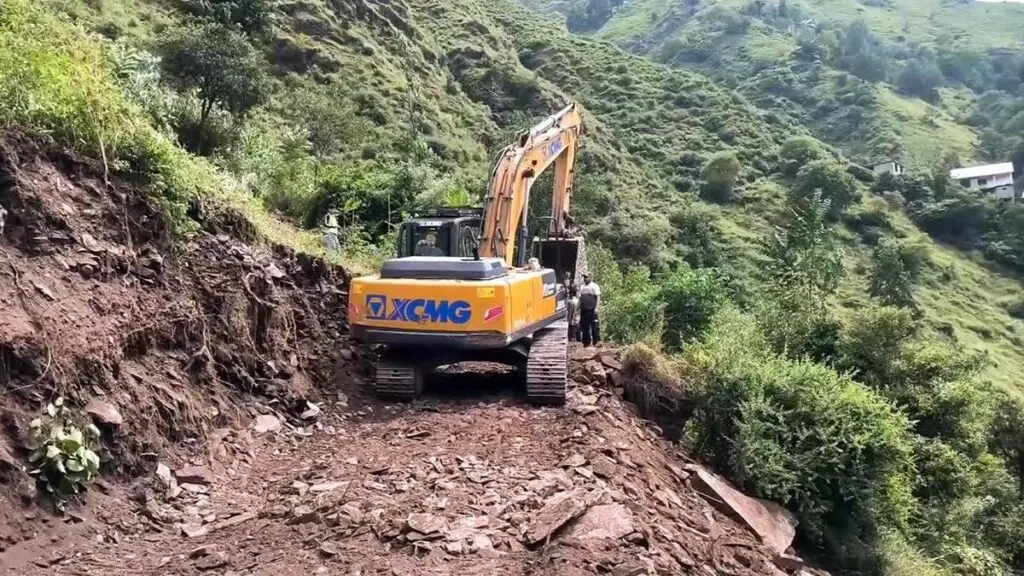
Flash floods swept through Kishtwar district in Indian-administered Jammu and Kashmir on August 1, destroying roads, homes and shops. Local trader Iqbal Ahmad described the sudden devastation from thunderstorms. The disaster has revived fears that India's aggressive hydropower expansion in the ecologically fragile Himalayan region is increasing the risk of such events.
Critics argue that large dam and tunnel projects disrupt natural drainage and make downstream areas more vulnerable to extreme weather. The government maintains that hydropower is vital for clean energy goals and economic development. With climate change already intensifying monsoon rains, the debate over balancing renewable energy targets against disaster preparedness has sharpened.
No official casualty figures have been released yet. Authorities are assessing the damage and have promised compensation for affected families. The incident is likely to fuel further scrutiny of ongoing and proposed hydropower projects in the region.
Indian Opinion Analysis
The debate over hydropower in the Himalayas is not new: large dams have long been linked to landslides and flash floods in Uttarakhand and Himachal Pradesh. What makes Kishtwar different is the concentration of multiple projects along the Chenab basin, which is also seismically active. The central government's target of 500 GW renewable capacity by 2030 puts immense pressure on states to fast-track clearances. For Kashmir, where winters are already harsh and power demand seasonal, the trade-off between cheap electricity and permanent geological risk is acute. The next key date is the monsoon review meeting, where disaster management agencies will release their official report linking this flood to construction activity.
Source: asia.nikkei.com
This story was synthesised by AI from the source linked above. Methodology and corrections.