










Now Reading: Kashmir villages lose trust in weather as cloudbursts rise
-
01
Kashmir villages lose trust in weather as cloudbursts rise


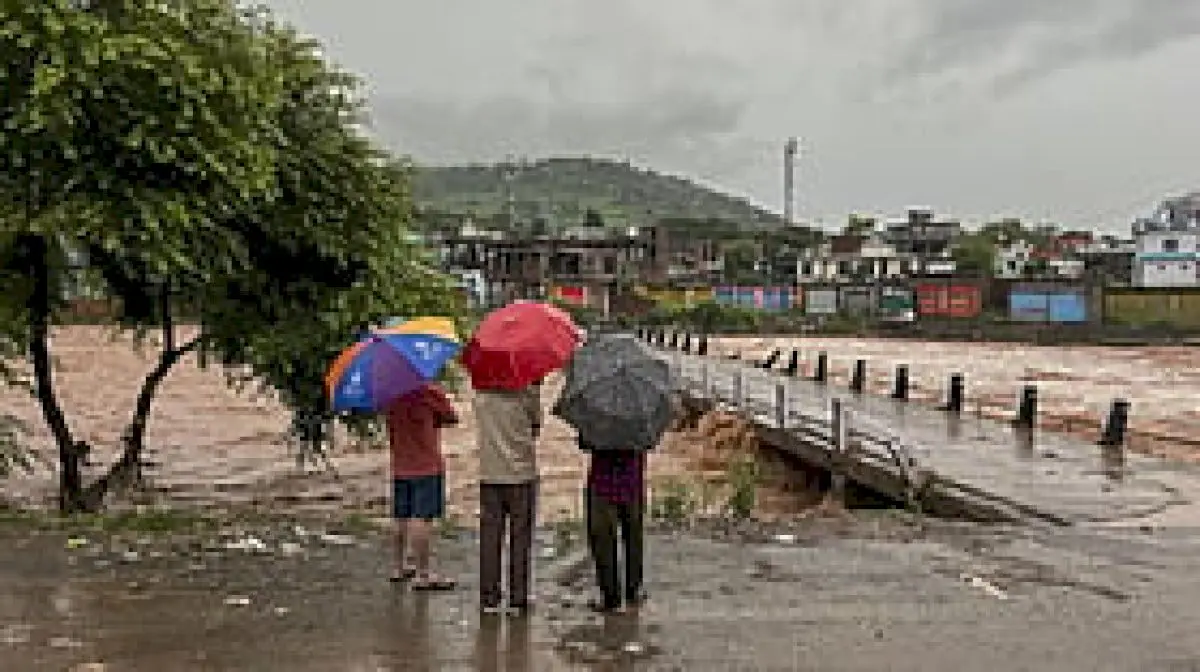
A travel through Kashmir's mountains reveals a widespread loss of trust in the weather among shepherds, Gujjar and Bakarwal families, orchardists and villagers. In Awoora village near Pahalgam, a cloudburst on July…
The Story in Brief
A travel through Kashmir's mountains reveals a widespread loss of trust in the weather among shepherds, Gujjar and Bakarwal families, orchardists and villagers. In Awoora village near Pahalgam, a cloudburst on July 15 destroyed homes, buried grazing land and killed livestock. Residents described a sudden wall of mud and water that forced them to flee. Along the Mughal Road, nomadic shepherds reported cloudbursts turning streams into torrents, scattering flocks and washing away grazing routes. In Sonamarg, migratory families said persistent rain and unseasonal snowfall left pastures waterlogged, forcing them to buy fodder in summer for the first time.
The Indian Opinion
The narrative that climate change is a distant, abstract problem collapses when a Gujjar family in Awoora counts its dead cattle. Yet official response remains focused on post-disaster relief, not pre-emptive warning systems. The ICIMOD has called for denser weather-monitoring networks and community-based early warnings. The real test is whether the Jammu and Kashmir administration will install automatic weather stations in these high-altitude catchments before the next cloudburst. How many more village elders must stop trusting the mountains before the government acts?
Source: deccanherald.com
This story was synthesised by AI from the source linked above.