






















Now Reading: UPI adoption spreads beyond India’s top cities, data shows
-
01
UPI adoption spreads beyond India’s top cities, data shows


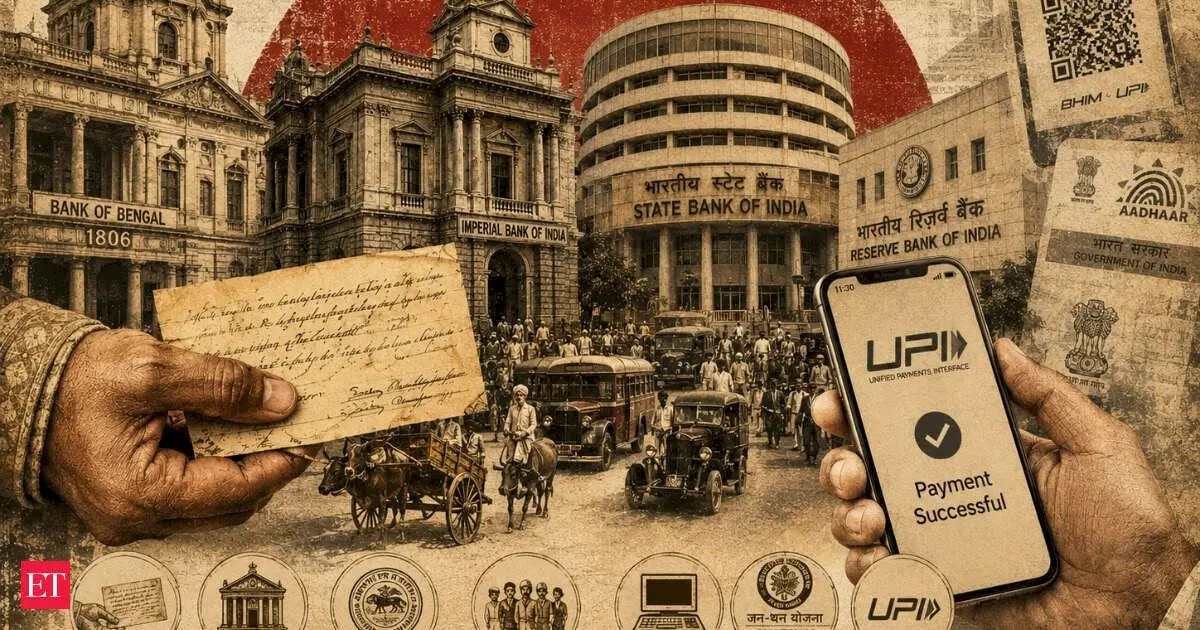
The Unified Payments Interface (UPI) has grown to process monthly transactions worth ₹314 lakh crore, equivalent to 70% of India's currency in circulation, according to data from the National Payments Corporation of…
The Unified Payments Interface (UPI) has grown to process monthly transactions worth ₹314 lakh crore, equivalent to 70% of India's currency in circulation, according to data from the National Payments Corporation of India and the Reserve Bank of India. Livemint reports that the share of the top 10 districts in overall UPI transaction volume has fallen from 25.2% in July-September 2019 to 17.4% in April-June 2026, indicating wider geographic adoption. Bengaluru Urban remains the largest district by transaction value at ₹2.23 lakh crore, more than double that of second-ranked Pune.
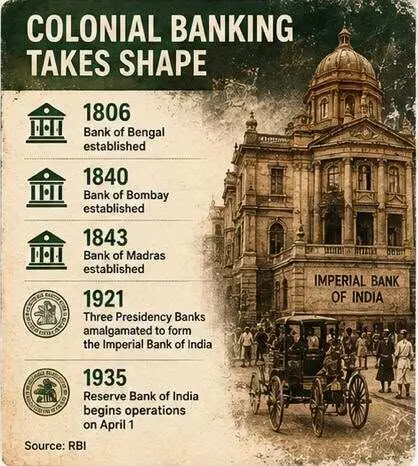
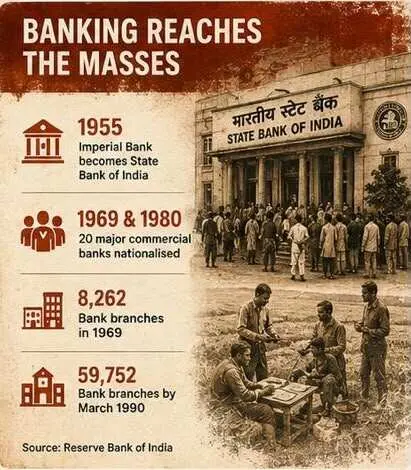
Economictimes.indiatimes.com traces UPI's success to a centuries-old Indian tradition of moving value without physical cash, from hundis, credit instruments used since the 12th century, to colonial-era banks and post-independence nationalisation. The site notes that the Reserve Bank of India was established in 1935 and nationalised in 1949, followed by the nationalisation of 14 major commercial banks in 1969, which expanded branches from 8,262 to 59,752 by 1990. A 2025 RBI study cited by Livemint found that higher incomes and education levels drive UPI adoption, with formalisation of the workforce reducing cash usage in mid-income states.
The RBI study also found that ATM cash withdrawals as a share of GDP have steadily fallen. The share of the top 10 districts in UPI transaction value has declined from a peak of 32.5% in July-September 2019 to 19.8% in April-June 2026, according to PhonePe data, though Livemint cautions that this may not be nationally representative. The NPCI is seeking to expand UPI beyond the 10 countries where it currently operates.
Sources (2): economictimes.indiatimes.com, livemint.com
This story was synthesised by AI from the 2 sources linked above.
Updated: this story now draws on 2 sources.