











Now Reading: French tourist’s video shows India’s UPI culture shock
-
01
French tourist’s video shows India’s UPI culture shock


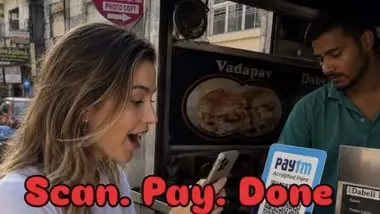
A French tourist named Manika has posted a viral Instagram video expressing astonishment at India's UPI digital payments system, describing how even a Rs 20 cup of chai can be paid by scanning a QR code. The content creator, who helps French travellers discover India, said she knew about UPI but was stunned to find QR codes at street-food stalls, chai shops, rickshaws and tiny roadside vendors, not just in big cities or fancy restaurants.
Launched in August 2016 by the National Payments Corporation of India, UPI has seen annual transaction volumes surge from 1.78 crore in FY 2016-17 to 24,162 crore in FY 2025-26. Manika noted the "scan, pay, done" culture worked seamlessly for micro-transactions across all levels of the economy, from a quick snack to a short rickshaw ride.
Indian Opinion Analysis
UPI's success is a case study in how public digital infrastructure can leapfrog traditional banking. Launched in 2016 by the National Payments Corporation of India under RBI oversight, it bypassed the need for card terminals that excluded small vendors. The network effect matters: each new user makes the system more valuable. Now the challenge shifts to interoperability and fraud prevention. The RBI's next move on UPI transaction charges, expected in its August policy review, will test whether the economics can keep pace with the adoption.
Source: livemint.com
This brief was synthesised by AI from the source linked above. Methodology and corrections.