










Now Reading: NEET leak protests expose media trust shift, deep economic anger
-
01
NEET leak protests expose media trust shift, deep economic anger


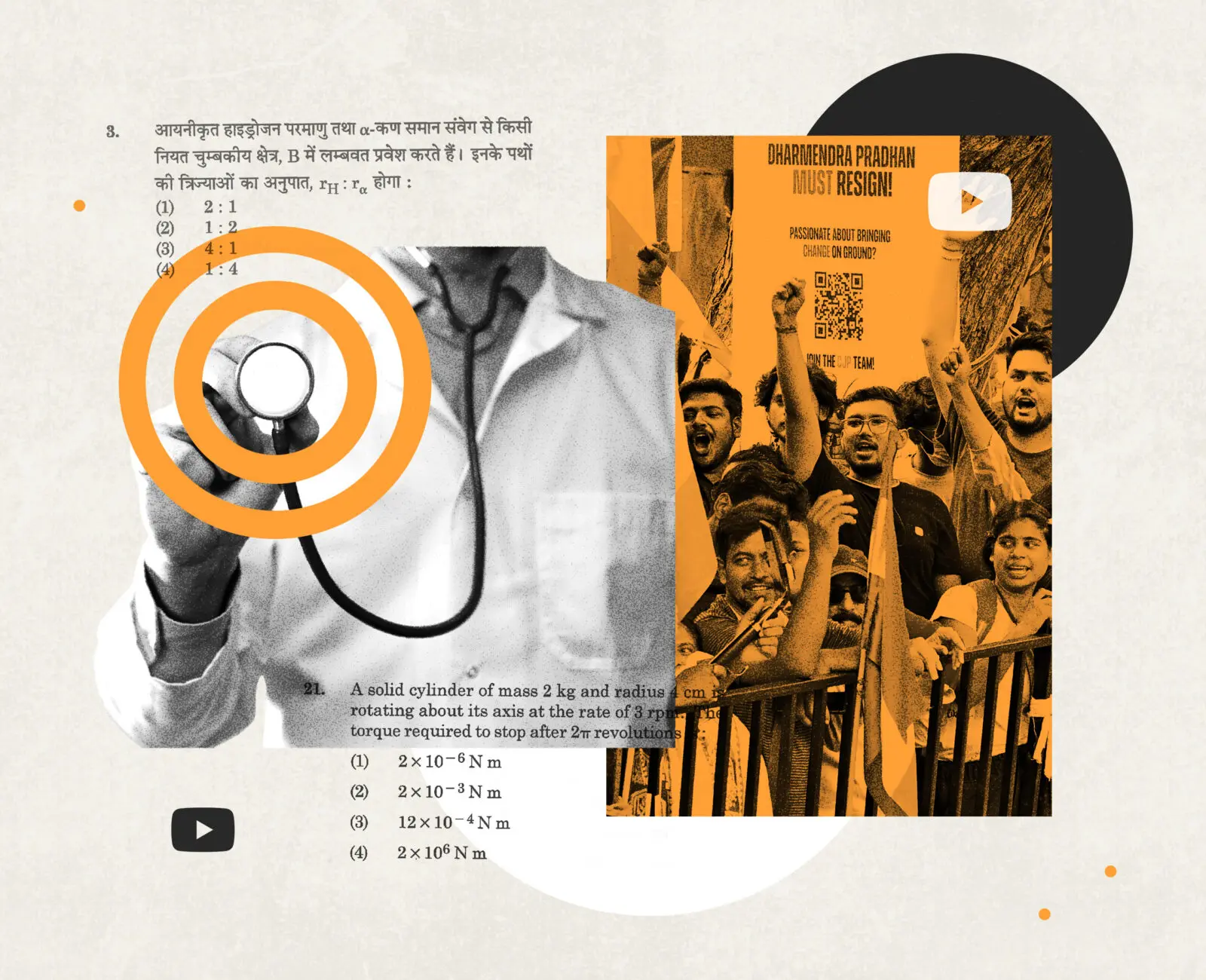
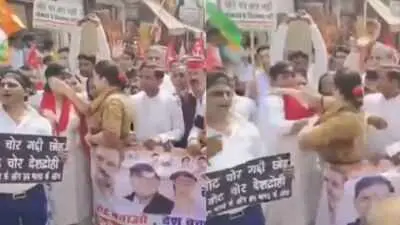
The summer protests over leaked national medical exam (NEET) papers have reshaped India's media landscape as millions of young Indians bypass traditional news outlets for independent YouTubers and citizen journalists. Two million students were ordered to retake the exam after questions leaked on WhatsApp and Telegram in May, sparking weeks of demonstrations in Delhi that culminated in a July 20 police crackdown using batons and tear gas.
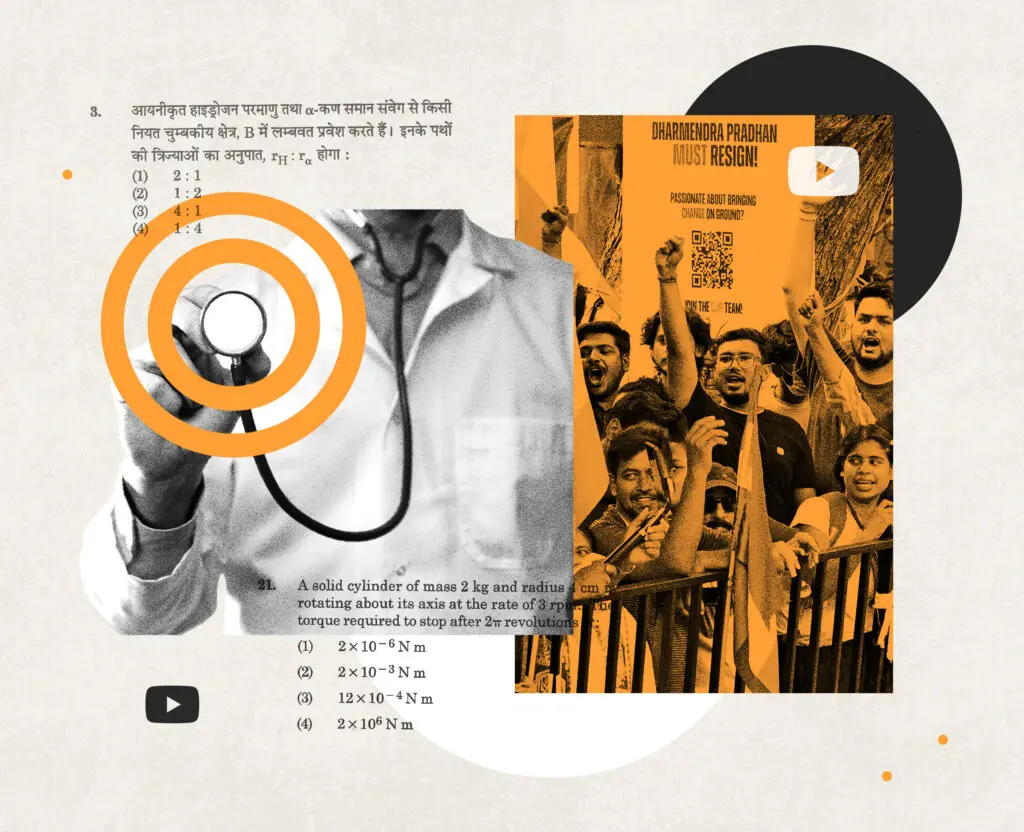
CJR reports that mainstream 'godimedia' outlets initially ignored the protests, then labelled them anarchic or foreign-linked, while independent journalists like Kavya Karnatac drew nearly 20 million viewers in a single week and NewsPinch surpassed Aaj Tak with over 43 million views. Frontline analyses the protesters as a non-political mass of exam-sitters and jobless graduates who experienced a 'moral shock' realising their private grievances stemmed from a structurally captured system, turning quiet non-compliance into open democratic claim-making at Jantar Mantar.
Reuters Institute data shows 58 per cent of Indians now depend on YouTube for news versus 44 per cent on legacy TV, and trust in news creators exceeds distrust by 41 percentage points. The protests continue to simmer as affected students await government action on exam reforms.
Indian Opinion Analysis
CJR foregrounds the independent journalists who broke the story, framing mainstream media as a government-aligned 'lapdog' that can be bypassed. Frontline ignores the media-coverage angle entirely, focusing instead on the protesters' internal political awakening and their structural grievance against a 'dictatorial mindset' and a captured state. Where CJR emphasises tech-driven disintermediation of legacy news, Frontline reads a philosophical shift toward democratic claim-making. The balanced reading is that both accounts document a genuine movement, but the coverage itself reflects the same fragmentation CJR describes: your chosen platform determines which part of the story you see. The evolution of these protests into a sustained electoral or policy force will be tested in the next state elections.
Coverage: 2 sources, 2 government-critical
Sources (2): cjr.org (government critical), frontline.thehindu.com (government critical)
This brief was synthesised by AI from the 2 sources linked above, so one read covers every framing they carry. Methodology and corrections.
Updated: this story now draws on 2 sources.