Now Reading: Cockroach Janta Party rallies millions after NEET leak
-
01
Cockroach Janta Party rallies millions after NEET leak



The Cockroach Janta Party, born from a dismissive remark about student protesters, has amassed 22 million Instagram followers in two weeks, more than the BJP, Free Press Journal reports. The movement began…
The Story in Brief
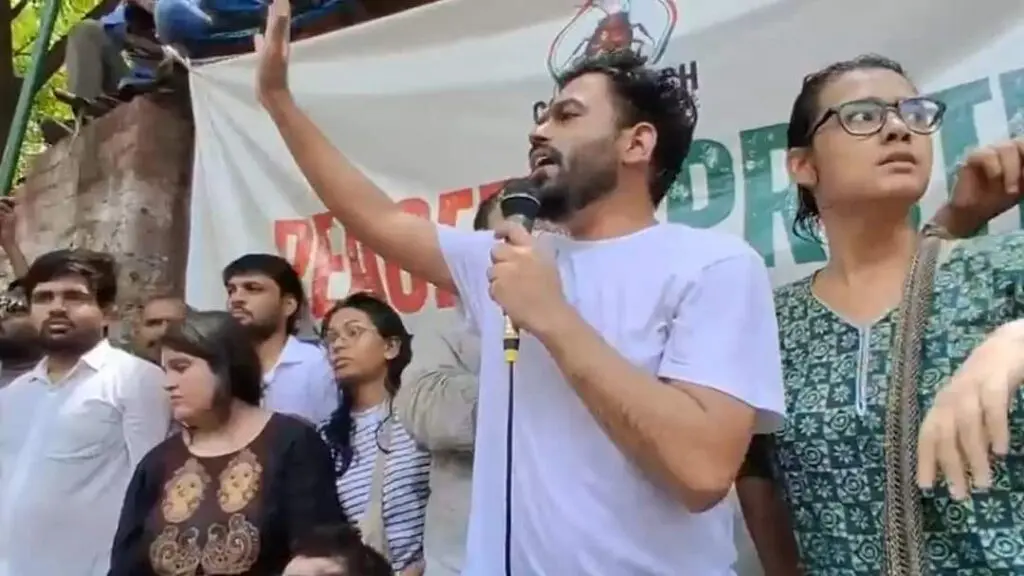
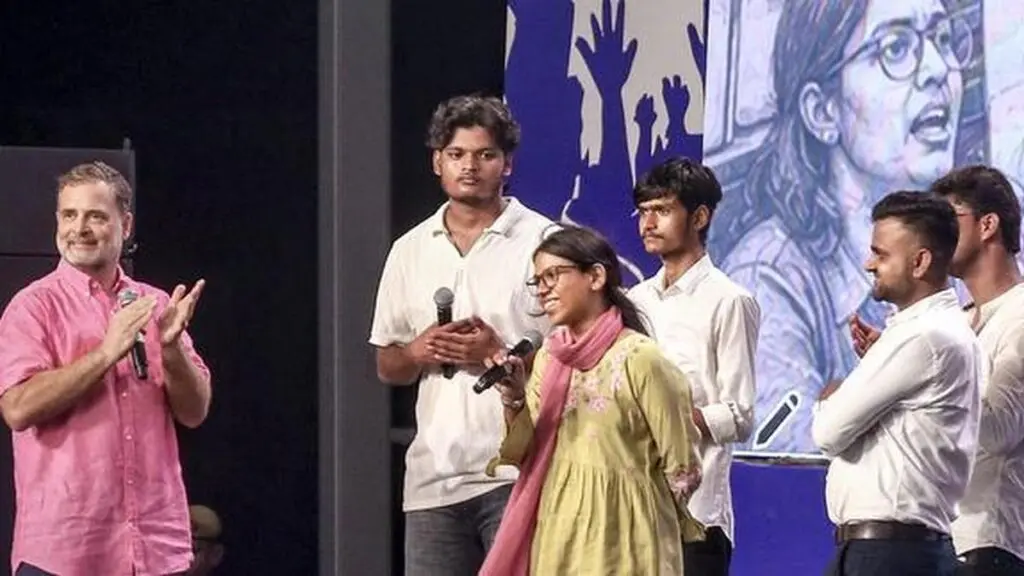
The Cockroach Janta Party, born from a dismissive remark about student protesters, has amassed 22 million Instagram followers in two weeks, more than the BJP, Free Press Journal reports. The movement began after the NEET-UG paper leak in late May 2026, with students demanding the education minister’s resignation. Protests at Jantar Mantar drew tear gas and baton charges from police.
The Hindu analysis points to algorithmic bias, quoting research on the 'majority illusion' that makes a fringe view seem universal. Social media feeds, trained on past user behaviour, show each side a different version of the same event. The protesters see injustice; the government sees disorder. Neither is wrong, but neither sees the full picture.
The Indian Opinion
The government calls protesters 'cockroaches' and 'anti-national' while the students call for accountability. Both sides are talking past each other, amplified by algorithms that serve each camp a different reality. The real test is not who has more Instagram followers, but whether the NTA will be overhauled and the paper leak investigated independently. Until then, the noise will only get louder.
Sources (2): thehindu.com, freepressjournal.in
This story was synthesised by AI from the 2 sources linked above.
Updated: this story now draws on 2 sources.