














Now Reading: UPI reform debate: fee on merchant payments opposed by expert
-
01
UPI reform debate: fee on merchant payments opposed by expert


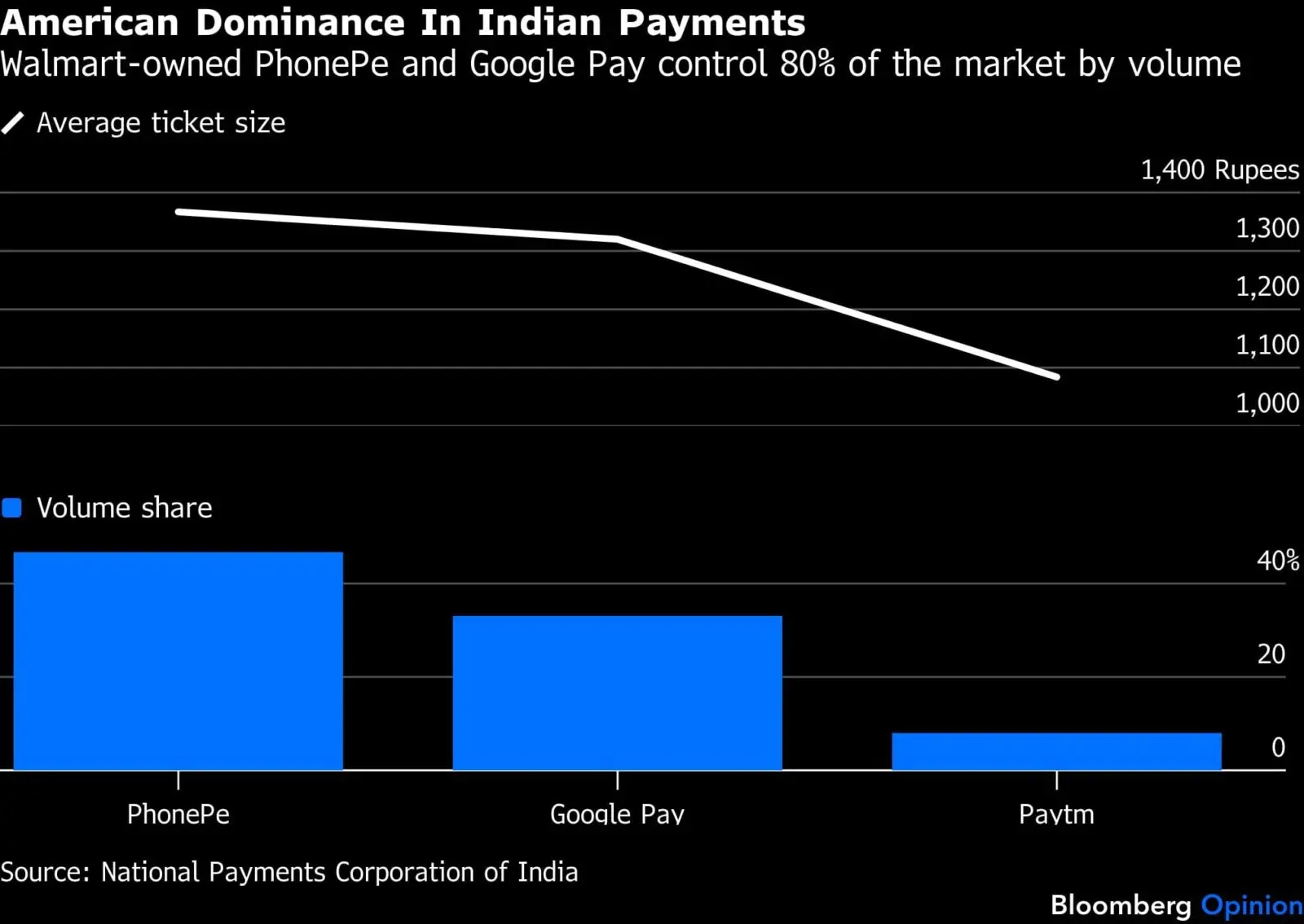
ThePrint reports that India's UPI needs reform but warns against US pressure. The US Trade Representative's 2026 report says American firms cannot compete fairly in UPI. PhonePe and Google Pay control 80% of transactions. The Modi government has secured parliament's approval to change the law, potentially allowing a merchant discount rate of 0.3% to 0.5% on transactions above Rs 2,000. ThePrint argues that large commercial platforms should pay a fee, while peer-to-peer and small shop transactions should remain free.
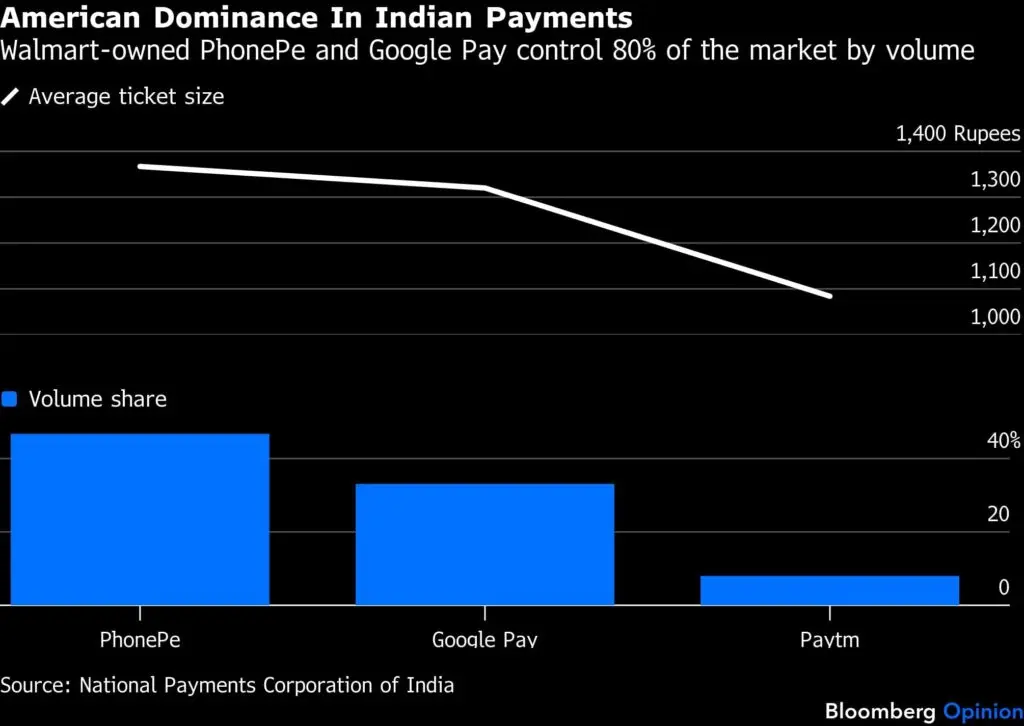
BusinessToday reports that Parliament removed a 2020 ban on charging shops for UPI payments, but no fee has been imposed. The average UPI payment to a shop in July 2026 was Rs 606. A Rs 2,000 threshold would protect most small merchants. Two American apps, PhonePe and Google Pay, handle nearly 80% of UPI traffic. BusinessToday also quotes an expert, Sharma, who argues that MDR does not fit UPI economics and could push merchants and consumers back to cash, costing the retail economy around Rs 27,000 crore annually. Sharma suggests funding UPI from savings generated by reduced cash use.
Indian Opinion Analysis
ThePrint frames the fee debate as a necessary reform threatened by US political pressure, while BusinessToday's coverage is more neutral, explaining the numbers and quoting an expert who opposes the fee. ThePrint emphasises the sustainability of UPI and the need for large platforms to pay, downplaying consumer impact. The expert cited by BusinessToday warns that even a small fee could reverse digital payment adoption. The measured middle ground: no fee has been set, the government has promised not to burden consumers or small merchants, and international examples show fees can be implemented without killing growth, as in Brazil. Watch for the final NPCI notification on fee structure.
BusinessToday's second article (SOURCE-3) presents a clear government-critical stance by foregrounding an expert warning that MDR could push users back to cash, while ThePrint (SOURCE-1) leans toward the government's position that reform is needed. The expert's estimate of Rs 27,000 crore annual cost is a concrete number to watch as the government finalises its policy.
Coverage: 3 sources, 1 pro-government, 1 government-critical, 1 neutral
Sources (3): theprint.in (pro government), businesstoday.in (neutral report), businesstoday.in (2) (government critical)
This story was synthesised by AI from the 3 sources linked above. Methodology and corrections.
Updated: this story now draws on 3 sources.