











Now Reading: Centre denies foreign influence on UPI charges, rejects rethink
-
01
Centre denies foreign influence on UPI charges, rejects rethink


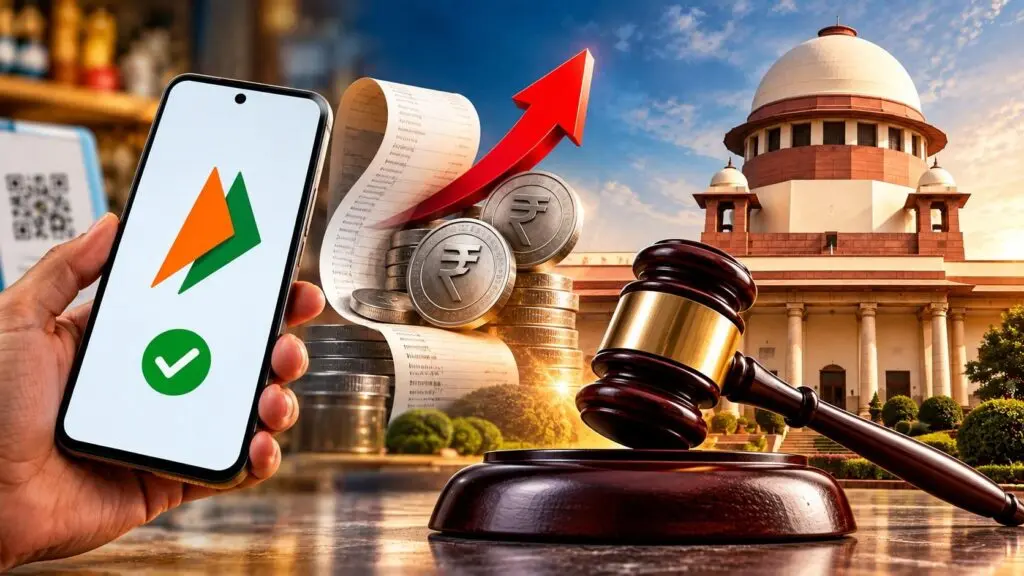
The finance ministry has denied opposition claims that foreign pressure led to the decision to impose a 0.4 per cent Merchant Discount Rate on UPI transactions above Rs 2,000 from October 15.…
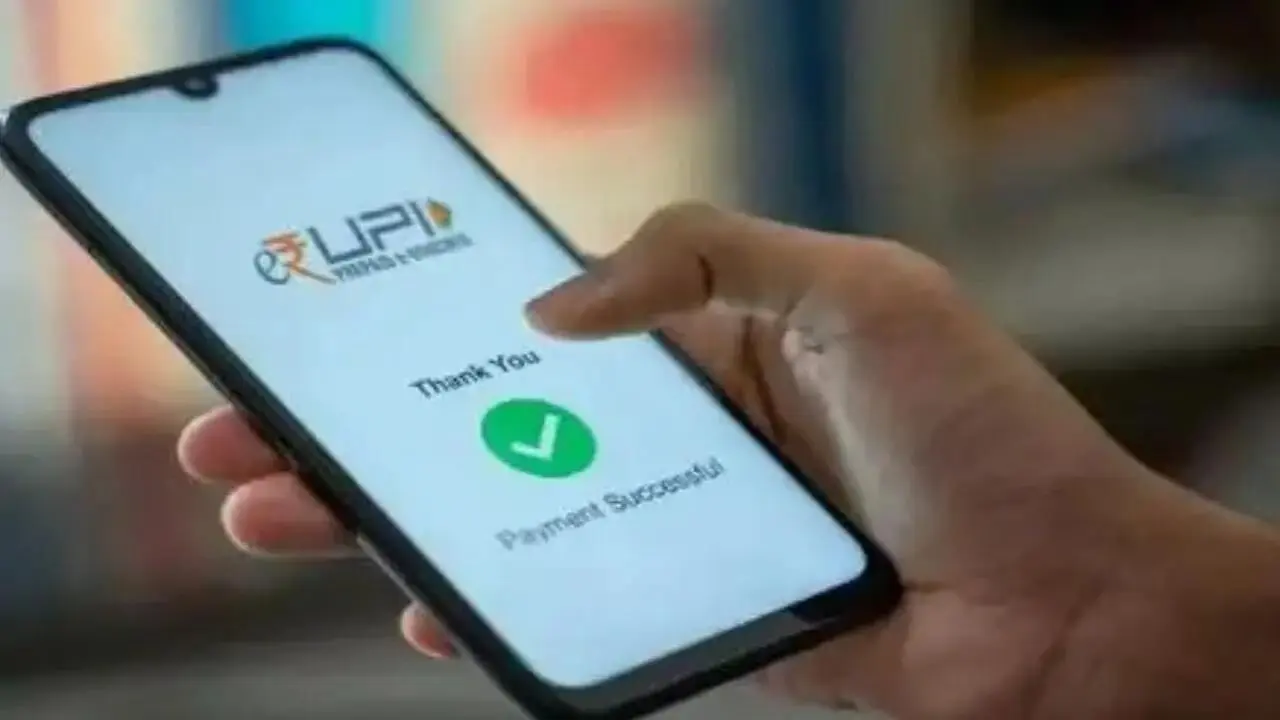
The finance ministry has denied opposition claims that foreign pressure led to the decision to impose a 0.4 per cent Merchant Discount Rate on UPI transactions above Rs 2,000 from October 15. The ministry said the fee, paid by merchants and not consumers, will fund infrastructure, cybersecurity, and support for small businesses.
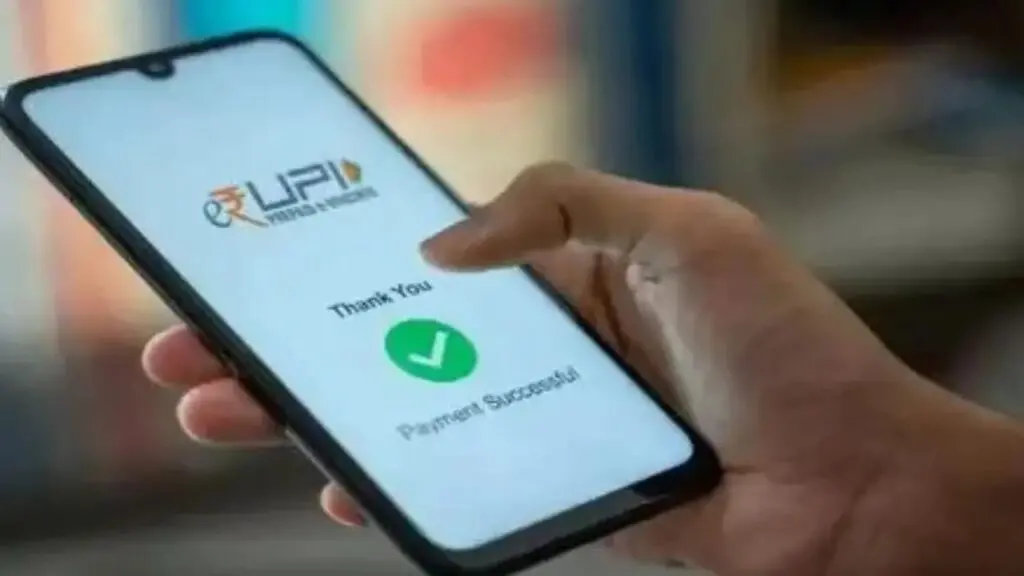
Opposition parties including the Congress had accused the government of succumbing to US pressure. The ministry called the claims false and said India's UPI policy decisions are made independently. Small merchants collecting up to Rs 1 lakh a month via UPI QR codes remain exempt, a carve-out that officials say covers about 96 per cent of all merchant transactions.
Government sources said there is no question of a rethink on the decision. The MDR is neither a tax nor a charge collected by the government or NPCI, the ministry clarified, and will be distributed among banks and payment app providers. Payments between individuals and most everyday merchant payments will remain free.
Indian Opinion Analysis
The three outlets uniformly reported the finance ministry's denial of foreign influence on UPI charges, attributing the claim to opposition parties without editorial comment. NDTV's brief report omitted the exemption for small merchants and the detailed fee structure, while Times Now and The Federal included those specifics. The Federal added data on UPI's growth and the dedicated fund for small merchants. No outlet presented the opposition's evidence or counter-argument. The coverage reads as straight government response reporting with no independent verification or critical framing.
Coverage: 3 sources, 3 neutral
Sources (3): ndtv.com (neutral report), timesnownews.com (neutral report), thefederal.com (neutral report)
This brief was synthesised by AI from the 3 sources linked above, so one read covers every framing they carry.
Updated: this story now draws on 3 sources.