




















Now Reading: India’s wealthy shift philanthropy from faith to science
-
01
India’s wealthy shift philanthropy from faith to science


A growing number of India's wealthy business leaders are committing significant funds to pure sciences and research institutions, marking a shift from the traditional dominance of religious giving. Recent examples include real estate tycoon Abhishek Lodha pledging $100 million over 8-10 years to launch the Lodha Theoretical Physics Institute in Mumbai, with Indian-American physicist Jainendra Jain as founding director. Weeks earlier, Rajiv Bajaj launched India's largest scholarship programme for women in core engineering, offering up to Rs 8 lakh each.

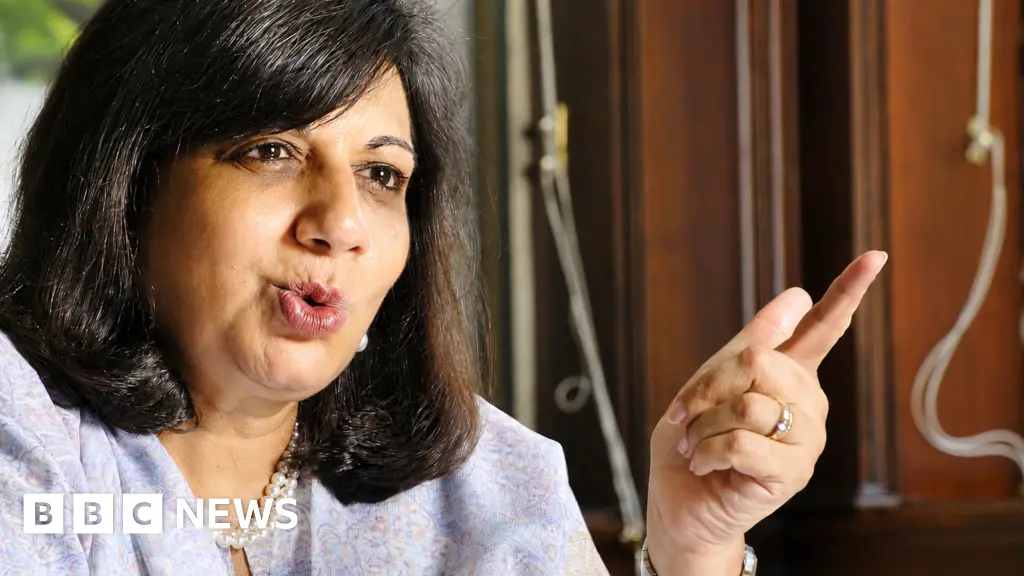
Other major donors include Infosys co-founder Kris Gopalakrishnan funding brain research, and pharma billionaire Kiran Mazumdar-Shaw establishing a frontier biology lab in 2022. The trend is driven by first-time wealth creators and a new generation of philanthropists who are more tech-oriented and outcomes-focused. Experts say these contributions reflect a recognition that science is essential for national competitiveness, though India's R&D spending remains low at 0.6-0.7% of GDP, with private sector contribution at only 36%.
Indian Opinion Analysis
The shift mirrors the early 20th-century model of the Tatas, who built institutions like TIFR and IISc through philanthropy. Yet, for decades after, the government remained the dominant funder of basic research. The new wave comes as India lags in R&D spending compared to China and the US, and as private-sector innovation in AI and robotics falls short. The key question is whether these grants will build sustainable research ecosystems or remain one-off donations. The next signal to watch is the Lodha institute's first cohort of researchers and any follow-on funding from other business groups.
Source: bbc.com
This story was synthesised by AI from the source linked above. Methodology and corrections.