
















Now Reading: Indore school moves Supreme Court for curbs on children’s social media use
-
01
Indore school moves Supreme Court for curbs on children’s social media use

Indore school moves Supreme Court for curbs on children’s social media use

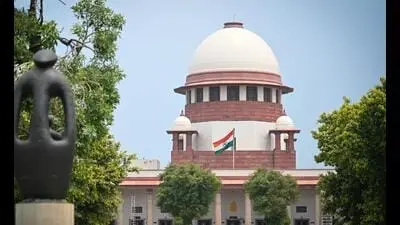
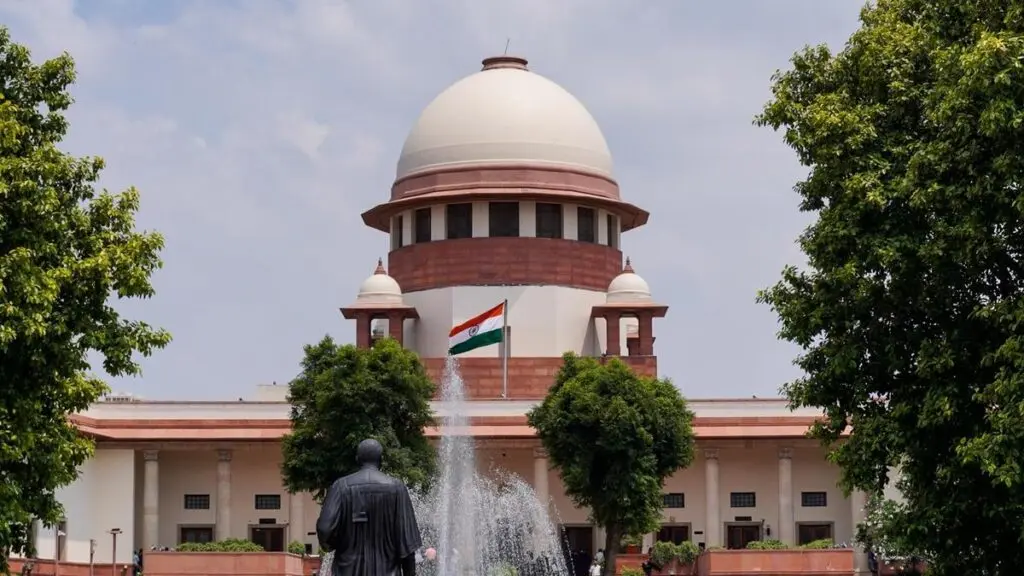
Emerald Heights International School and its director Siddharth Singh have filed a petition in the Supreme Court seeking a comprehensive regulatory framework to protect children on social media. The plea argues that protecting minors from online harms is a constitutional duty of the state and cannot be left to parental supervision or voluntary measures by tech companies.
The petition flags harms including depression, anxiety, body-image pressures, cyberbullying, grooming, sexual exploitation, exposure to violent and self-harm content, and platform designs that encourage compulsive use. It invokes Articles 14, 15(3), 21, 21A, 39(e), 39(f) and the United Nations Convention on the Rights of the Child.
The respondents include the Union government and ministries of electronics and information technology, women and child development, and law and justice, along with the National Commission for Protection of Child Rights. The petition alternatively seeks age-based prohibition or restrictions on children's social media accounts. The Supreme Court is yet to assign a hearing date. The plea follows the court's September 10 observation that 'some firewall is necessary for protecting our children.'
Indian Opinion Analysis
Barandbench and Hindustan Times both report the school's petition neutrally, leading with the same core demand for a regulatory framework and the same list of harms. Hindustan Times adds a concrete procedural detail the other omits: the Supreme Court struck a similar tone on September 10, 2026, when it told the Centre that 'some firewall is necessary' for children. That single sentence gives the petition a judicial hearing context that Barandbench's tighter submission-oriented account lacks. Neither source criticises or endorses the petition, the difference is purely that Hindustan Times supplies a past court observation, making the plea look less novel and more like a follow-up. The balanced reading is that the petition joins an existing docket, and the court's September remark creates a realistic opening for some action. The next step is the Supreme Court assigning a hearing date, which neither source names.
Coverage: 2 sources, 2 neutral
Sources (2): barandbench.com (neutral report), hindustantimes.com (neutral report)
This brief was synthesised by AI from the 2 sources linked above, so one read covers every framing they carry. Methodology and corrections.