




Now Reading: Supreme Court pushes Centre on legal curbs for minors on social media
-
01
Supreme Court pushes Centre on legal curbs for minors on social media


The Story in Brief
The Supreme Court has directed the Centre to examine whether social media platforms can be legally required to prevent minors under 18 from creating accounts without parental consent. A bench led by Chief Justice Surya Kant on 10 September heard a petition by NGO Just Rights for Children Alliance, which argues that contracts entered into by minors are void under existing Indian law. Solicitor General Tushar Mehta told the court the government would examine the issue and take appropriate steps.
Justice Joymalya Bagchi said the requirement must have statutory force and asked the Centre to consider using the Intermediary Rules to force platforms to modify their software to conform with Indian law. He noted that platforms currently apply US restrictions in India, which he said is impermissible. The petition does not seek to ban children from the internet but wants age verification, parental consent, and other safeguards. The government has not implemented any nationwide ban yet and is expected to report back to the court after examining the matter.
Update, 30 September 2026: Times Now and Times of India now confirm that the Supreme Court’s hearing took place on 10 September and that Solicitor General Tushar Mehta said on 5 October the government would act. Times Now adds that Justice Bagchi told the Solicitor General to examine using intermediary rules to force platforms to modify software for Indian law. Times of India reports that age checks, parental consent, privacy and existing accounts remain unresolved.
Indian Opinion Analysis
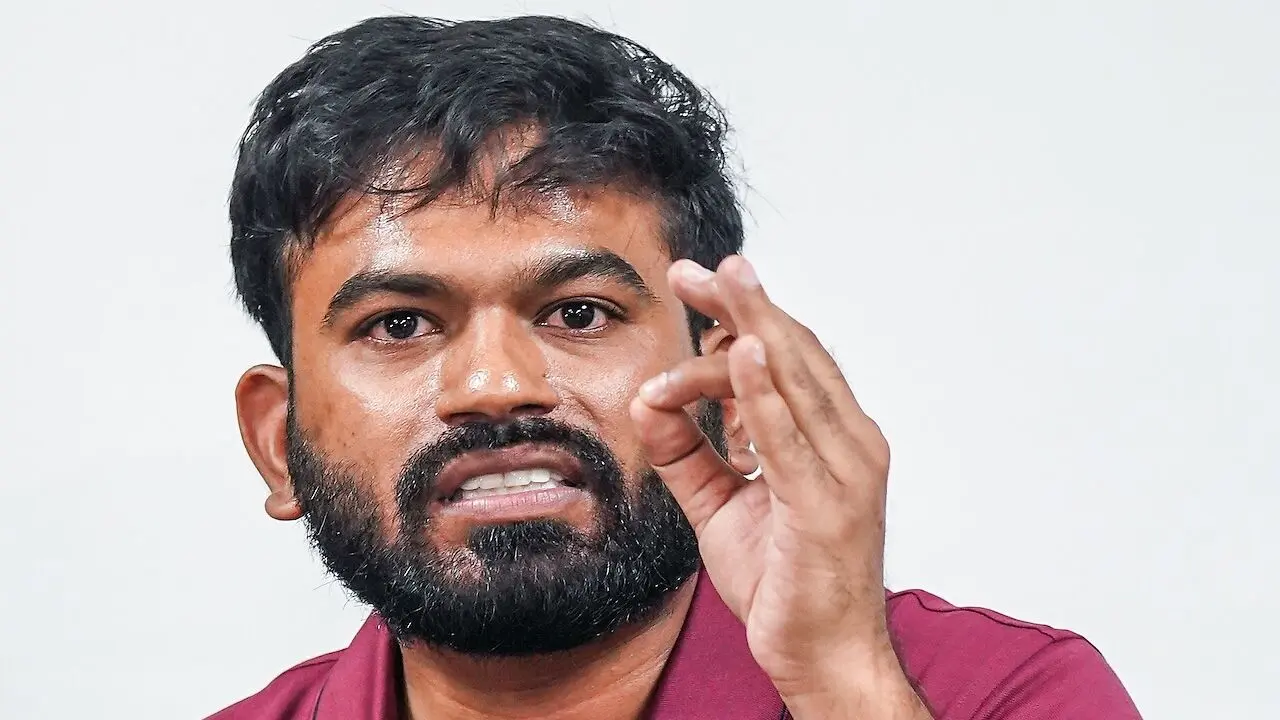
The new coverage is entirely straight wire copy. Every source repeats the same core: the Supreme Court’s request, Solicitor General Tushar Mehta’s assurance, and Justice Joymalya Bagchi’s call for statutory force over guidelines. Business Today and Times of India add that Justice Bagchi said platforms import US restrictions into India, which he called impermissible. The only divergence is m9.news’s framing: it leads with Abhijeet Dipke’s opposition, labels critics as ‘cockroaches’, and implies a political motive behind the rules. This sensationalist lead shifts the story from a regulatory process to a culture-war clash. No source reports any government proposal or timeline. The uniform reporting from the other outlets leaves the facts undisputed, while m9.news’s treatment inflates a single dissenting voice into the headline. The next concrete step remains the government’s own return to court after it examines the issue.
Coverage: 6 sources, 5 neutral, 1 sensationalist
Sources (6): m9.news (sensationalist), timesnownews.com (neutral report), timesnownews.com (2) (neutral report), businesstoday.in (neutral report), timesnownews.com (3) (neutral report), timesofindia.indiatimes.com (neutral report)
This brief was synthesised by AI from the 6 sources linked above, so one read covers every framing they carry. Methodology and corrections.