














Now Reading: Pezeshkian Says Iran Withstood War and Efforts to Cause Unrest
-
01
Pezeshkian Says Iran Withstood War and Efforts to Cause Unrest



Iranian President Masoud Pezeshkian said ordinary citizens barely felt the West Asia conflict despite attacks on key infrastructure, including power facilities. In a televised address, he credited coordination between government agencies, provincial…
The Story in Brief
Iranian President Masoud Pezeshkian said ordinary citizens barely felt the West Asia conflict despite attacks on key infrastructure, including power facilities. In a televised address, he credited coordination between government agencies, provincial administrations and ministers for keeping daily life normal. He also said improved ties with neighbouring countries helped prevent unrest along Iran’s borders.
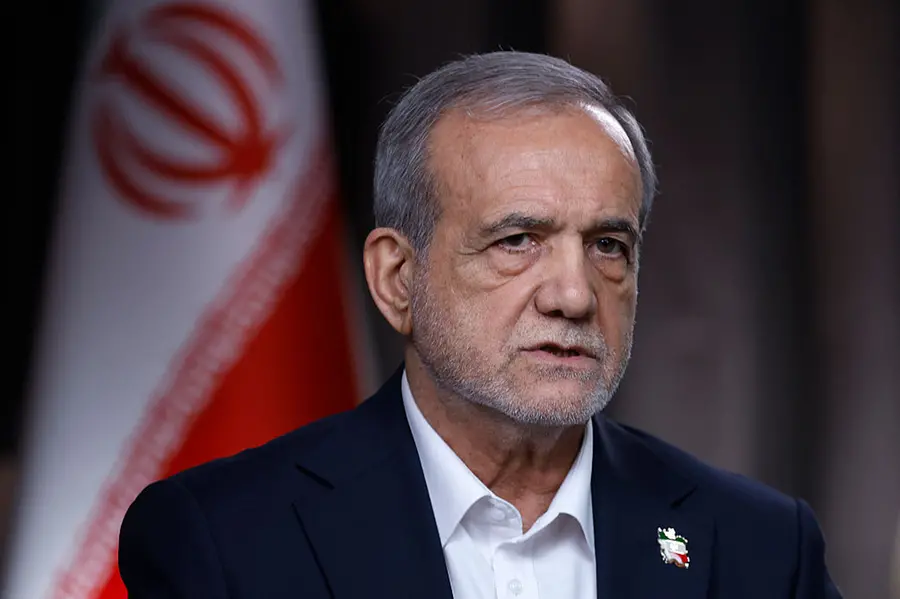
NDTV reports that Pezeshkian accused foreign adversaries of trying to make Iran resemble Syria, but said national unity prevented this. Mathrubhumi reports he alleged that adversaries sought unrest in north-western and south-eastern regions, while neighbouring countries helped block it. Neither account provides independent evidence for these claims. Iran’s Foreign Ministry also said an agreement with Oman on the Strait of Hormuz was in its final drafting stage.
The Indian Opinion
Patriotic claims that Iran’s unity defeated a foreign plot, and the opposite claim that infrastructure attacks must have crippled daily life, both go beyond the available evidence. Pezeshkian’s account is political and lacks independent verification, while the reported attacks cannot be dismissed. The useful test is whether future power and public-service data show disruption, rather than relying on presidential assurances or wartime narratives.
Sources (2): ndtv.com, english.mathrubhumi.com
This story was synthesised by AI from the 2 sources linked above.
Updated: this story now draws on 2 sources.