




Now Reading: Iran MP dismisses Saudi-Turkey-Pakistan defence pact as paper agreement
-
01
Iran MP dismisses Saudi-Turkey-Pakistan defence pact as paper agreement

Iran MP dismisses Saudi-Turkey-Pakistan defence pact as paper agreement

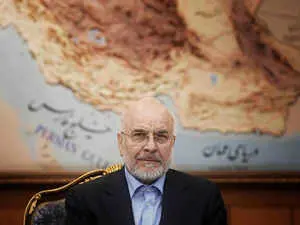
An Iranian lawmaker has dismissed the new Saudi Arabia-Turkey-Pakistan defence pact as a "paper agreement" that will not bring security to Riyadh. Ebrahim Rezaei, a member of Iran's Parliament's National Security and…
The Story in Brief
An Iranian lawmaker has dismissed the new Saudi Arabia-Turkey-Pakistan defence pact as a "paper agreement" that will not bring security to Riyadh. Ebrahim Rezaei, a member of Iran's Parliament's National Security and Foreign Policy Commission, wrote on X that Saudis must know such a pact will not bring security, just as years of one-sided reliance on Americans did not.
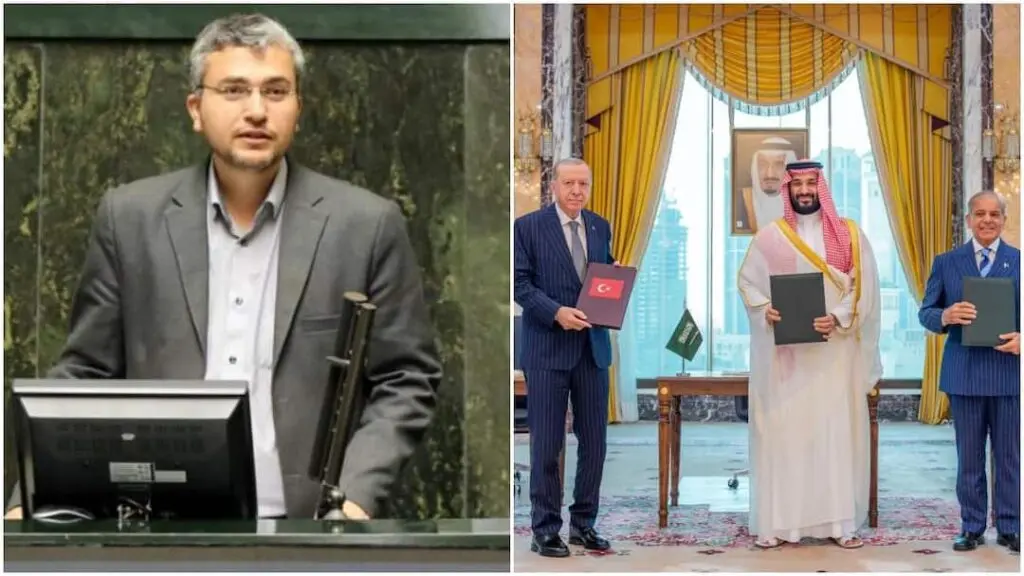
The Mecca Joint Defence Agreement, signed by Crown Prince Mohammed bin Salman, President Recep Tayyip Erdogan and Prime Minister Shehbaz Sharif on August 7, 2026, commits the three states to treat an armed attack on any one as an attack on all. Officials insist it is defensive and not aimed at any country. India said it is closely following the development. The pact follows a Saudi-Pakistan mutual defence agreement signed in September 2025.
The Indian Opinion
The Iranian taunt carries a kernel of truth: paper pacts do not deter drones or missiles, and neither Pakistan nor Turkey has intervened militarily for Saudi Arabia since the September 2025 agreement. But Tehran's lecture ignores its own record of attacking Gulf states, which is precisely why Riyadh is diversifying partners. Both sides are posturing. Watch whether the pact produces actual joint exercises or intelligence sharing within six months. If it stays on paper, the Iranian criticism wins by default.
Sources (7): ndtv.com, ndtvprofit.com, hindustantimes.com, thehindu.com, news.abplive.com, timesnownews.com, ndtv.com (2)
This story was synthesised by AI from the 7 sources linked above.
Updated: this story now draws on 7 sources.