








Now Reading: US and Iran trade demands as Strait of Hormuz remains blocked
-
01
US and Iran trade demands as Strait of Hormuz remains blocked


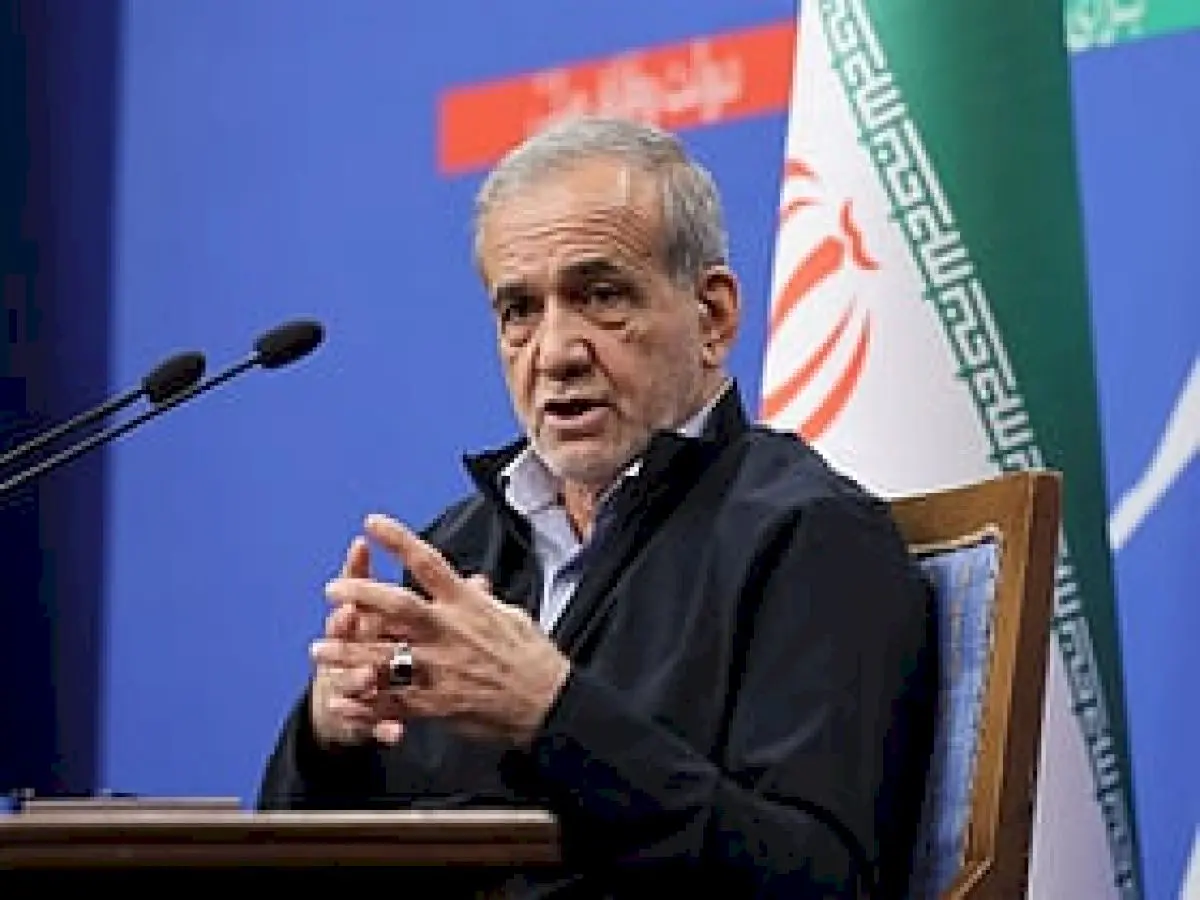
US President Donald Trump has demanded compensation from Iran for deaths and injuries linked to the conflict, complicating efforts to reopen the Strait of Hormuz. Iranian Foreign Ministry spokesperson Esmaeil Baghaei reiterated…
The Story in Brief
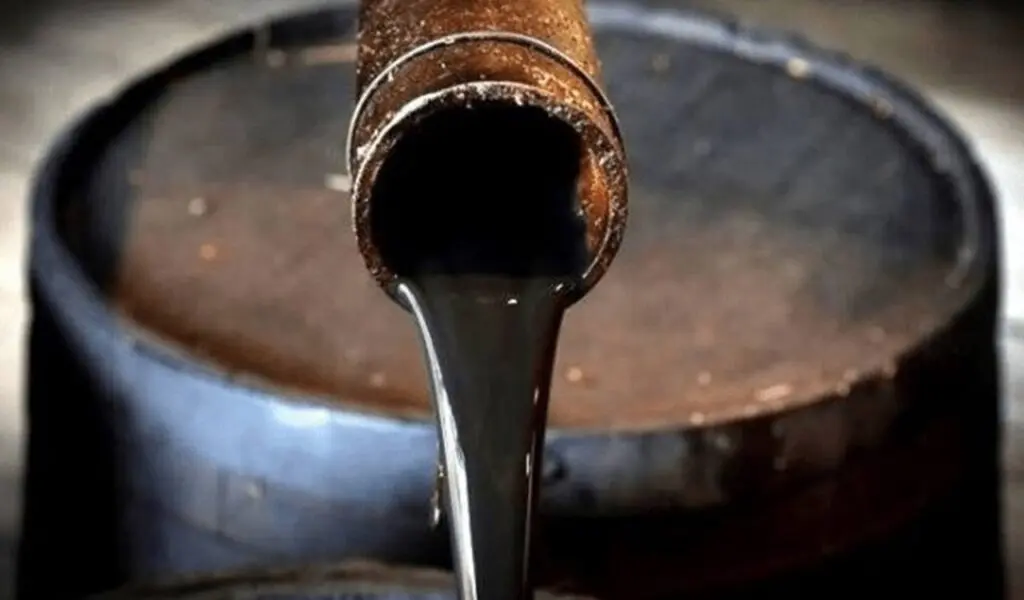
US President Donald Trump has demanded compensation from Iran for deaths and injuries linked to the conflict, complicating efforts to reopen the Strait of Hormuz. Iranian Foreign Ministry spokesperson Esmaeil Baghaei reiterated Tehran's conditions: the US must lift sanctions, end military threats, and pay compensation. Baghaei said talks with Oman on a temporary shipping corridor were progressing but technical issues remained. The US opposes any Iranian fees for using the strait. Trump also linked compensation to the 2000 USS Cole attack, which was blamed on al Qaeda. Oil prices jumped 5%, with Brent crude closing at $87.72 a barrel, as hopes of an imminent deal faded.

The Indian Opinion
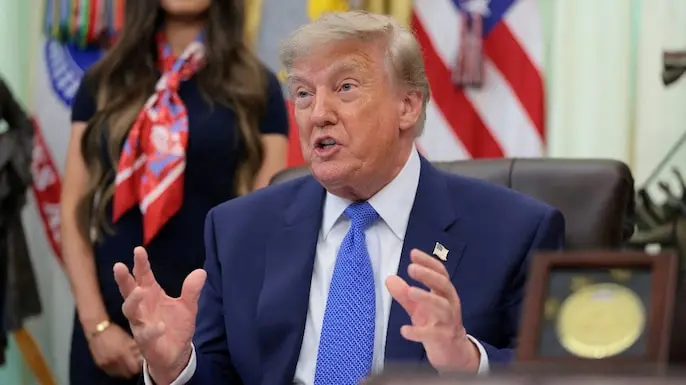
Both Washington and Tehran are playing to domestic audiences with maximalist demands that risk prolonging the standoff. Trump's linking of Iraqi war reparations and the 2000 USS Cole attack, an al Qaeda operation, to reopening Hormuz looks designed for his midterm base. Iran's insistence on compensation and a ban on military threats sounds reasonable but ignores its own role in shutting the strait. The real question is whether pragmatists on either side can set aside these rhetorical hurdles and cut a deal, because global oil markets cannot afford another month of this brinkmanship. Watch for any sign of direct talks, without Omani go-betweens, as the only credible indicator of progress.
Sources (2): newindianexpress.com, indiatoday.in
This story was synthesised by AI from the 2 sources linked above.
Updated: this story now draws on 2 sources.