





















Now Reading: ISRO tests Gaganyaan crew module parachute, uprighting systems
-
01
ISRO tests Gaganyaan crew module parachute, uprighting systems



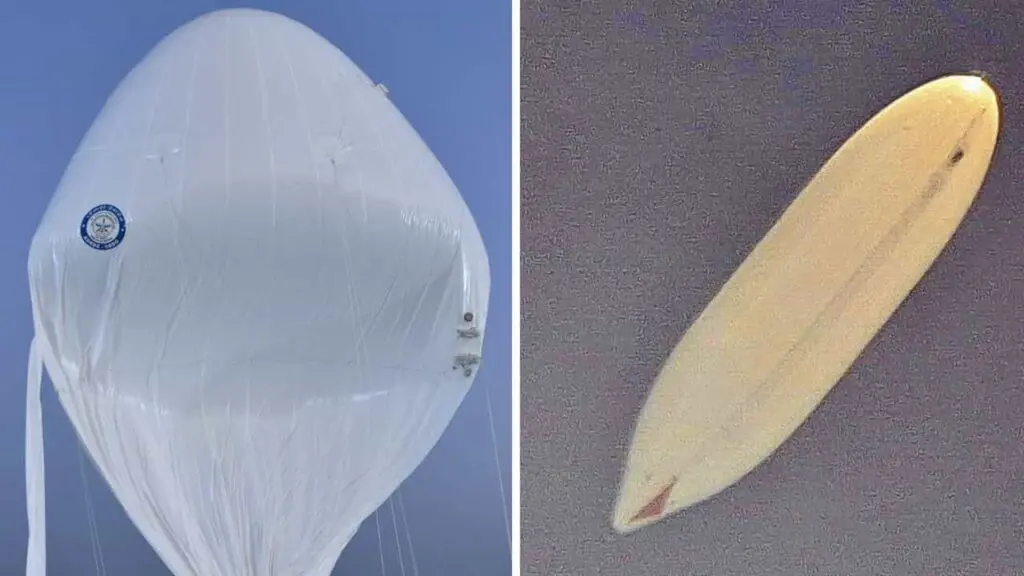
ISRO has conducted a key Integrated Main Parachute Air Drop Test (IMAT) for its Gaganyaan missions. The test, the fifth in the series, took place on July 7, 2026, at the ADRDE drop zone in Sheopur, Madhya Pradesh. A single main parachute with a dummy mass was dropped from an IAF IL-76 aircraft at 2.5 km to qualify its structural integrity for maximum load conditions expected during the first uncrewed G1 mission.

Separately, ISRO reported successful tests of three other critical crew module systems on July 12. These include the crew module uprighting system using cold gas, the separation mechanism between the crew and service modules, and structural validation of the apex cover that protects parachutes. The tests involved ISRO, DRDO, the IAF and the Indian Army.
Indian Opinion Analysis
ISRO's own release on the successful airdrop test focuses on technical milestones and inter-agency cooperation, omitting any timelines or program risks. The Hindu's broader roundup of three separate tests confirms steady progress but also cites ISRO's internal memo addressing scientist attrition, a detail the space agency itself did not highlight. While the core narrative is mutually reinforcing, The Hindu's inclusion indicates awareness of human-resource constraints alongside hardware advancement. The next milestone to watch is the uncrewed G1 mission, which will verify these deceleration systems in flight.
Coverage: 2 sources, 2 neutral
Sources (2): isro.gov.in (neutral report), thehindu.com (neutral report)
This brief was synthesised by AI from the 2 sources linked above, so one read covers every framing they carry. Methodology and corrections.
Updated: this story now draws on 2 sources.