














Now Reading: Jaishankar says stable India-China ties key for multi-polar Asia
-
01
Jaishankar says stable India-China ties key for multi-polar Asia

Jaishankar says stable India-China ties key for multi-polar Asia

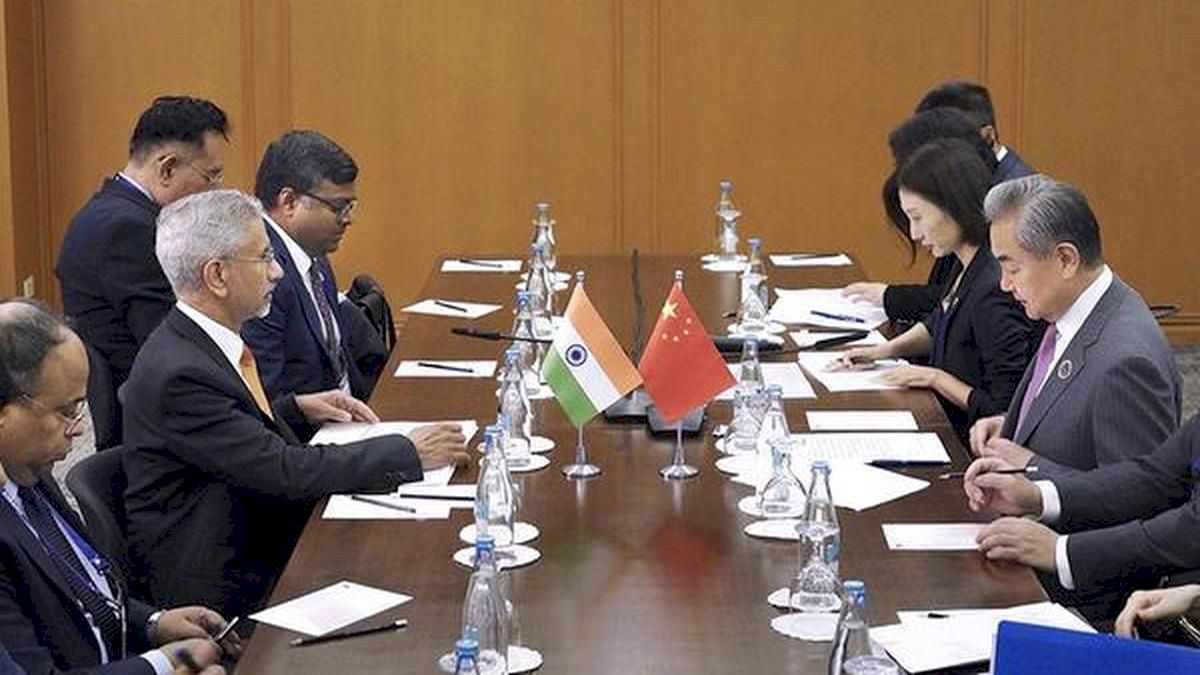
External Affairs Minister S. Jaishankar told Chinese counterpart Wang Yi in Manila that stable India-China relations will help build a 'multi-polar Asia' and 'multi-polar world'. He said peace in border areas is…
The Story in Brief
External Affairs Minister S. Jaishankar told Chinese counterpart Wang Yi in Manila that stable India-China relations will help build a 'multi-polar Asia' and 'multi-polar world'. He said peace in border areas is the pre-requisite for normal ties, and steps like resuming flights and the Kailash Manasarovar Yatra should be welcomed. The meeting came before the Quad foreign ministers met on the sidelines of the ASEAN meeting and reaffirmed support for a free and open Indo-Pacific and ASEAN unity.
Mr. Jaishankar also met Russian Foreign Minister Sergey Lavrov and expressed 'strong concern' over the safety of Indian seafarers after four were killed in a Russian projectile strike near Odesa. He discussed trade, energy, and the Ukraine crisis with Mr. Lavrov, and with U.S. Secretary of State Marco Rubio he covered trade and tariffs. Separately, a panel in Chennai noted that India-Japan ties are critical for future Indo-Pacific stability.
The Indian Opinion
Some narratives paint India as leaning toward China at the expense of the Quad, or as being too cosy with Russia despite the Black Sea deaths. The facts show a more balanced approach: Mr. Jaishankar spoke of 'multi-polar Asia' but also stood with Quad partners and raised seafarer safety with Moscow. The real test is whether the border peace holds after the resumed engagement. If the next round of talks falters, the talk of multi-polarity will ring hollow.
Sources (2): thehindu.com, thehindu.com (2)
This story was synthesised by AI from the 2 sources linked above.
Updated: this story now draws on 2 sources.