













Now Reading: Jammu and Kashmir High Court refuses to cancel bail for opium cultivation
-
01
Jammu and Kashmir High Court refuses to cancel bail for opium cultivation

Jammu and Kashmir High Court refuses to cancel bail for opium cultivation


The Jammu & Kashmir and Ladakh High Court has dismissed a petition by the Union Territory seeking cancellation of bail granted to Ghulam Nabi Mir, who was arrested for cultivating opium poppy…
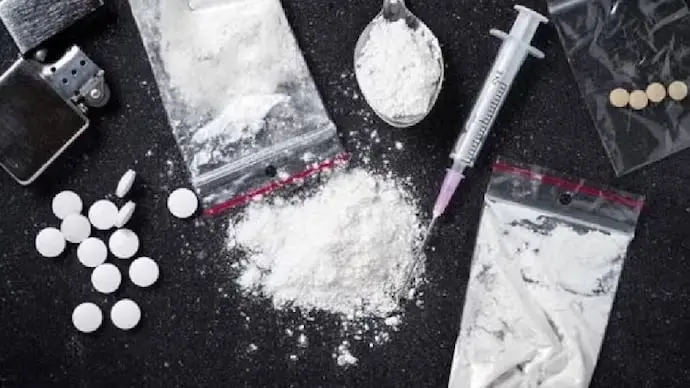
The Jammu & Kashmir and Ladakh High Court has dismissed a petition by the Union Territory seeking cancellation of bail granted to Ghulam Nabi Mir, who was arrested for cultivating opium poppy on one marla of land. Justice Rajnesh Oswal noted there was no allegation that Mir had violated any bail conditions since his release on interim bail on May 29, 2026.

The court ruled that the strict restrictions of Section 37 of the NDPS Act did not apply to this case, as the matter involved limited cultivation rather than recovery of commercial quantity. The bail application was considered under Section 18(c) of the Act. The Special Judge, NDPS, Anantnag had earlier made the interim bail absolute, and the High Court found no reason to interfere with that order, calling the UT's petition without merit.
Indian Opinion Analysis
The J&K High Court's dismissal of the UT's plea is a straightforward application of bail law, where no violation of conditions meant no case for cancellation. Both outlets report the same legal reasoning, that Section 37's strict bail restrictions did not apply to limited cultivation of 01 marla. LiveLaw frames the ruling around the court's legal interpretation of Section 18(c) versus Section 37, while Times of India leads with the factual outcome. Neither outlet criticises or defends the government. The coverage is uniform straight reporting, and the key implication is that courts distinguish between commercial trafficking and small-scale cultivation under the NDPS Act. The practical test will be whether the UT appeals to the Supreme Court on the legal applicability point.
Coverage: 2 sources, 2 neutral
Sources (2): livelaw.in (neutral report), timesofindia.indiatimes.com (neutral report)
This brief was synthesised by AI from the 2 sources linked above, so one read covers every framing they carry.