














Now Reading: Failure to inform right to represent makes detention illegal: SC
-
01
Failure to inform right to represent makes detention illegal: SC


The Supreme Court has ruled that a preventive detention order is illegal if the detaining authority fails to inform the detenu of the right to make a representation before it, even if…
The Story in Brief
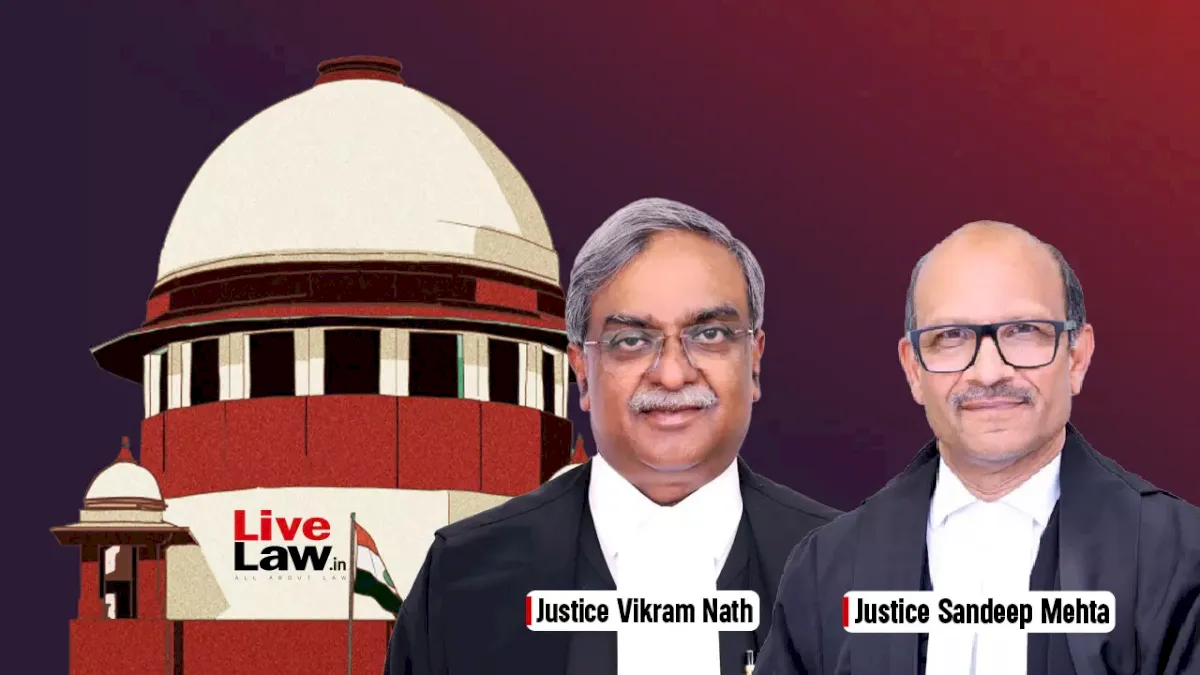
The Supreme Court has ruled that a preventive detention order is illegal if the detaining authority fails to inform the detenu of the right to make a representation before it, even if the detenu independently submitted such a representation. A bench of Justice Vikram Nath and Justice Sandeep Mehta set aside a detention order under the Prevention of Illicit Traffic in Narcotic Drugs and Psychotropic Substances Act, 1988, noting that the detenu was told he could represent to the State Government, the Advisory Board and the Central Government, but not to the officer who made the order.

The court held that this omission violates Article 22(5) of the Constitution and cannot be cured by the detenu having addressed one representation to the detaining authority. The appeal, filed by the detenu's wife, challenged a Kerala High Court order confirming the detention. The Supreme Court quashed the detention order, leading to the release of the detenu after nearly seven months in illegal custody.
The Indian Opinion
This judgment underscores that procedural safeguards in preventive detention are not technicalities but constitutional rights. Some narratives paint such rulings as loopholes that let off drug offenders; but the court rightly insists that the state cannot bypass fundamental rights even for serious crimes. The key test now is whether detaining authorities will uniformly inform detenus of all avenues of representation, or continue to rely on half-information. Will this ruling force a change in procedure, or will it remain a one-off correction?
Source: livelaw.in
This story was synthesised by AI from the source linked above.