





















Now Reading: Jammu Kashmir imports 84% power, Rs 417 crore bill gap
-
01
Jammu Kashmir imports 84% power, Rs 417 crore bill gap


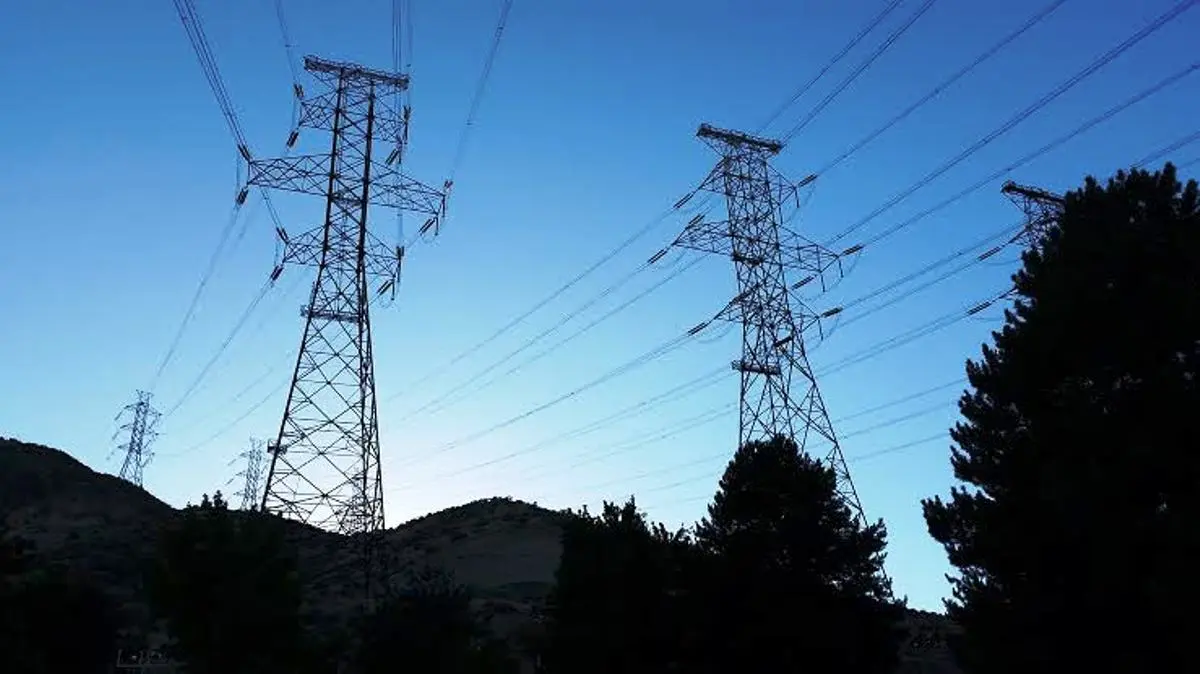
Jammu and Kashmir imports nearly 84 per cent of its power, generating only 360 to 400 MW from its own stations of 1197 MW capacity, Kashmir Life reported on 14 October citing official figures. The Union Territory’s current load is 1170 MW in Kashmir and 1130 MW in Jammu. The NRPC projects a 400 MW peak-hour deficit for October 2026.
Separately, the KPDCL’s annual audit for FY 2025-26 shows a Rs 417 crore gap between bills issued (Rs 2,983 crore) and collections (Rs 2,566 crore), Rising Kashmir reported on 15 October. Residential consumers account for 71.5 per cent of energy use and 82 per cent of connections. The collection gap across all consumer categories adds to the financial strain on the power distribution utility.
Indian Opinion Analysis
The two outlets cover different aspects of the same power sector. Kashmir Life reports the 84 per cent import dependence and a forecast 400 MW peak-hour deficit, while Rising Kashmir details a Rs 417 crore billing-collection gap for FY 2025-26. Both are straight factual reports on separate official data. The import figure and deficit projection from the northern grid and the KPDCL audit figures are each presented without slant. A reader linking the two sees that high imports and a large collection shortfall compound the fiscal stress on the utility. The next concrete step is the KPDCL audit being used as the basis for collection improvement targets in ongoing fiscal FY 2026-27.
Coverage: 2 sources, 2 neutral
Sources (2): kashmirlife.net (neutral report), risingkashmir.com (neutral report)
This brief was synthesised by AI from the 2 sources linked above, so one read covers every framing they carry. Methodology and corrections.