











Now Reading: Cambridge professor’s death sparks Indian academia caste debate
-
01
Cambridge professor’s death sparks Indian academia caste debate


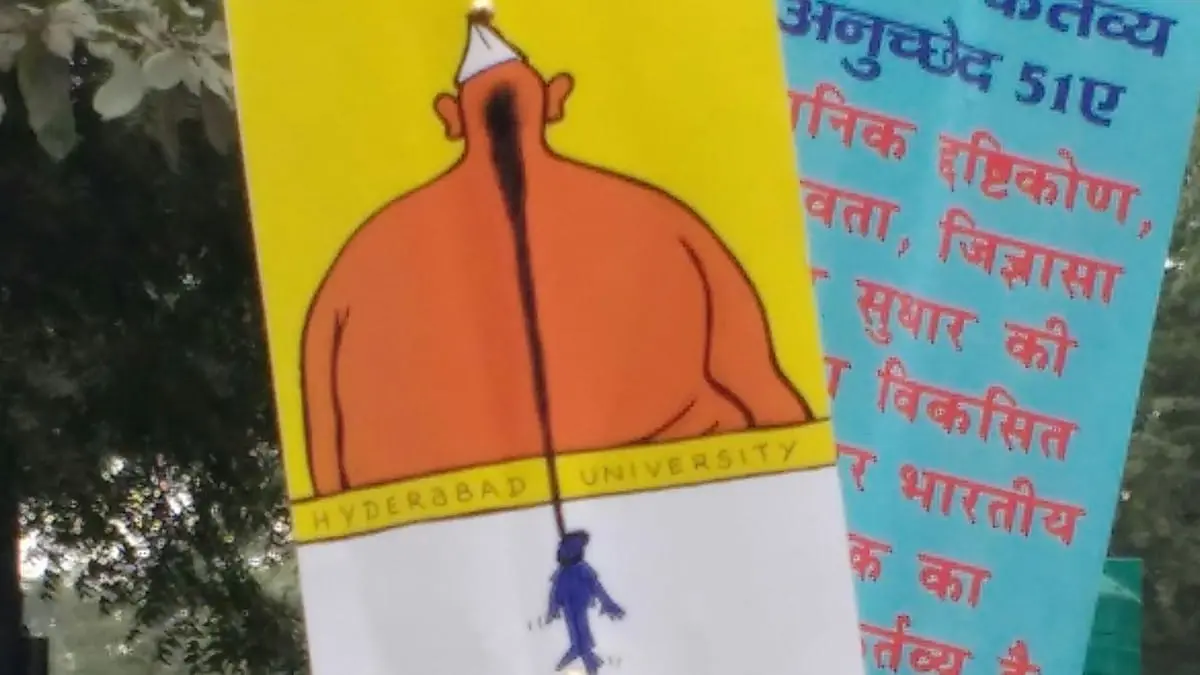
Jason Arday, Cambridge University's youngest Black professor, was found dead at his London home on 14 August, days after resigning his post. His family said he endured a sustained campaign of harassment over three years. ThePrint reports the case mirrors Indian Dalit academics, citing examples at IIT Kanpur, Kerala University, and Telangana where caste-based scrutiny and anonymous complaints derailed careers.
The Times of India reports Nathan Cofnas, who first detailed plagiarism allegations against Arday, told VRT NWS the controversy was fundamentally about DEI policies. The Guardian later found Arday's claims about visiting professorships at Ohio State and Glasgow, a master's at Birkbeck, and a book with Palgrave Macmillan could not be substantiated. Cambridge opened an inquiry on 5 August, Arday resigned the same day. His death is being investigated by London police.
Indian Opinion Analysis
ThePrint frames Arday's death through a caste-lens parallel to Indian Dalit academics, emphasising institutional hypocrisy and the asymmetry of suspicion. The Times of India reports Cofnas's DEI critique and the unsubstantiated personal claims that fuelled the scrutiny. ThePrint omits the specific biographical discrepancies that triggered the investigation, the Times of India omits the pattern of caste-based harassment documented at IIT Kanpur and elsewhere. The gap matters: the two framings answer different questions. One asks whether institutions protect marginalised scholars, the other asks whether the merit of those scholars withstands scrutiny. The Common University Entrance Test (CUET) data on Dalit dropout rates at central universities, due next month from the Ministry of Education, will quantify the structural dimension that ThePrint's analogy suggests.
Coverage: 2 sources, 1 government-critical, 1 sensationalist
Sources (2): theprint.in (government critical), timesofindia.indiatimes.com (sensationalist)
This story was synthesised by AI from the 2 sources linked above. Methodology and corrections.
Updated: this story now draws on 2 sources.