














Now Reading: Jason Arday, former Cambridge professor, found dead at 41
-
01
Jason Arday, former Cambridge professor, found dead at 41



Former University of Cambridge professor Jason Arday, 41, was found dead at a home in Battersea, south London, on Friday afternoon. Police said the death was unexpected but not believed to be…
The Story in Brief
Former University of Cambridge professor Jason Arday, 41, was found dead at a home in Battersea, south London, on Friday afternoon. Police said the death was unexpected but not believed to be suspicious. He had resigned on August 5 after a plagiarism row that included racism claims.
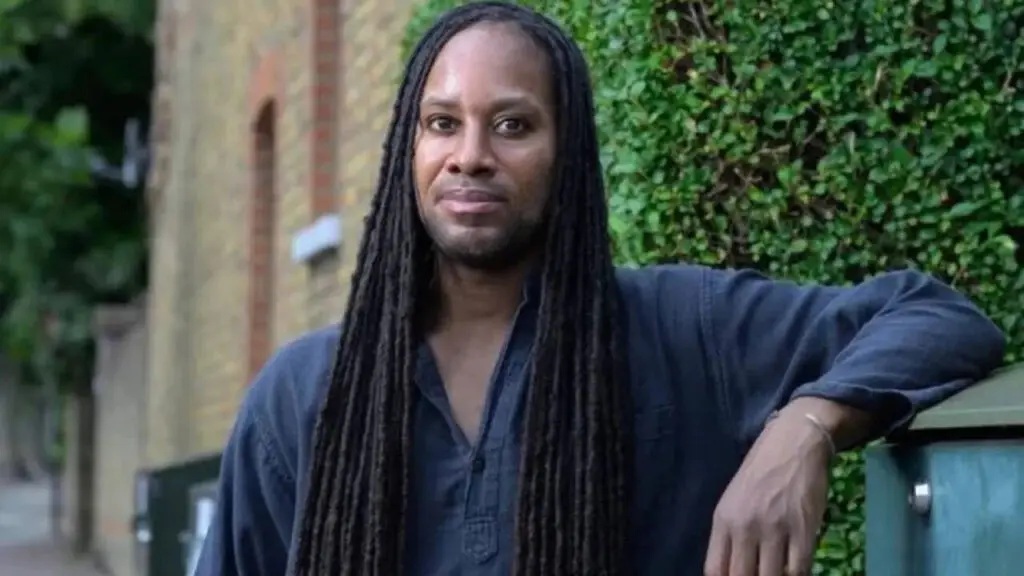
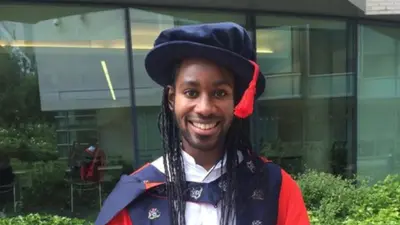
Arday was appointed professor of sociology of education in 2023, becoming Cambridge's youngest black professor. He denied plagiarism but acknowledged errors. The controversy began after Nathan Cofnas, a former Cambridge academic, alleged multiple plagiarism instances. Cambridge had announced an investigation into his appointment.
The Indian Opinion
This tragedy should not be weaponised to score points in the plagiarism-versus-racism debate. Arday faced legitimate questions about his work, and also public attacks that went beyond scholarly disagreement. But his death does not prove either side right. The real test will be the Cambridge review findings and the coroner's report. Was the scrutiny fair or excessive? That answer is still missing.
Sources (5): thehindu.com, timesnownews.com, ndtv.com, timesofindia.indiatimes.com, timesnownews.com (2)
This story was synthesised by AI from the 5 sources linked above.
Updated: this story now draws on 5 sources.