










Now Reading: Jharkhand police defend lathi charge, to scan CCTV as bandh called
-
01
Jharkhand police defend lathi charge, to scan CCTV as bandh called



Police in Ranchi will analyse CCTV footage to identify those they say disrupted a student protest march to the Jharkhand Assembly on Monday, as officials defended using "mild force" including tear gas…
The Story in Brief
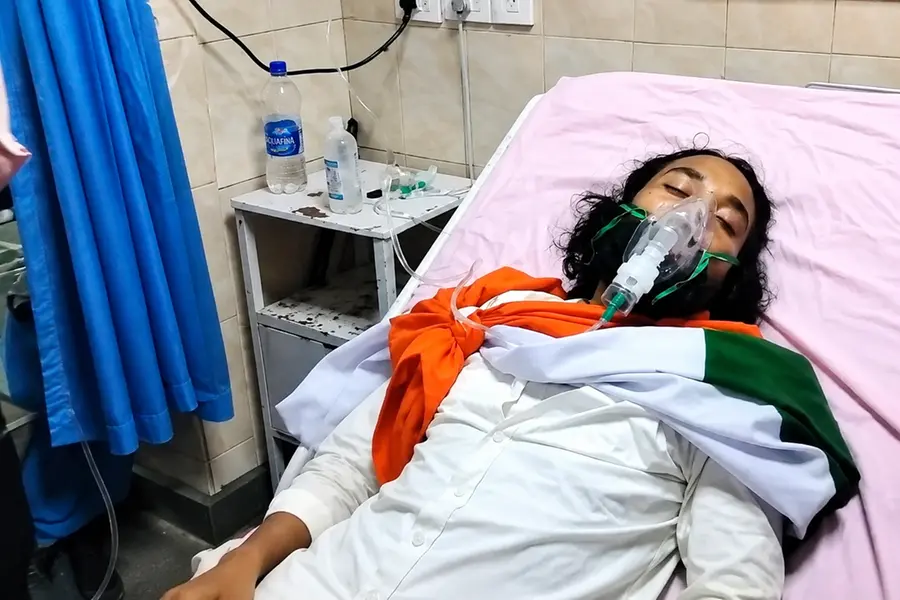
Police in Ranchi will analyse CCTV footage to identify those they say disrupted a student protest march to the Jharkhand Assembly on Monday, as officials defended using "mild force" including tear gas and water cannons. Ranchi SSP Rakesh Ranjan said 14 police personnel were injured and protesters threw objects. Student leaders and the BJP condemned the action, with BJP calling a state-wide bandh on Tuesday. JLKM leader Devendra Nath Mahto, on a nine-day hunger strike, was hospitalised after his health deteriorated during the march. The students demand a CBI probe into alleged irregularities in JPSC and JSSC recruitment exams.
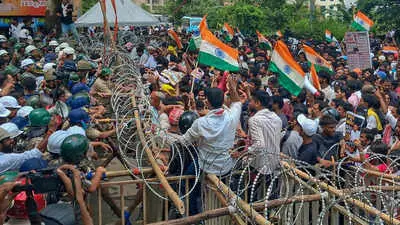
The government says it has accepted 98 per cent of demands, including cancelling the 14th JPSC exam and forming a reform panel, but refuses a CBI inquiry. Protesters insist they will not relent without an independent probe. On Sunday, all three JPSC members resigned after a CID summons. The agitation is among the biggest in Jharkhand in recent years.
The Indian Opinion
The government claims "98 per cent" demands are met, but the one percent it denies, a CBI probe, is the only one that matters to students who have lost years to paper leaks and cancellations. Calling protesters anti-social while thanking police for a lathi charge on hungry, peaceful youth rings hollow. The BJP's bandh call risks politicising a genuine grievance. The test now is whether the fast-track court and expert panel deliver a single conviction before the next exam cycle; if not, this anger will return to the streets.
Sources (5): timesofindia.indiatimes.com, thehindu.com, thehindu.com (2), english.mathrubhumi.com, greaterkashmir.com
This story was synthesised by AI from the 5 sources linked above.
Updated: this story now draws on 5 sources.