












Now Reading: J&K High Court seeks clarity on BNSS for pre-2024 defamation case
-
01
J&K High Court seeks clarity on BNSS for pre-2024 defamation case


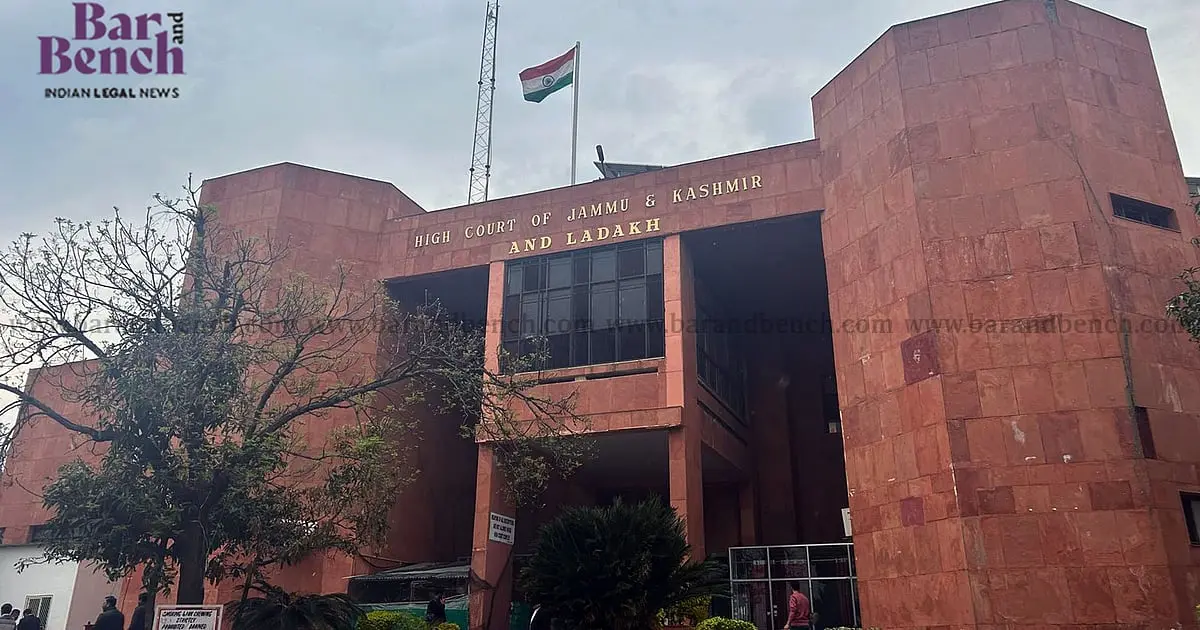
The Jammu and Kashmir High Court has sought assistance from a Senior Additional Advocate General to decide whether India's new criminal laws apply to a defamation case where the offence occurred in 2023 but the complaint was filed in January 2025. Justice Wasim Sadiq Nargal on August 3 directed Senior AAG Monika Kohli to help the court examine the applicability of the Bharatiya Nagarik Suraksha Sanhita (BNSS), 2023, which replaced the Code of Criminal Procedure from July 1, 2024.
The dispute involves allegations about the purchase of Interactive Flat Panels through the GeM portal. The petitioner argues that since the alleged defamation took place in 2023 when the IPC and CrPC were in force, the old procedural law should govern the matter. The trial court had applied BNSS and dismissed an application to continue under CrPC. The High Court will hear the matter next in November, with the petitioner relying on saving provisions in the new laws and the General Clauses Act, 1897.
Indian Opinion Analysis
The transition from CrPC to BNSS creates legal uncertainty for cases straddling the July 2024 cut-off. Courts must decide whether forum convenience or date of offence determines procedural law. This case directly affects pending complaints and investigations involving acts committed before the new code took effect. The High Court's ruling will set a precedent for hundreds of similar matters across J&K. The specific saving provisions under Section 6 of the General Clauses Act, 1897, which typically protects vested rights on repeal, are central to the petitioner's argument. The next hearing in November will clarify how courts treat procedural retrospectivity versus substantive rights.
Source: barandbench.com
This story was synthesised by AI from the source linked above. Methodology and corrections.