














Now Reading: JNU cancels Umar Khalid book talk, students call it undemocratic
-
01
JNU cancels Umar Khalid book talk, students call it undemocratic


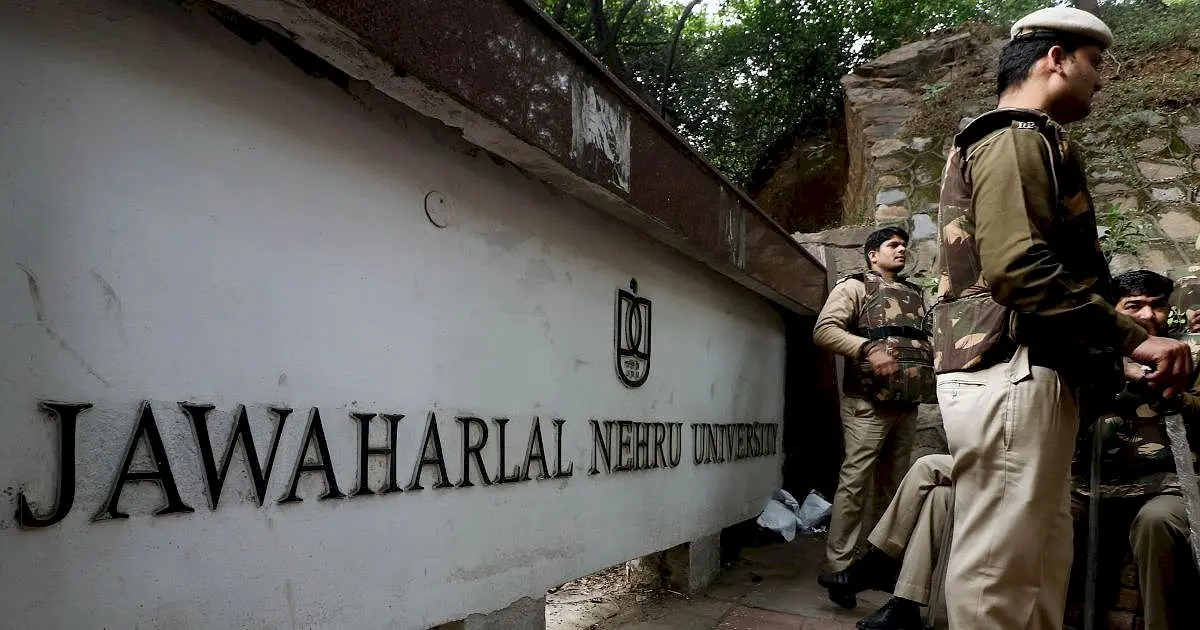
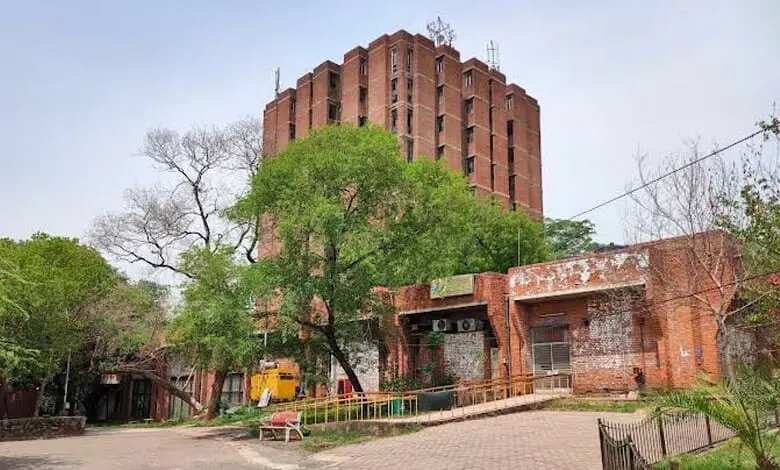
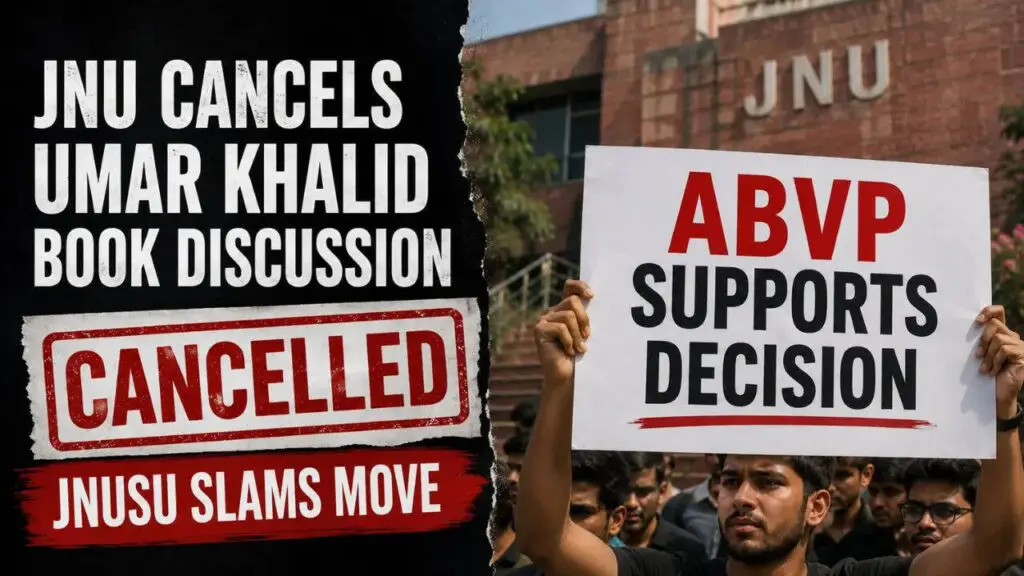
JNU cancelled the auditorium booking for a book discussion on Umar Khalid's 'Fractured Communities' scheduled for World Adivasi Day on August 10, 2026. The university cited non-disclosure of full facts about the…
The Story in Brief
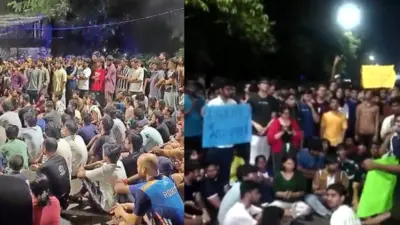
JNU cancelled the auditorium booking for a book discussion on Umar Khalid's 'Fractured Communities' scheduled for World Adivasi Day on August 10, 2026. The university cited non-disclosure of full facts about the programme. JNUSU called the move "undemocratic" and "arbitrary", and said it will hold the discussion outdoors near the SSS-II building. The union accused the administration of double standards, noting it allowed ISKCON events on campus while denying space for the academic talk.
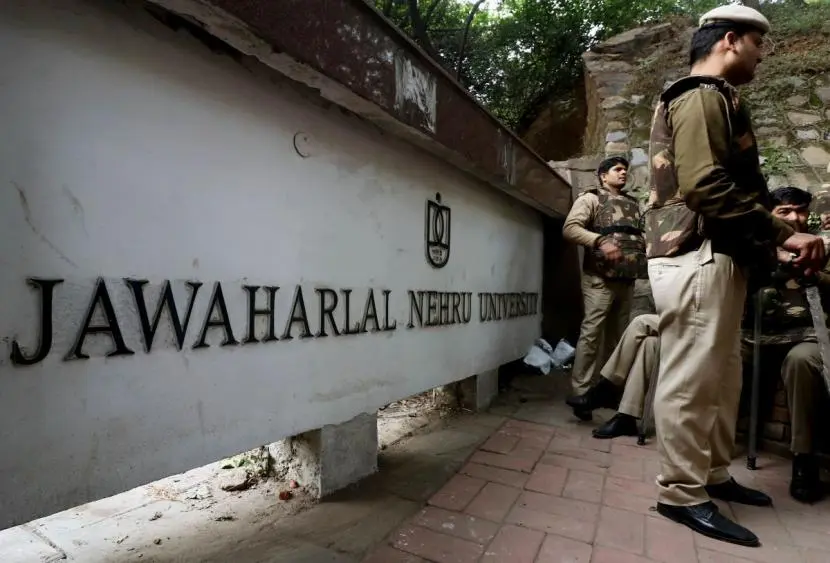
ABVP backed the cancellation, claiming it followed its sustained efforts and calling Khalid a "traitor" accused in the 2020 Delhi riots case. JNUSU, in a press statement, alleged the administration is anti-student and anti-intellectual. It also referenced a Reporters' Collective investigation into faculty recruitments under the current vice-chancellor. The union said the discussion will proceed at a different venue.
The Indian Opinion
The ISKCON and Umar Khalid cancellations are being framed as a clash between secularism and Hindutva, but that misses the point. JNU's own rules bar religious organisations from campus events, and the adivasi book talk was cancelled over a booking technicality. The real test is consistency: will the administration apply the same rule to every group, or only to those it dislikes? Watch whether the outdoor discussion is allowed to proceed peacefully, and whether the faculty recruitment allegations get an independent inquiry. That will settle who is defending academic freedom and who is using rules as a weapon.
Sources (2): rediff.com, timesnownews.com
This story was synthesised by AI from the 2 sources linked above.
Updated: this story now draws on 2 sources.