







Now Reading: Five years on, Taliban rule leaves Afghan girls shut out
-
01
Five years on, Taliban rule leaves Afghan girls shut out


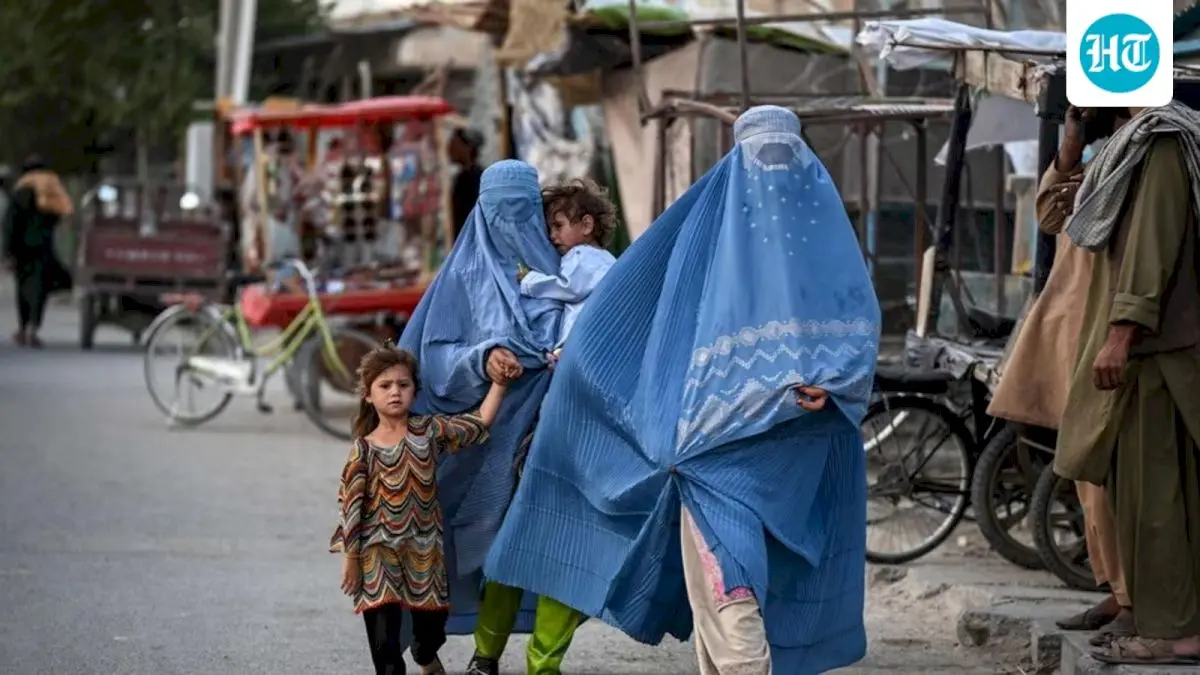
Five years after the Taliban returned to power, Afghanistan is calmer but remains poor, hungry and repressive. Girls above Grade 6 remain barred from formal secondary education, while women face restrictions on…
The Story in Brief
Five years after the Taliban returned to power, Afghanistan is calmer but remains poor, hungry and repressive. Girls above Grade 6 remain barred from formal secondary education, while women face restrictions on work, universities and travel. The Economist reports that cities are safer after decades of war, but aid cuts, rising food prices and weak public services threaten livelihoods.
In Kabul, a private madrasa is quietly teaching about 600 girls subjects including maths, science and English, according to Hindustan Times. Fees of about 1,000 afghanis a month exclude many families, and some teachers struggle to work openly. The paper estimates that perhaps only 10% of secondary-age girls receive formal education. Afghan women continue protests and underground schooling, while the UN-led Doha process has excluded them from its main talks.

The Indian Opinion
The lazy story is that peace proves Taliban rule is working, while the opposite exaggeration treats every form of engagement as surrender. Both miss the measurable reality: safer streets do not compensate for millions of girls losing education and women losing work. Aid and diplomacy should protect ordinary Afghans without granting the rulers a free pass. The test is simple: will girls return to secondary classrooms, and will women regain jobs? Until then, claims of normalisation are premature.
Sources (3): hindustantimes.com, hindustantimes.com (2), hindustantimes.com (3)
This story was synthesised by AI from the 3 sources linked above.
Updated: this story now draws on 3 sources.