


















Now Reading: Kashmir protests, election boycott test Pakistan’s authority
-
01
Kashmir protests, election boycott test Pakistan’s authority


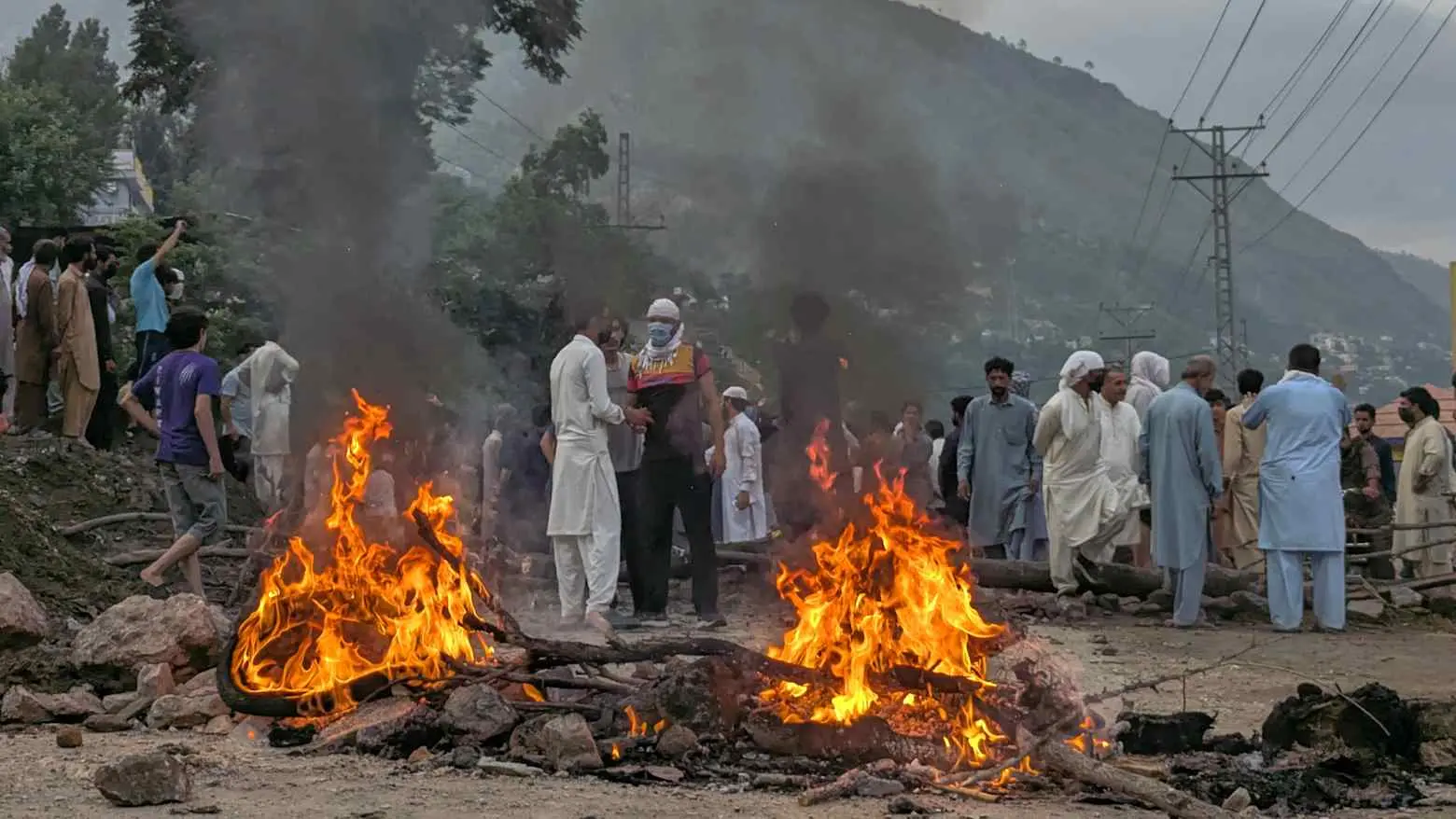
Pakistan faces an unprecedented challenge to its authority in its side of Kashmir. Violent protests and an election boycott have disrupted regional polls and intensified a long-running dispute over political representation by Kashmiri refugees.
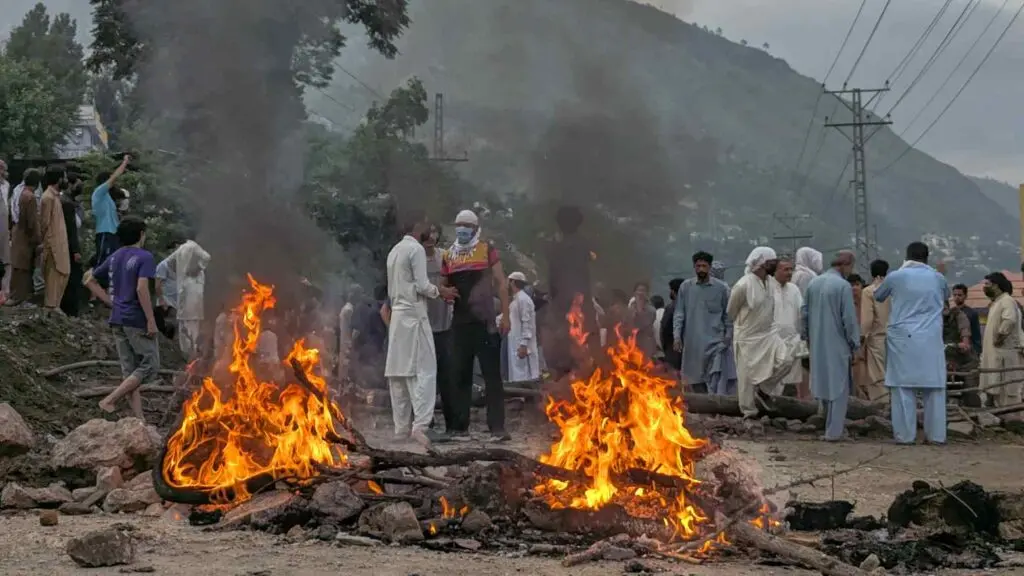
The Joint Awami Action Committee, a protest alliance, is demanding greater political rights and the abolition of 12 legislative seats reserved for refugees. Clashes between police and protesters have blocked roads in Muzaffarabad, the capital of Pakistan-administered Kashmir.
The dispute centres on whether refugees, who fled to Pakistan-administered Kashmir after wars with India, should continue to have separate representation. The boycott has thrown the electoral process into uncertainty, with no immediate sign of a government compromise.
Indian Opinion Analysis
The core grievance is the number of legislative seats reserved for refugees, 12 out of 49. The refugees are mostly from the 1947 and 1965 wars with India. Kashmir has a unique constitutional relationship with Pakistan, but refugees voting here cannot then vote in Pakistan's national elections. The boycott taps a deeper resentment: locals feel their political voice is diluted by a block that owes allegiance to the state rather than to Kashmir. The next signal is whether Islamabad reopens the seat formula or stands firm, and whether the protest alliance can sustain momentum without elections as a rallying point.
Source: asia.nikkei.com
This story was synthesised by AI from the source linked above. Methodology and corrections.