
















Now Reading: Keeladi excavation becomes flashpoint in India’s history wars
-
01
Keeladi excavation becomes flashpoint in India’s history wars


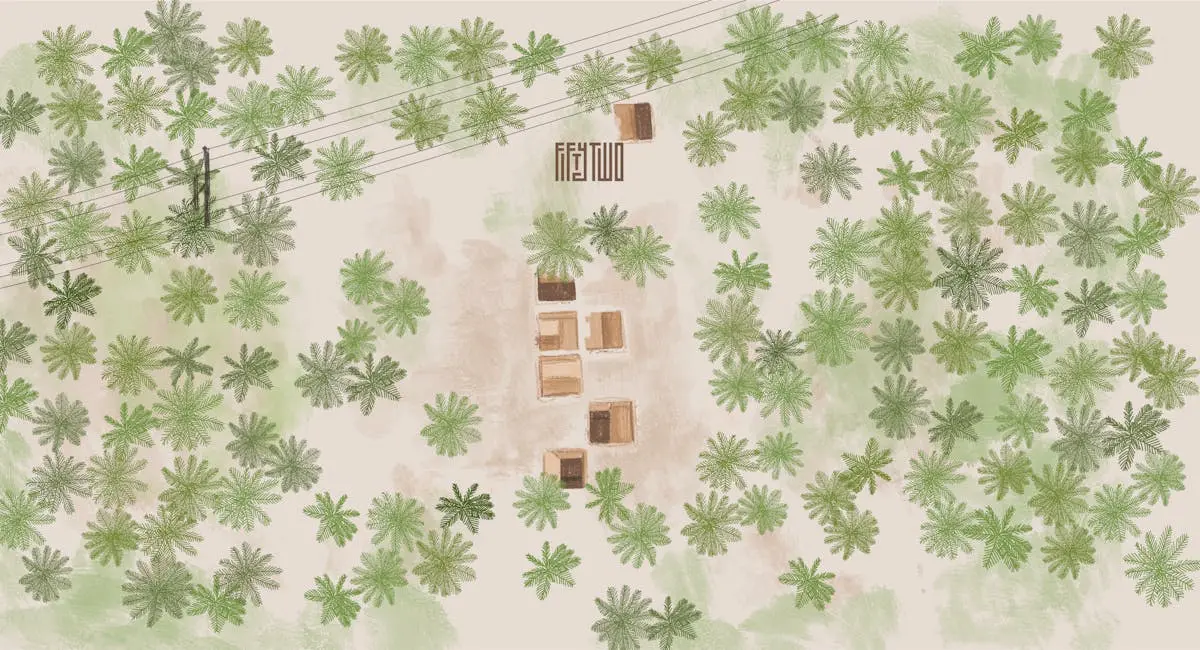
Journalist Sowmiya Ashok's new book, 'The Dig: Keeladi and the Politics of India’s Past', examines how the archaeological site at Keeladi in Tamil Nadu has become a contested symbol of Tamil identity and a battleground over who narrates India's past. Since its discovery in 2014, the excavation near Madurai has drawn intense debate around language, nationalism, and the intersection of science and politics.

Ashok discusses the emotional significance of Keeladi for contemporary Tamil identity, the links between Sangam literature and the findings, and the colonial legacies of Indian archaeology. The book also explores how Hindutva and Dravidian politics shape competing narratives of history, as public interest in archaeology grows in Tamil Nadu.
Indian Opinion Analysis
Keeladi's dating, suggesting an urban civilisation contemporaneous with the Gangetic plains, challenges the traditional north-centric narrative of Indian history. This has made it a political tool in Tamil Nadu's long-standing assertion of a distinct cultural identity. The site's significance is amplified by the ongoing dispute over the 'Aryan-Dravidian' divide, with each side using archaeological evidence to bolster its claims. The key question now is whether further excavations and scientific analysis will solidify Keeladi's place in mainstream historiography or remain a regional rallying point. The next round of findings from the Archaeological Survey of India will be crucial.
Source: himalmag.com
This story was synthesised by AI from the source linked above. Methodology and corrections.