









Now Reading: Ken-Betwa project enters implementation, irrigation target set at 11.88 lakh hectares
-
01
Ken-Betwa project enters implementation, irrigation target set at 11.88 lakh hectares

Ken-Betwa project enters implementation, irrigation target set at 11.88 lakh hectares

The Ken-Betwa Link Project is the only one among 30 identified river-linking projects to have entered the implementation stage, the Centre told the Rajya Sabha on Monday. Minister of State for Jal…
The Story in Brief
The Ken-Betwa Link Project is the only one among 30 identified river-linking projects to have entered the implementation stage, the Centre told the Rajya Sabha on Monday. Minister of State for Jal Shakti Raj Bhushan Choudhary said in a written reply that the project, with an estimated cost of Rs 44,605 crore, will irrigate about 11.88 lakh hectares and supply drinking water to 62 lakh people.

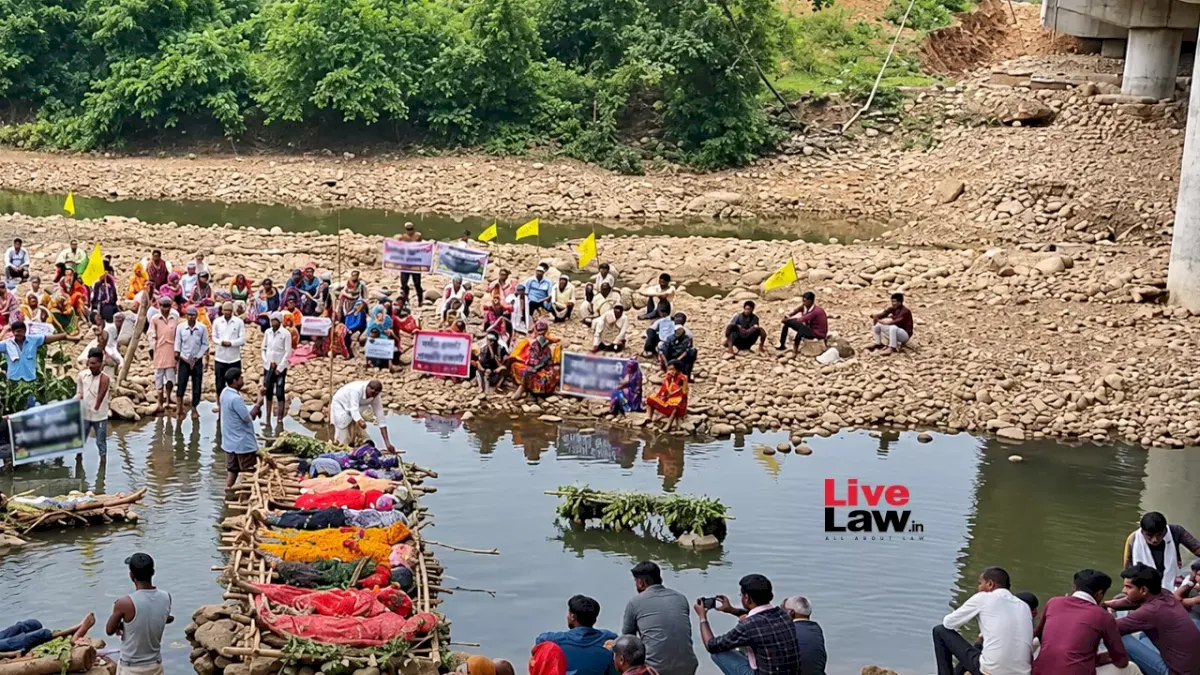
It will also generate 103 MW of hydropower and 27 MW of solar power. The minister said a comprehensive Environmental Impact Assessment and an Integrated Landscape Management Plan have been completed for the project. Meanwhile, LiveLaw reports that the project could divert 6,017 hectares of forest area and submerge about 10 per cent of the core tiger habitat in Panna Tiger Reserve, with protests against displacement continuing in Chhatarpur.
The Indian Opinion
The government touts the Ken-Betwa project as a lifeline for drought-hit Bundelkhand, promising water for 62 lakh people and 11.88 lakh hectares of farmland. But the cost in forests, wildlife, and displaced tribal families is just as real. The clamour for development cannot drown out the fact that the Supreme Court has recognised a clean environment as part of Article 21. Watch for the Central Empowered Committee's next assessment of Panna Tiger Reserve, and whether the government can show a plan that genuinely minimises forest loss while delivering the promised water. That will decide if this is a model for river-linking or a cautionary tale.
Sources (2): livelaw.in, newindianexpress.com
This story was synthesised by AI from the 2 sources linked above.
Updated: this story now draws on 2 sources.