














Now Reading: Kerala’s port-led growth plan hinges on maritime ecosystem
-
01
Kerala’s port-led growth plan hinges on maritime ecosystem


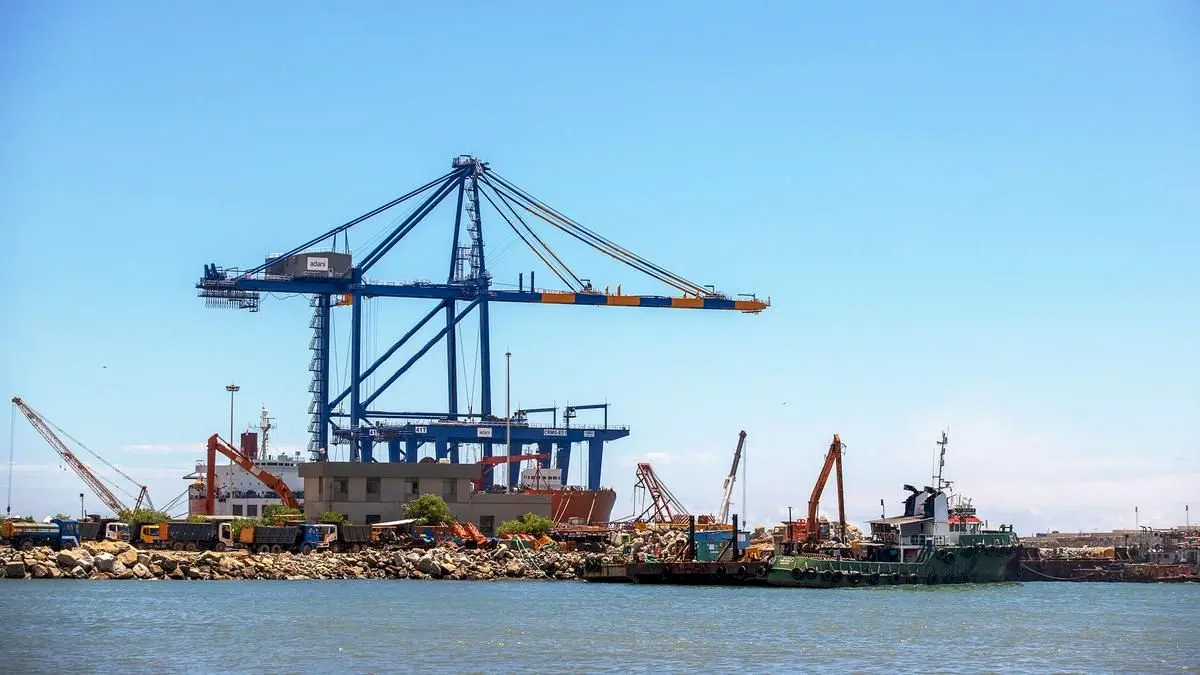
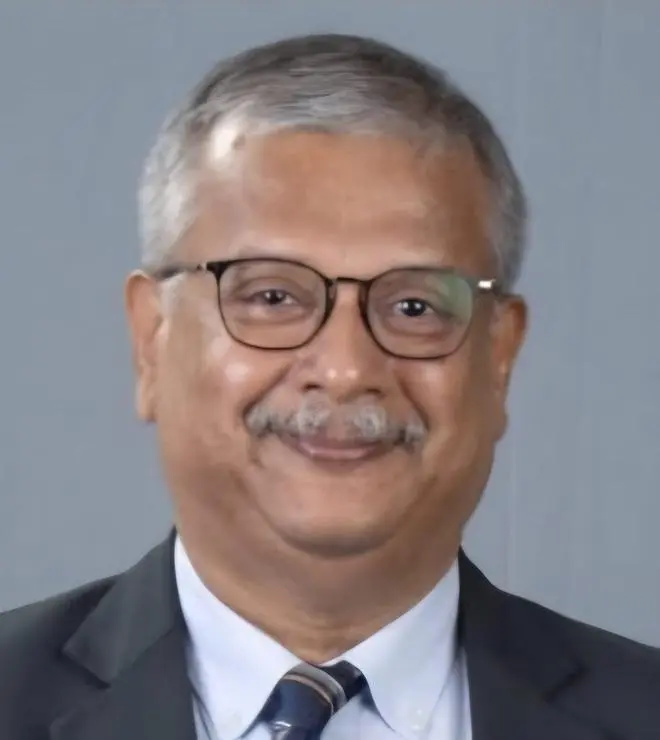
Kerala's push for a port-led growth strategy will succeed only with a full maritime ecosystem, not just more cargo terminals, former Cochin Port chairman Paul Antony writes in BusinessLine. He points to…
The Story in Brief
Kerala's push for a port-led growth strategy will succeed only with a full maritime ecosystem, not just more cargo terminals, former Cochin Port chairman Paul Antony writes in BusinessLine. He points to Singapore, which earns from bunkering, ship repair and supplies, as the model for Kochi and Vizhinjam.
Separately, Cochin Port has drawn up a five-theme redevelopment plan for Willingdon Island, targeting higher liquid and dry cargo volumes by 2030. Antony argues that cumbersome customs, 5% GST on bunkering, and the absence of Gujarat-style private funding are hurdles. He urges more use of National Waterway-3 to move freight and cut road congestion.
The Indian Opinion
The buzz around Kerala's maritime plans risks drowning out the hard numbers. GST on bunkering and slow clearances are not mere irritants, they decide whether ships stop at Kochi or Singapore. And the state's coastline, unlike Gujarat's, lacks a vast hinterland to feed ports, so new mega-terminals may stall. The real test is whether inland waterways can move the 300-380 tanker loads of fuel that trundle daily between Kochi, Thiruvananthapuram and Kozhikode. If that shift happens, the strategy is credible; if not, it is just another vision document. Watch the NW-3 cargo tonnage figures.
Sources (2): thehindubusinessline.com, thehindubusinessline.com (2)
This story was synthesised by AI from the 2 sources linked above.
Updated: this story now draws on 2 sources.