






















Now Reading: Kevin Warsh brings Delphic mystery back to Fed communication
-
01
Kevin Warsh brings Delphic mystery back to Fed communication



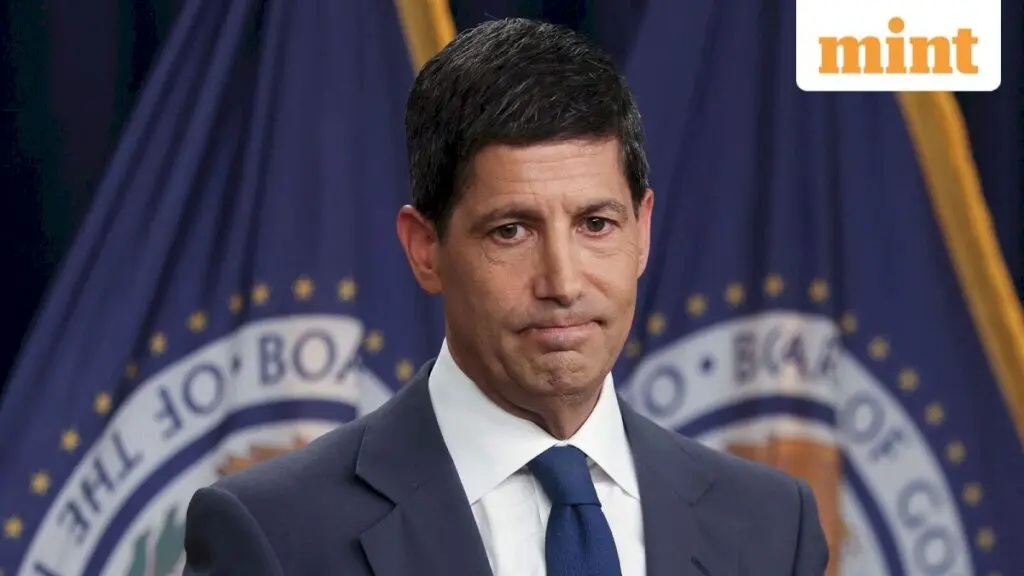
Kevin Warsh, chairman of the Federal Reserve, is rolling back decades of central-bank transparency. His second press conference in late July drew comments of being 'confusing' and 'internally contradictory'. Policy statements have…
Kevin Warsh, chairman of the Federal Reserve, is rolling back decades of central-bank transparency. His second press conference in late July drew comments of being 'confusing' and 'internally contradictory'. Policy statements have shrunk from about 340 words to half that or less. Warsh has stripped out forward guidance and declined to submit his own interest-rate projection, calling colleagues' forecasts written in pencil with 'big erasers'.
The shift recalls the Fed's pre-1994 secrecy and the Delphic style of earlier central bankers like Montagu Norman and Alan Greenspan. Yet it also follows a period when explicit language made markets hypersensitive and boxed policymakers in. The Bank of England under Mervyn King had championed the 'Maradona theory' of expectations, but later struggled when its own thresholds were hit too quickly.
The article, originally from The Economist as republished by Livemint, notes that Warsh's task-force on Fed communications strategy is co-headed by King. Central banks now face a trade-off between credibility and clarity, with recent forecasting errors eroding trust in elaborate displays of uncertainty.
Source: livemint.com
This story was synthesised by AI from the source linked above.