Now Reading: Warsh’s Fed Silence Could Deepen Market Turmoil
-
01
Warsh’s Fed Silence Could Deepen Market Turmoil


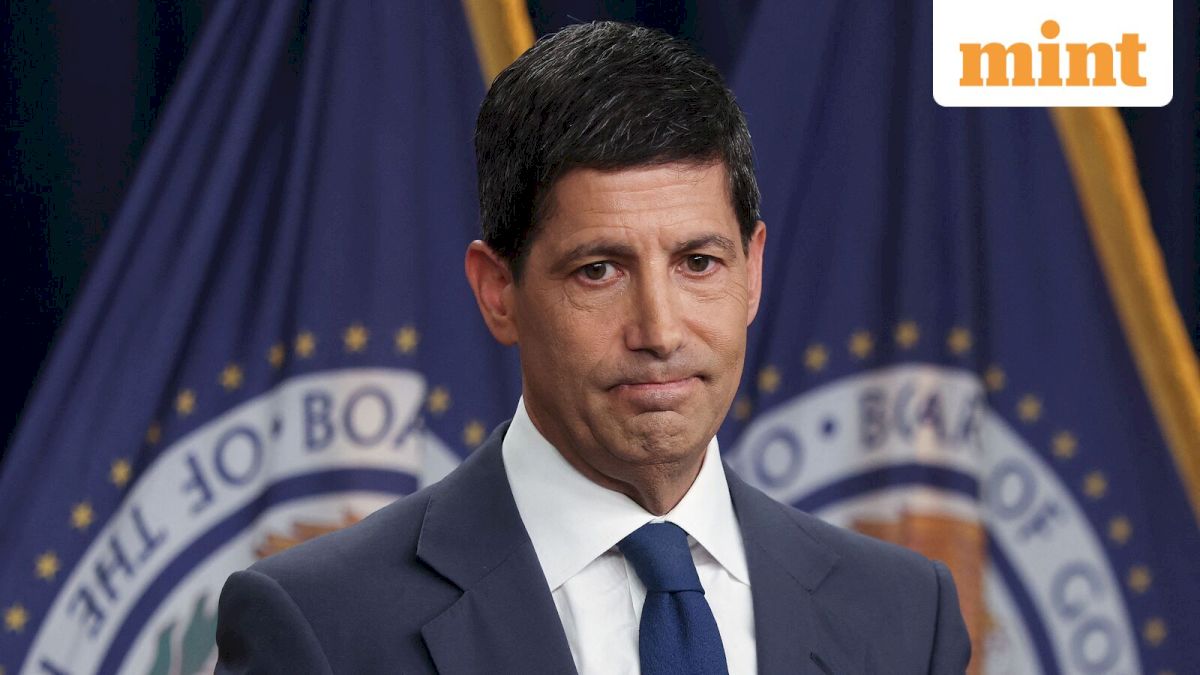
Federal Reserve chair Kevin Warsh’s guarded comments after the July 29 rate-setting meeting unsettled markets, despite the central bank leaving interest rates unchanged. The 10-year Treasury yield ended the week above 4.7%,…
The Story in Brief
Federal Reserve chair Kevin Warsh’s guarded comments after the July 29 rate-setting meeting unsettled markets, despite the central bank leaving interest rates unchanged. The 10-year Treasury yield ended the week above 4.7%, near a three-year high, while rate-sensitive technology shares weakened. The Economist, carried by Mint, says ambiguity may be manageable in calm conditions but could worsen a crisis by leaving investors unsure how the Fed would respond.
The report points to several risks: a possible artificial intelligence share sell-off, renewed dollar-asset selling, an oil shock from disruption in the Strait of Hormuz and fresh US tariffs. Brent crude has risen to $88 a barrel from about $70 in early July, while petrol in the US is above $4 a gallon. A combination of higher inflation and weaker markets could leave the Fed facing conflicting demands.
The Indian Opinion
The loudest narratives are that one press conference either caused a market crisis or proves the Fed has lost control. Neither follows from the evidence. Yields moved higher and technology shares wobbled, but the Nasdaq remained up for the year and the report says financial damage is contained so far. The real test is whether oil stays near $88, tariffs lift shop prices and inflation expectations rise together, forcing the Fed to choose between growth and price stability.
Source: livemint.com
This story was synthesised by AI from the source linked above.