














Now Reading: Kuttanad’s Wetland Crisis Demands Rethinking Human Intervention
-
01
Kuttanad’s Wetland Crisis Demands Rethinking Human Intervention


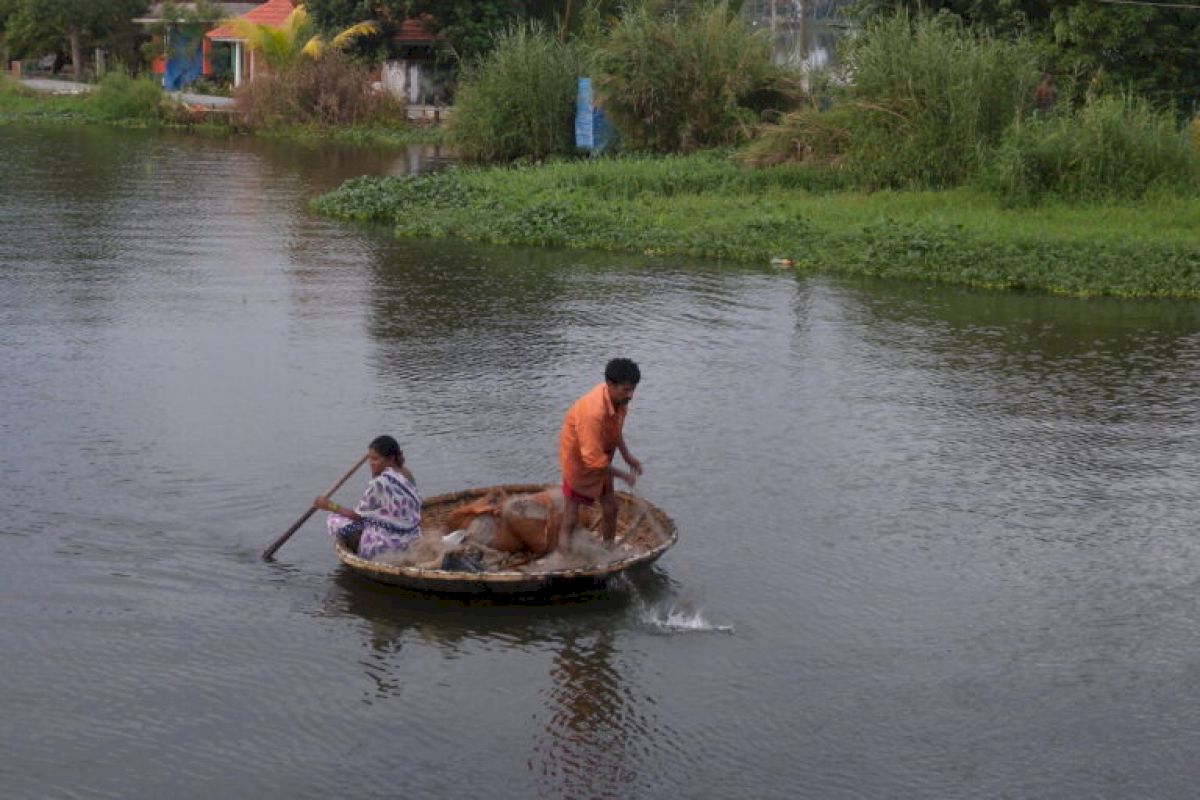
Kuttanad’s ecological crisis follows decades of interventions that have altered its natural hydrology, fisheries, flood regulation and wetland ecology, according to a commentary published by Mongabay-India. Kerala’s below-sea-level rice fields, canals and…
The Story in Brief
Kuttanad’s ecological crisis follows decades of interventions that have altered its natural hydrology, fisheries, flood regulation and wetland ecology, according to a commentary published by Mongabay-India. Kerala’s below-sea-level rice fields, canals and Vembanad lake support both farming and inland fisheries. The region covers about 524 sq km of low-lying rice fields and 304 sq km of garden lands, while the wider waterbody network connects to the Vembanad estuary.
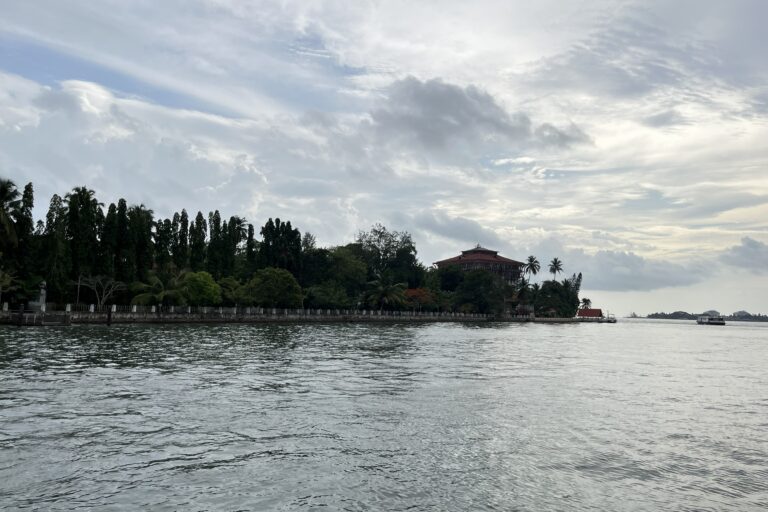
The commentary calls for an evidence-based review of major engineering structures, stronger protection for Vembanad, community-led action against water hyacinth and pollution, and implementation of pending recommendations on farming and wetland management. It says Kuttanad’s seasonal floods replenish nutrients, while reduced river flows allow saline water to move inland before the monsoon.
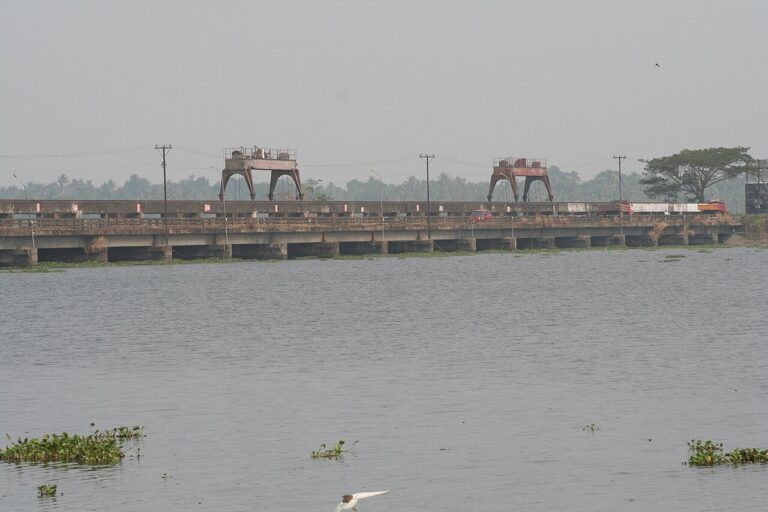
The Indian Opinion
The lazy story is that Kuttanad must choose between farming and conservation. Its own history shows the two livelihoods depend on the same water system, which also supports fisheries. The opposite claim, that engineering alone can control floods and salinity, is just as narrow. Any repair plan should be judged against changes in fish and prawn nurseries, water quality, seasonal flooding and farm output. Will those measures improve all four without damaging Vembanad?
Source: india.mongabay.com
This story was synthesised by AI from the source linked above.