










Now Reading: Modi announces $13.5 bn semiconductor push, Lam, Fujifilm invest
-
01
Modi announces $13.5 bn semiconductor push, Lam, Fujifilm invest


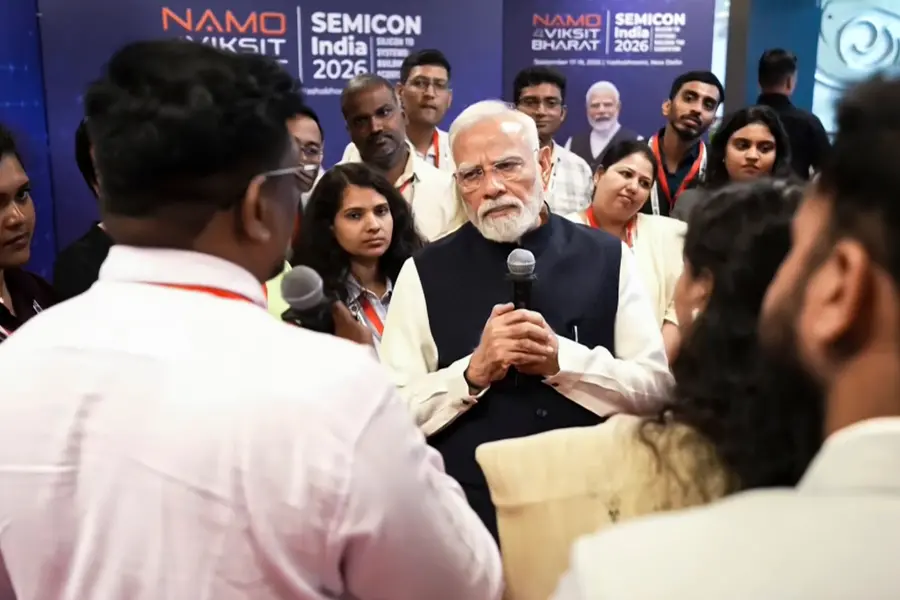
Prime Minister Narendra Modi on September 17 announced a $13.5 billion target for the second phase of India's semiconductor mission, up from $8 billion in phase one, at the inauguration of SEMICON…
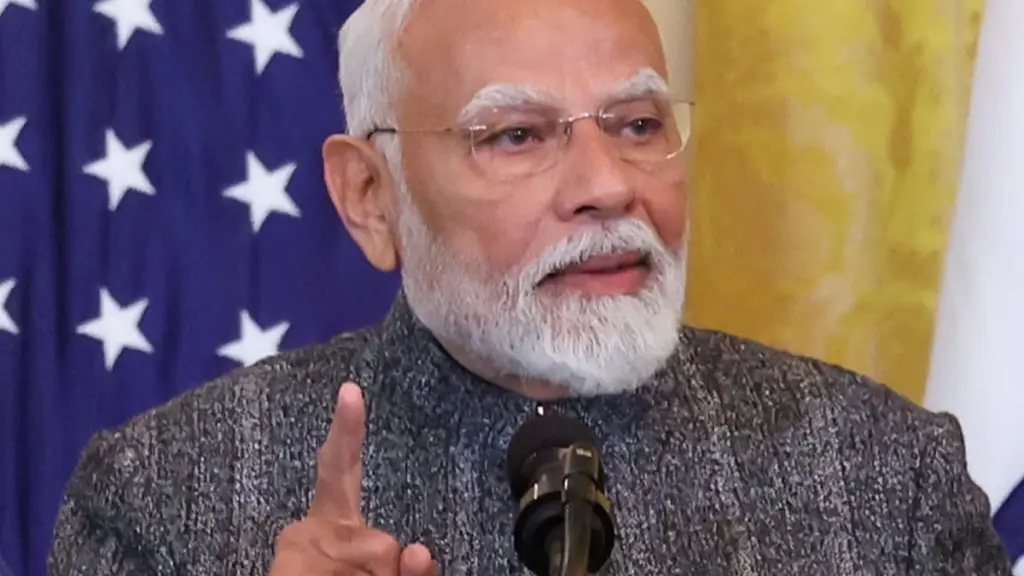
Prime Minister Narendra Modi on September 17 announced a $13.5 billion target for the second phase of India's semiconductor mission, up from $8 billion in phase one, at the inauguration of SEMICON India 2026 in New Delhi. He said 12 chip-making projects have been approved and the government is taking all measures to position India as a trusted global destination for semiconductor manufacturing, including policy and regulatory support.
Two major investment commitments were announced. Lam Research, a US semiconductor equipment maker, will invest ₹10,000 crore over several years to set up its first silicon component facility in India and expand R&D operations. Japanese firm Fujifilm will invest ₹800 crore for a semiconductor materials plant, with phase one breaking ground in fiscal 2026 and commercial production targeted for fiscal 2028, aligned with the India Semiconductor Mission 2.0 policy.
Modi also cited 3,000 km of operational Dedicated Freight Corridors and a 7.8% quarterly GDP growth rate as evidence of India's expanding industrial infrastructure. Applied Materials separately announced $5 billion in investments under Vision 2035.
Indian Opinion Analysis
Prime Minister Narendra Modi announced a $13.5 billion target for the second phase of India's semiconductor mission, up from $8 billion in phase one, while inaugurating SEMICON India 2026 in New Delhi on September 17. The event saw major investment commitments: Lam Research (US) announced ₹10,000 crore for a silicon component plant and R&D expansion, and Fujifilm (Japan) pledged ₹800 crore for a semiconductor materials facility. Modi highlighted 3,000 km of operational freight corridors, a 7.8% GDP growth rate, and stated 12 chip projects have been approved so far with more expected.
Coverage: 4 sources, 4 neutral
Sources (4): telecom.economictimes.indiatimes.com (neutral report), telecom.economictimes.indiatimes.com (2) (neutral report), english.mathrubhumi.com (neutral report), thehindu.com (neutral report)
This brief was synthesised by AI from the 4 sources linked above, so one read covers every framing they carry.
Updated: this story now draws on 4 sources.