











Now Reading: NCAER urges Bihar to lift liquor ban for development funds
-
01
NCAER urges Bihar to lift liquor ban for development funds



A new paper from the National Council of Applied Economic Research (NCAER) proposes lifting Bihar's prohibition to generate resources for development and capital expenditure. Led by economist Ratna Sahay, the study says…
The Story in Brief
A new paper from the National Council of Applied Economic Research (NCAER) proposes lifting Bihar's prohibition to generate resources for development and capital expenditure. Led by economist Ratna Sahay, the study says ending the ban could increase state tax revenue by 14-15% while cutting enforcement costs. It argues that prohibition has not reduced crimes against women and has instead shifted consumption to illegal alcohol and drugs.
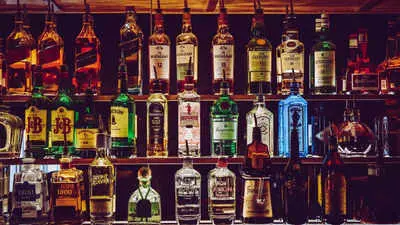
The paper notes a significant rise in illicit liquor trade and the use of alternative intoxicants. It praises Chief Minister Nitish Kumar for improving law and order but says Bihar lags in revenue mobilisation and depends heavily on central transfers. The researchers also called for more central funds for flood control and identified education, health, and governance as priority areas. Bihar's debt stands at 39% of state GDP, higher than most states.
The Indian Opinion
The NCAER paper gives ammunition to those who see prohibition as a costly gesture, but it also ignores the political reality: Nitish Kumar won on this promise. For every rupee lost in revenue, a supporter gained. Yet the evidence of rising illicit liquor and unchanged crimes against women is hard to brush aside. The real test is whether the state government will even acknowledge this study, or treat it as another academic exercise. Watch next year's Bihar budget for any shift in excise policy.
Source: timesofindia.indiatimes.com
This story was synthesised by AI from the source linked above.
Updated: this story now draws on 1 sources.