Now Reading: Link traffic challans to power bills for recovery, Supreme Court suggests
-
01
Link traffic challans to power bills for recovery, Supreme Court suggests

Link traffic challans to power bills for recovery, Supreme Court suggests

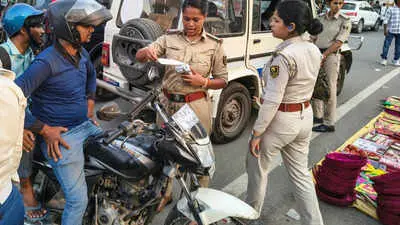
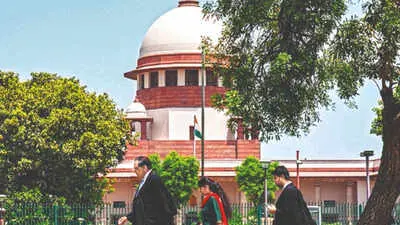
The Supreme Court on Monday asked the government to link unpaid traffic challans to electricity bills as a method of recovery. A bench of Justices J B Pardiwala and K V Viswanathan…
The Supreme Court on Monday asked the government to link unpaid traffic challans to electricity bills as a method of recovery. A bench of Justices J B Pardiwala and K V Viswanathan said if people do not pay challans, the amount should be added to their power dues, leaving them the choice of paying or facing disconnection.
The court also suggested blacklisting vehicles with unpaid challans and blocking ownership transfers. The bench said it was not enough to issue e-challans. 'Police may issue thousands and lakhs. The question is recovery,' it observed.
The court was told that challans worth Rs 45,000 crore have been issued but only Rs 25,000 crore recovered. The bench added random checks of vehicles against unpaid e-challans should be conducted. The government is expected to respond with its plan.
Indian Opinion Analysis
The Supreme Court's suggestion to link unpaid traffic challans to electricity bills has drawn starkly different coverage. The Times of India reports the proposal neutrally, framing it as the court seeking an innovative recovery method amid Rs 45,000 crore in issued challans and Rs 25,000 crore recovered. M9 News leads with the headline's implied threat, highlights public criticism calling the move unethical, and omits the Rs 45,000 crore figure entirely while citing Rs 20,000 crore in dues. The gap omits the scale of the problem. The balanced reading: the court proposed a mechanism, not an order, and recovery rates remain the core issue. The traffic department must respond with its own plan before the next hearing.
Coverage: 2 sources, 1 neutral, 1 sensationalist
Sources (2): timesofindia.indiatimes.com (neutral report), m9.news (sensationalist)
This brief was synthesised by AI from the 2 sources linked above, so one read covers every framing they carry.