














Now Reading: Lok Sabha clears law enabling future charges on UPI payments
-
01
Lok Sabha clears law enabling future charges on UPI payments


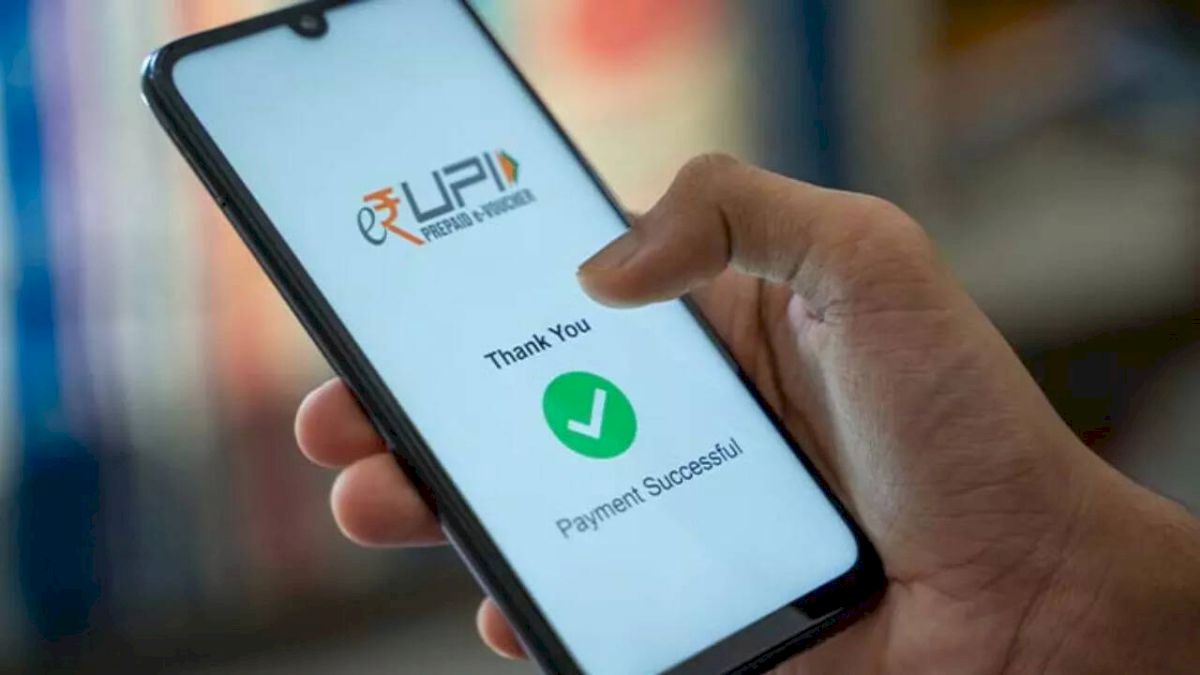
The Lok Sabha on Thursday passed the Taxation and Other Laws (Amendment) Bill, 2026, enabling the Centre to permit charges on UPI, RuPay and other notified electronic payments. The Bill removes the…
The Story in Brief
The Lok Sabha on Thursday passed the Taxation and Other Laws (Amendment) Bill, 2026, enabling the Centre to permit charges on UPI, RuPay and other notified electronic payments. The Bill removes the current legal bar on Merchant Discount Rate, but does not impose any fee. Any charge would require a separate government notification.

The Times of India reports that the government may consider a 0.25% to 0.4% MDR on business payments above Rs 2,000, while person-to-person transfers could remain exempt. That proposal has not been formally announced. RBI Governor Sanjay Malhotra called it premature to speculate. The Bill also offers tax measures for electronics manufacturing, foreign investment funds and data centres.
The Indian Opinion
The loudest claim is that UPI will immediately become costly for everyone. That is not what Parliament approved. The opposite claim, that banks should simply absorb rising infrastructure costs, is also incomplete. The law creates room for a future decision, not a settled pricing model. The practical test is the Centre’s notification: which payments it covers, whether small merchants are protected, and whether peer-to-peer transfers stay free.
Sources (5): timesnownews.com, timesofindia.indiatimes.com, thenewsminute.com, timesofindia.indiatimes.com (2), ndtv.com
This story was synthesised by AI from the 5 sources linked above.
Updated: this story now draws on 5 sources.