














Now Reading: Lok Sabha panel finds ex-judge guilty in cash case
-
01
Lok Sabha panel finds ex-judge guilty in cash case



A Lok Sabha inquiry committee has indicted former Allahabad High Court judge Yashwant Varma in the cash-at-home case, finding all three charges against him 'proved'. The panel said Varma's explanation for the…
The Story in Brief
A Lok Sabha inquiry committee has indicted former Allahabad High Court judge Yashwant Varma in the cash-at-home case, finding all three charges against him 'proved'. The panel said Varma's explanation for the discovery of unaccounted Rs 500 notes at his official residence was 'evasive' and 'unsatisfactory'. He resigned during the inquiry, which began after a fire at his Delhi home in March 2025 revealed burnt currency.
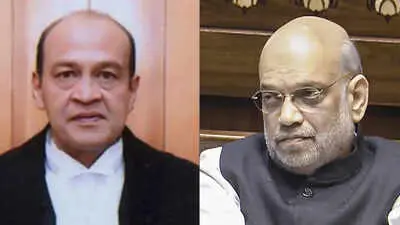
The three charges are possession of unexplained cash, failure to preserve evidence, and furnishing misleading explanations. With Varma's resignation, the path forward is unclear: under the Judges (Inquiry) Act, the removal motion would normally go to Parliament, but the law does not explicitly provide punishment after a judge leaves office. The government has not made a statement on next steps.
The Indian Opinion
Narratives around this case swing wildly. Some paint it as proof of a corrupt judiciary, others as a political hit job on an honest judge. The facts are narrow: a panel found three charges proved, and Varma resigned. The real test now is legal, not political. Can Parliament proceed with removal after resignation? The law is silent. Watch whether the government pushes the motion or lets it lapse, that will tell you if accountability or convenience wins.
Sources (2): timesofindia.indiatimes.com, thehindu.com
This story was synthesised by AI from the 2 sources linked above.
Updated: this story now draws on 2 sources.