










Now Reading: Karnataka High Court rejects divorce plea over loss of interest
-
01
Karnataka High Court rejects divorce plea over loss of interest

Karnataka High Court rejects divorce plea over loss of interest

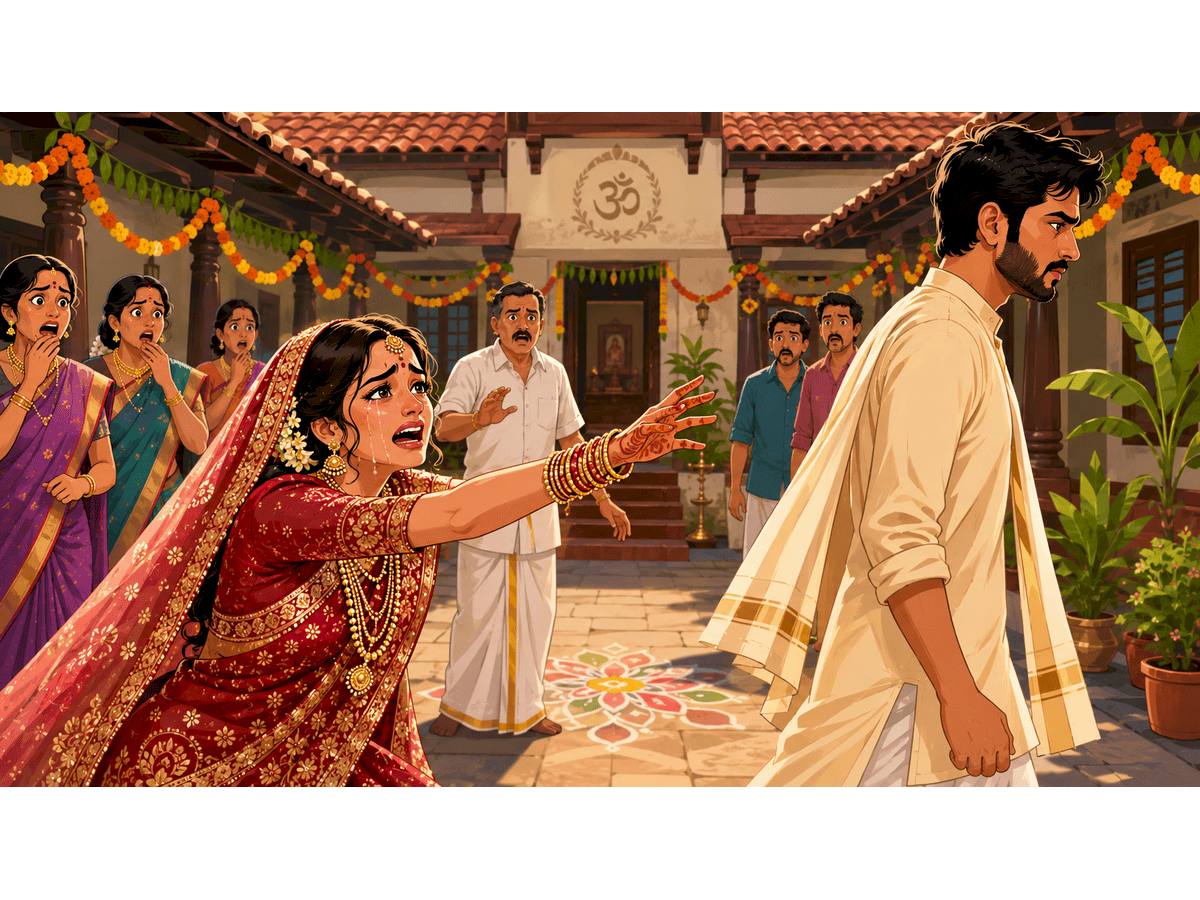
The Karnataka High Court has dismissed a Mysuru man's appeal for divorce after 21 years of marriage, according to a report in The Economic Times. He argued that he had lost interest…
The Karnataka High Court has dismissed a Mysuru man's appeal for divorce after 21 years of marriage, according to a report in The Economic Times. He argued that he had lost interest in the relationship and that his wife had not responded when he asked her to resume married life, the couple have a daughter who is almost a major. A family court had already rejected his claim that his wife had treated him with cruelty, and under cross-examination he admitted that he had stopped living as her husband simply because he no longer wanted to.
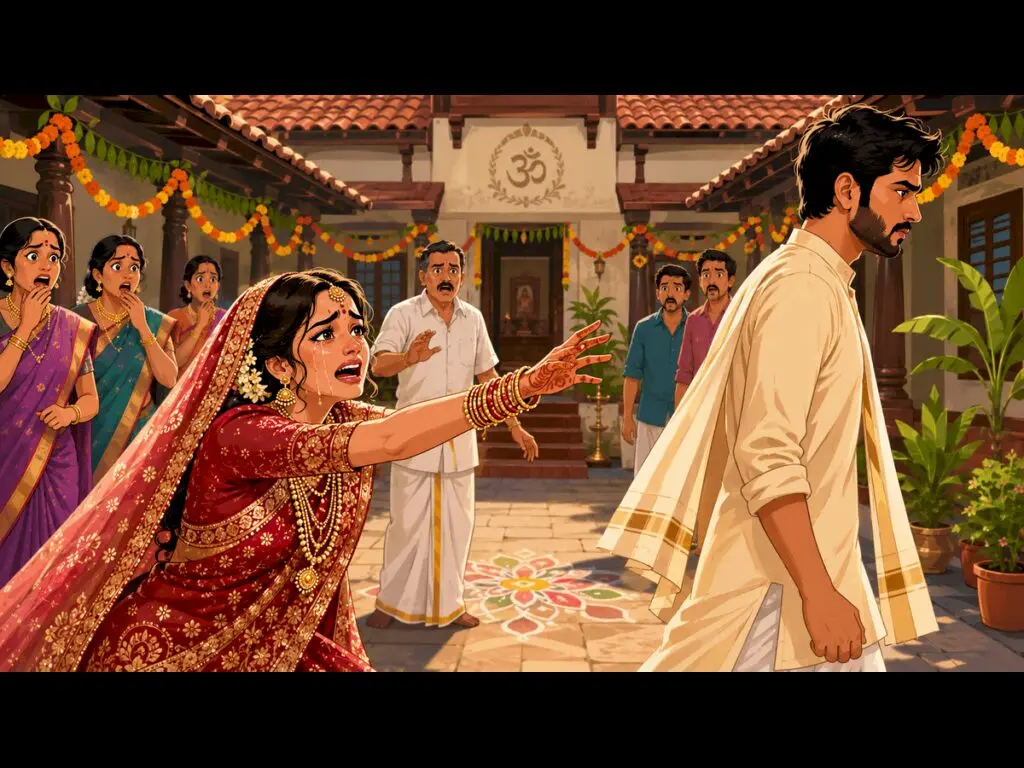
A division bench, of Justices D K Singh and T M Nadaf, ruled that marriage under Hindu law is a sacrament rather than a contract, and held that he could not use his own withdrawal from the marriage as grounds to end it. Advocate Mayank Arora, quoted in the report, said the court would not accept loss of interest alone as grounds for divorce.
Indian Opinion Analysis
The Economic Times account turns on two specific findings rather than the broader phrase loss of interest that headlines the case: the unproved cruelty allegation, and the husband's own admission under cross-examination that he had stopped living as her husband simply because he no longer wanted to. The bench's reasoning, that a person cannot benefit from his own wrongdoing, follows from those particular facts rather than any wider view of unhappy marriages. That dismissal is recorded as case NC:2026:KHC:36045-DB, delivered 15 July 2026, the citation against which any further appeal would have to be filed.
Source: economictimes.indiatimes.com
This brief was synthesised by AI from the source linked above.