


















Now Reading: Madras Crocodile Bank turns 50, bred over 47 gharials since 1976
-
01
Madras Crocodile Bank turns 50, bred over 47 gharials since 1976


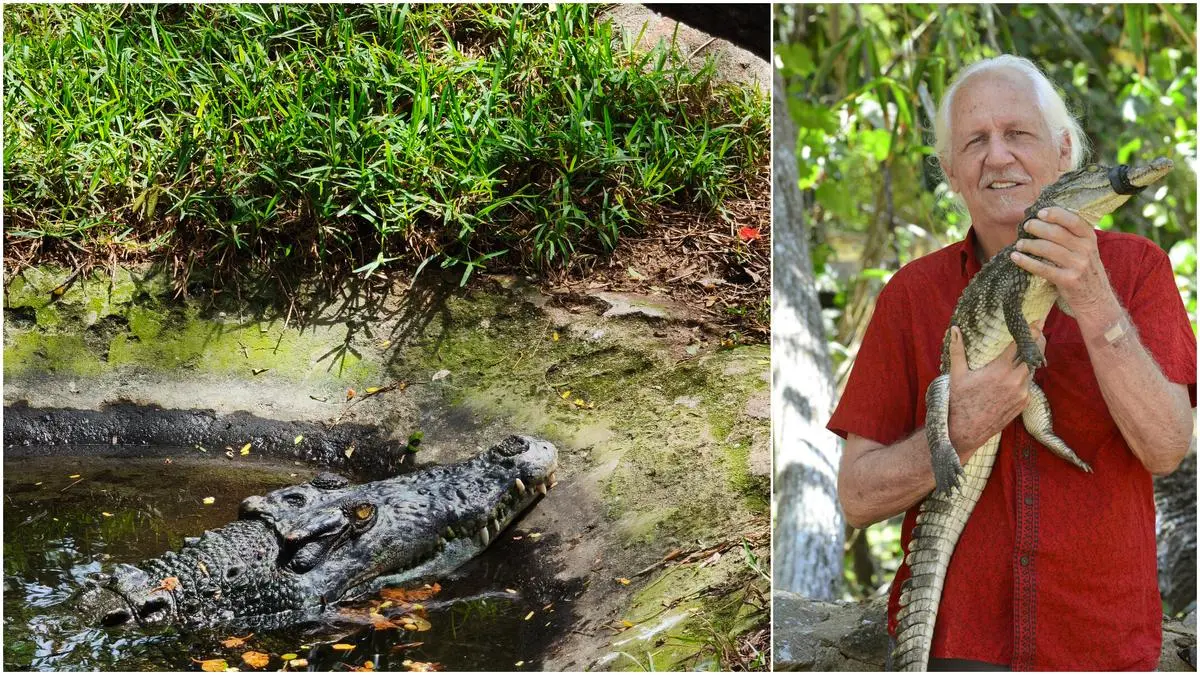
The Madras Crocodile Bank Trust (MCBT) in Tamil Nadu marked 50 years since its founding on August 26, 1976. Co-founded by herpetologist Romulus Whitaker and Zai Whitaker, the eight-and-a-half-acre facility now houses 395 crocodiles, including 47 gharials, one of the world's most critically endangered crocodilians. The bank also cares for 32 other reptile species including turtles, snakes, and lizards.
The idea originated during a 1972 crocodile survey when Rom Whitaker envisioned a breeding and rewilding facility. Initial funding came from wedding gifts, family support including contributions from Zai's father Zafar Futehally and uncle Salim Ali, and the sale of possessions. The first 5,000-rupee-an-acre plot of coastal land was bought near Chennai. Over five decades, MCBT has pioneered conservation programmes including snake bite mitigation research and the Irula Snake Catchers' Cooperative, and established the Andaman and Nicobar Environmental Team in 1990.
The Indian government had listed all three native crocodilian species, mugger, saltwater, and gharial, under the Wildlife Protection Act of 1972 after hunting for their skins pushed populations into decline. The trust continues to operate as a private facility, combining captive breeding, research, and public education.
Indian Opinion Analysis
The Madras Crocodile Bank Trust (MCBT) was founded against the backdrop of the government's 1970s crocodile conservation program, when all three Indian crocodilian species were pushed to the brink by the skin trade. Under the Wildlife Protection Act of 1972, the central and state forest departments began captive breeding and restocking, and MCBT became a key partner. The trust's most tangible achievement has been the restocking of gharials in rivers such as the Chambal and the Ganga, though the species remains critically endangered. What keeps MCBT relevant today is not just its breeding record but its evolution into a research centre, particularly through the Snake Bite Mitigation Project, which addresses India's high snakebite mortality. The trust's model, combining tourism revenue, research, and public education, has been replicated by few other private zoos in India, making its 50-year survival a rare institutional feat.
Source: thehindu.com
This brief was synthesised by AI from the source linked above. Methodology and corrections.