











Now Reading: American crocodiles thrive at Florida nuclear plant’s canals
-
01
American crocodiles thrive at Florida nuclear plant’s canals



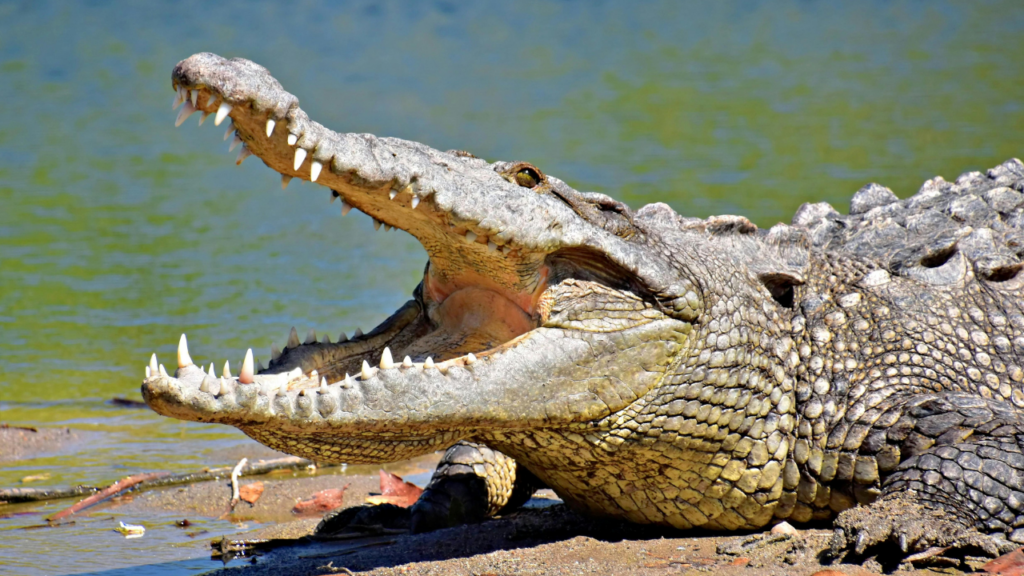
Times of India reports that in July 2019, wildlife specialists at Florida's Turkey Point nuclear plant rescued 73 newly hatched American crocodiles in a single week. The plant's 270 km of artificial…
The Story in Brief
Times of India reports that in July 2019, wildlife specialists at Florida's Turkey Point nuclear plant rescued 73 newly hatched American crocodiles in a single week. The plant's 270 km of artificial canals have become a vital habitat for the species, which once nearly vanished from the US. By 2019, the site held roughly a quarter of the country's estimated 2,000 American crocodiles, making it one of their three major habitats. The conservation programme, running since 1978, has tagged about 7,000 hatchlings. The raised berms also offer nesting sites safe from rising sea levels that threaten coastal nests.
The Indian Opinion
The story of crocodiles nesting beside a nuclear reactor is a neat counterpoint to the usual fears about industrial pollution. But it is also a reminder that a man-made refuge is not a substitute for natural habitat. The real test will come when rising seas push even more nesting inland. Can the canals absorb the pressure, or will the crocodiles run out of room? That number will settle the question.
Source: timesofindia.indiatimes.com
This story was synthesised by AI from the source linked above.