












Now Reading: Maharashtra seeks UNESCO heritage tag for Ganeshotsav, Dahi Handi
-
01
Maharashtra seeks UNESCO heritage tag for Ganeshotsav, Dahi Handi


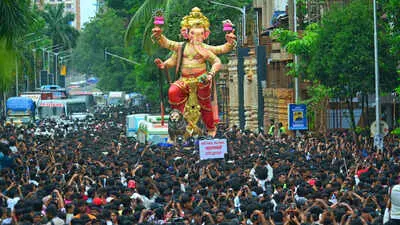
Maharashtra has formally moved to get UNESCO's Intangible Cultural Heritage recognition for Ganeshotsav and Dahi Handi, the state government announced. Cultural affairs minister Ashish Shelar said programmes would be held across all 36 districts, 10 other states and one foreign country to build the case.
Ganeshotsav traces its roots to 1893 when Bal Gangadhar Tilak turned a private worship into a public festival during the freedom movement. Today, Maharashtra has an estimated 28 lakh Ganpati idols, with about 10,600 mandals in Mumbai alone. Dahi Handi, held after Janmashtami, has grown into a competitive sport with around 1,800 events across Maharashtra in 2025, the state insures each Govinda participant for Rs 10 lakh.
The bid follows Deepavali's UNESCO listing in 2025. Other Indian traditions already on the list include Durga Puja, Kumbh Mela and Garba. UNESCO's list aims to safeguard living heritage passed down through generations.
Indian Opinion Analysis
Times of India's coverage is a neutral, descriptive government announcement. It frames the UNESCO bid as a natural step after Deepavali's success, emphasises heritage and numbers (28 lakh idols, 1,800 Dahi Handi events), and attributes claims to minister Ashish Shelar without challenge. The article omits any opposition criticism or logistical hurdles, whether the state has met UNESCO's community-participation criteria or whether the estimated 28 lakh idols create environmental concerns. A careful reader should see this as the official launch of a campaign, not a foregone conclusion. What to watch: UNESCO's tentative list decision, typically two to three years after nomination.
Coverage: 1 source, 1 pro-government
Source: timesofindia.indiatimes.com (pro government)
This story was synthesised by AI from the source linked above. Methodology and corrections.