











Now Reading: Delhi census self-enumeration likely to start 10 January 2027
-
01
Delhi census self-enumeration likely to start 10 January 2027


The Story in Brief
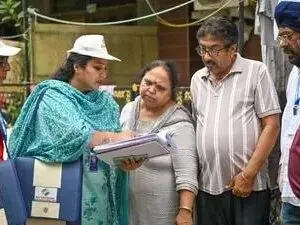
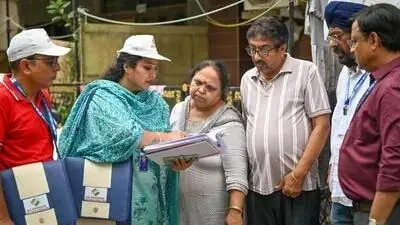
The second phase of the 2027 census, population enumeration, is likely to begin with a 15-day self-enumeration period from 10 January 2027 in Delhi, followed by door-to-door visits from 25 January to 28 February, officials told Hindustan Times on Thursday (22 October 2026). The Directorate of Census Operations, Delhi, held a training session on Thursday for district officials, covering digital data collection, privacy concerns and security. This is the first census in independent India to include a caste question, listed as an open-ended query.
Meanwhile, the Registrar General of India has directed all state and Union Territory directorates to maintain 24×7 social media monitoring cells to track discussions and publish real-time rebuttals and fact-checks as the population enumeration phase nears, Nagaland Post reported on Tuesday (20 October 2026) citing a PTI report. The RGI's planned publicity drive includes advertisements in newspapers, television, digital cinema screens and WhatsApp outreach. Data collection is targeted for completion by 1 March 2027, with results expected in two to three years.
Indian Opinion Analysis
Hindustan Times reports concrete target dates for the Delhi census phase starting 10 January 2027, while Nagaland Post carries the RGI's directive for social media monitoring cells across all states. The two sources thus cover complementary operational aspects: one local and date-specific, the other national and policy-oriented. Neither source adopts a critical stance, both present the official account without scepticism. The uniform straight reporting means a reader gets a factual update on timeline and publicity measures, but no independent scrutiny of privacy or census methodology. The RGI’s directive for real-time fact-checks, as published by Nagaland Post, implicitly acknowledges the potential for misinformation, but neither source explores this independently.
Coverage: 2 sources, 2 neutral
Sources (2): hindustantimes.com (neutral report), nagalandpost.com (neutral report)
This brief was synthesised by AI from the 2 sources linked above, so one read covers every framing they carry. Methodology and corrections.