















Now Reading: Max Richter on scoring Hamnet with Elizabethan folk and electronic textures
-
01
Max Richter on scoring Hamnet with Elizabethan folk and electronic textures

Max Richter on scoring Hamnet with Elizabethan folk and electronic textures

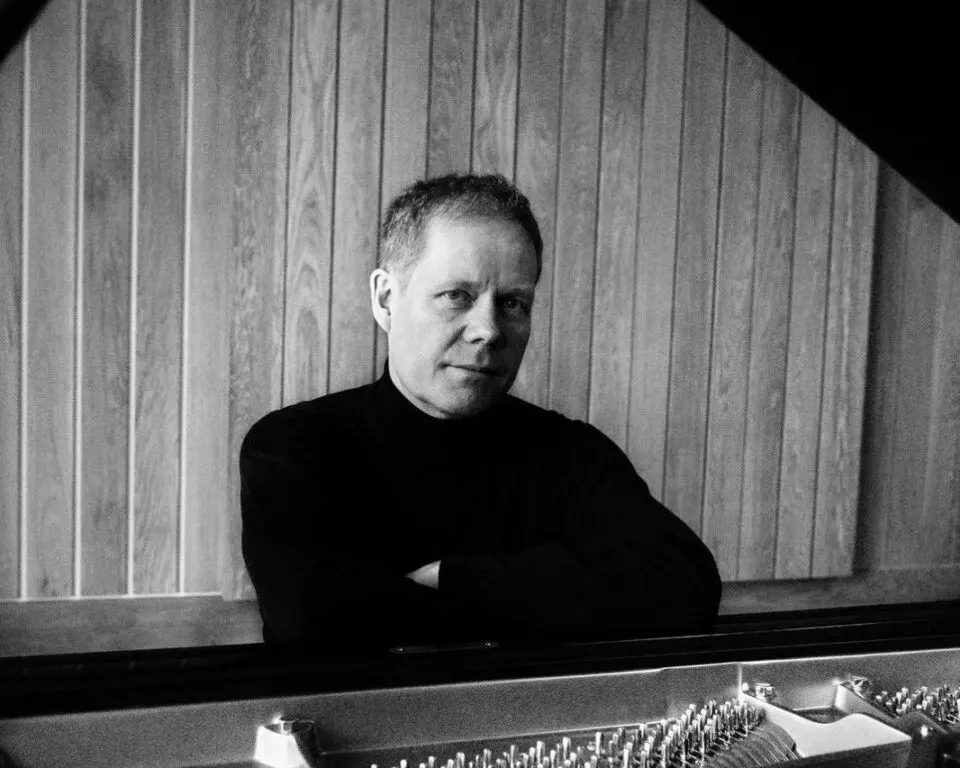
British composer Max Richter has spoken about his score for Chloé Zhao's film Hamnet, now streaming on Lionsgate Play in India. The historical drama, adapted from Maggie O'Farrell's novel, follows Agnes Hathaway…
The Story in Brief
British composer Max Richter has spoken about his score for Chloé Zhao's film Hamnet, now streaming on Lionsgate Play in India. The historical drama, adapted from Maggie O'Farrell's novel, follows Agnes Hathaway and William Shakespeare as they mourn their son while the playwright works on Hamlet. Richter's score blends Renaissance instruments like the harp, hurdy-gurdy, and viols with ambient electronic textures and vocal material. He tells Rolling Stone India he used 'scrapes and squeaks' to create an 'ASMR' quality, treating voices as instruments and manipulating period sounds electronically. Zhao used Richter's compositions on set as mood setters for the cast.
Richter's existing piece 'On the Nature of Daylight' was used in the film's final scene. The composer was nominated for Best Original Score at the Oscars for Hamnet. He will make his India debut at the NMACC Grand Theatre on October 24, 2026. His next film score is for the Iranian drama Falling House, premiering at the Venice Film Festival in September 2026.
The Indian Opinion
Music biopics often drown us in reverence. Rolling Stone India's profile of Max Richter offers a refreshing look at craft, letting the composer explain how he built Hamnet's sound from scrapes and folk instruments rather than cloying sentiment. The one lazy narrative here is the assumption that period films need old-fashioned scores. Richter shows that marrying Renaissance sounds with electronic treatments can feel more alive than a literal recreation. Watch for how Indian critics judge his October debut: will they celebrate the experimentation or demand the familiar raga-inspired sleep piece he once promised?
Source: rollingstoneindia.com
This story was synthesised by AI from the source linked above.