Now Reading: Mecca defence pact seen as setback for India
-
01
Mecca defence pact seen as setback for India



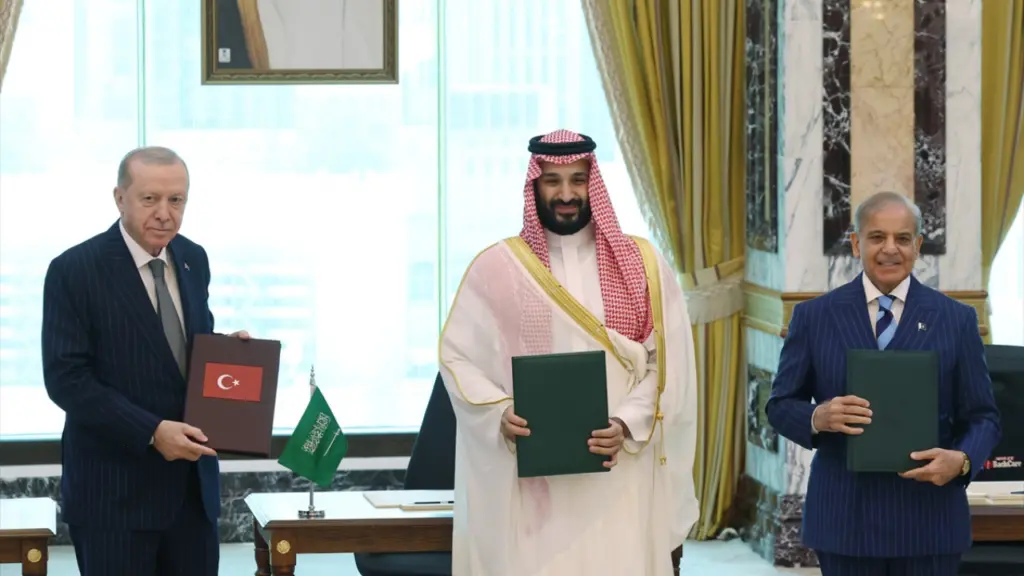
On August 7, Saudi Arabia, Turkey and Pakistan signed the 'Makkah Joint Defence Agreement', declaring that an armed attack on any one member would be considered an attack on all. The pact,…
The Story in Brief
On August 7, Saudi Arabia, Turkey and Pakistan signed the 'Makkah Joint Defence Agreement', declaring that an armed attack on any one member would be considered an attack on all. The pact, rooted in Islamic solidarity, aims to strengthen collective deterrence and defence cooperation, but its practical implications remain unclear.
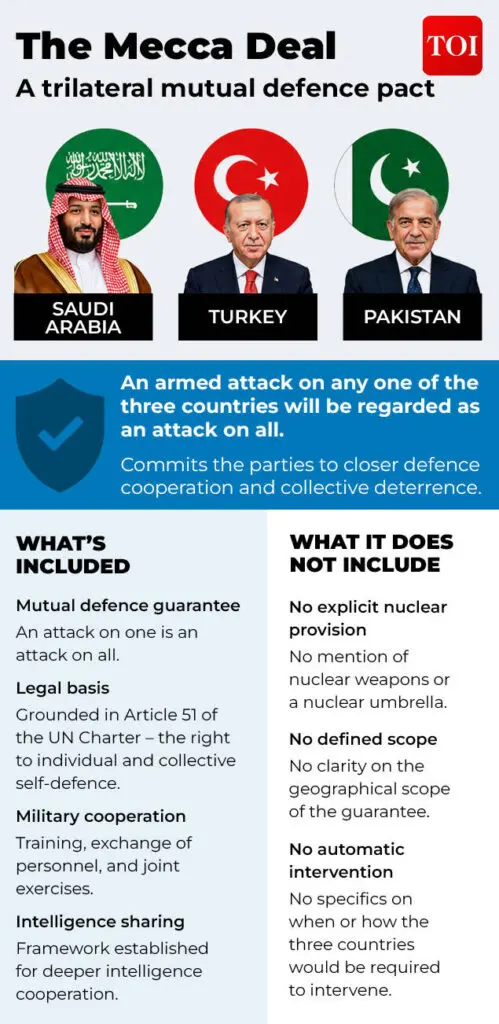
Indian analysts view the pact as a negative development. Former foreign secretary Kanwal Sibal, quoted by Times of India, called it 'very negative for Indian interests'. Hindustan Times notes the pact could give Pakistan more access to Turkish defence technology and Saudi financial support, potentially emboldening it against India. However, Frontline reports the signatories insist the agreement is defensive and not directed at any specific country.
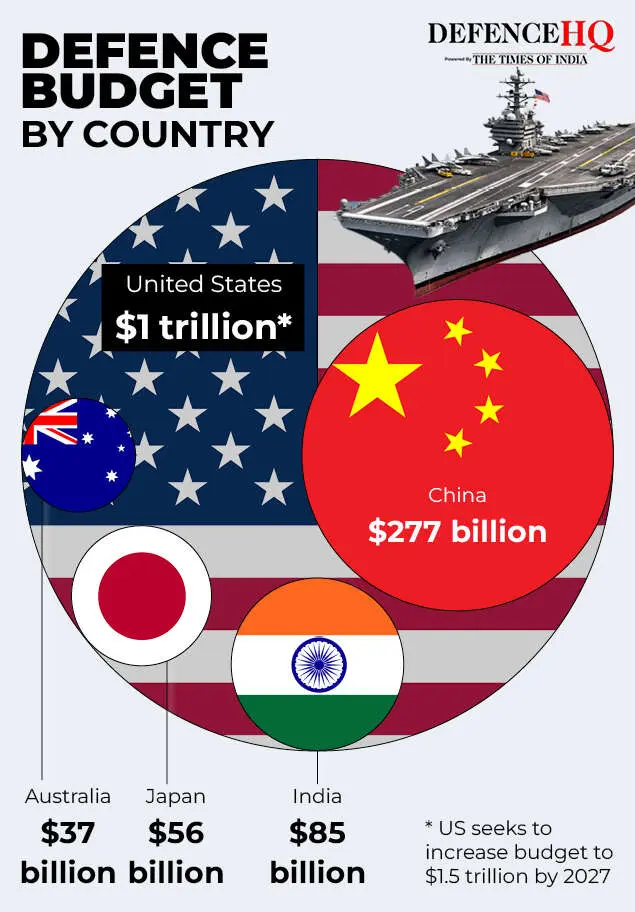
The Indian Opinion
Some commentators frame the pact as a Huntington-style civilisational bloc, but that oversimplifies a messy reality. Each member has different primary adversaries: Saudi Arabia worries about Iran, Pakistan about India, Turkey about Greece and the Kurds. The real test is whether Turkey or Saudi Arabia would actually fight for Pakistan in a conflict with India. Watch for concrete transfers of Turkish drones or Saudi financing to Pakistan's military in the coming months.
Sources (4): hindustantimes.com, timesofindia.indiatimes.com, frontline.thehindu.com, swarajyamag.com
This story was synthesised by AI from the 4 sources linked above.
Updated: this story now draws on 4 sources.