


Now Reading: Meerut Muslim family makes Dussehra effigies in Shimla for 20 years
-
01
Meerut Muslim family makes Dussehra effigies in Shimla for 20 years


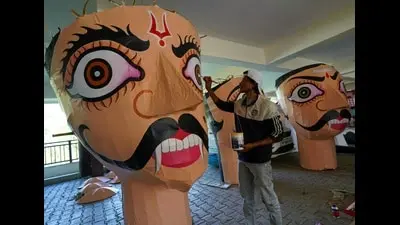
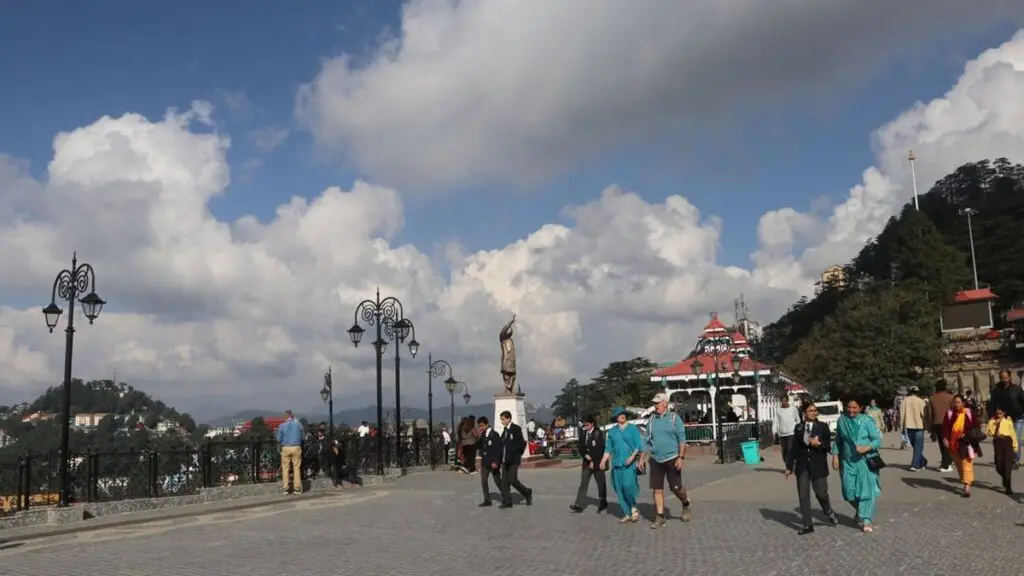
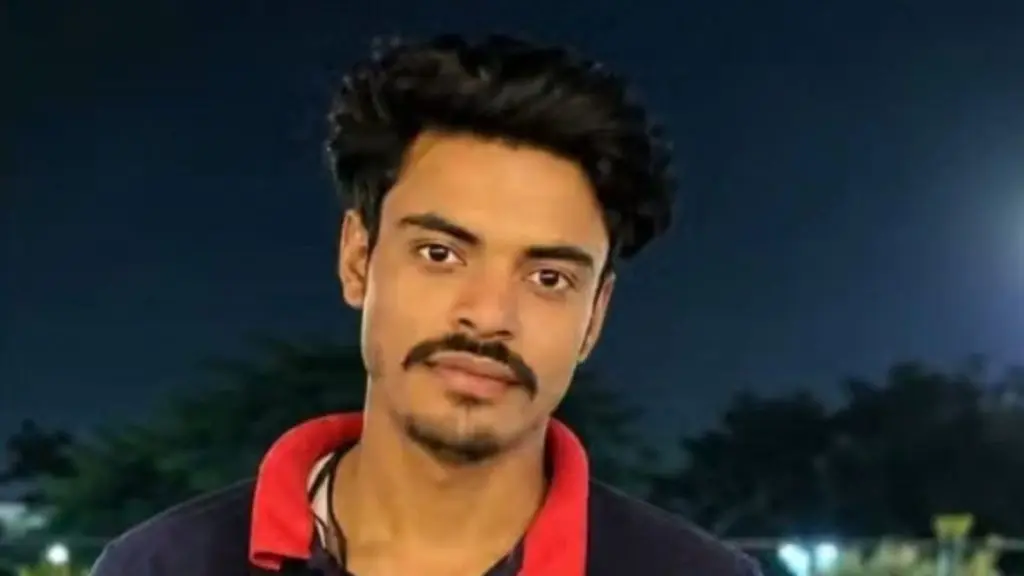
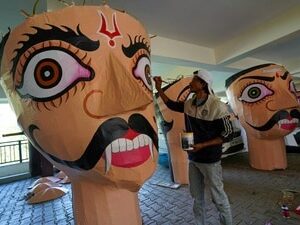
A Muslim family from Meerut in Uttar Pradesh is crafting effigies of Ravana, Kumbhkaran and Meghnad for Dussehra celebrations at Shimla's historic Jakhu temple, with the festival on 20 October. Artist Mohammad Sohil said his family had been associated with the tradition for about 20 years, following elders whose involvement spans nearly 70 years.
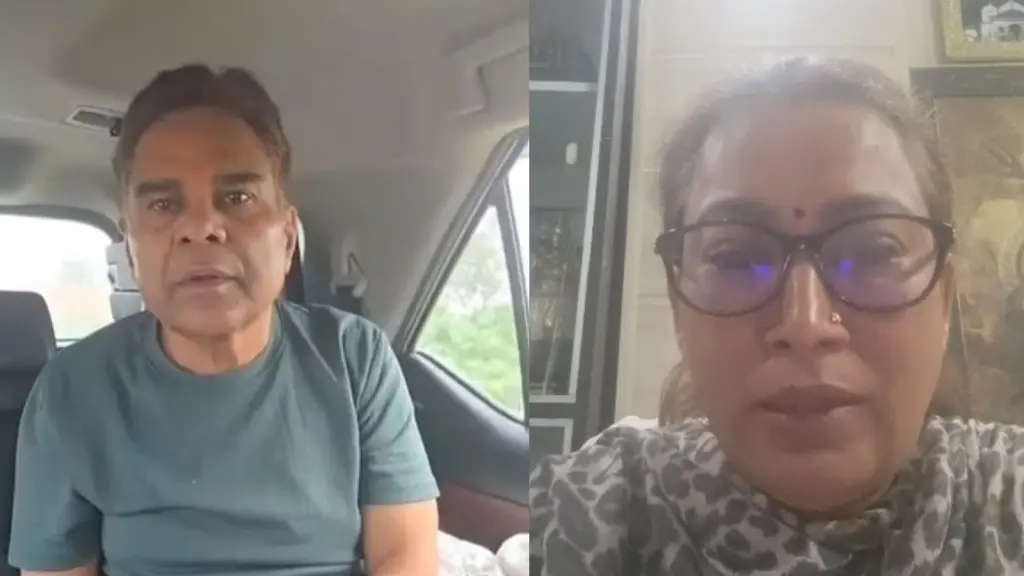
Sohil said the team of 20 to 22 people had already spent three days at Jakhu and would complete the effigies in two days. He added that they had never faced problems and were treated with love and respect. Another artist, Abdul Azim, said they were using fewer firecrackers this year to reduce pollution and had changed the clothing on the effigies.
The artists, who have regular jobs as barbers, painters, tailors and mechanics, said the work was extra income. Sohil said some people try to divide on the basis of religion, which weakens the secular fabric, and urged maintaining brotherhood. India TV News reported Sohil's father had held the contract for 20 years and the family took a one-year break during the COVID-19 pandemic.
Indian Opinion Analysis
Hindustan Times leads with the 70-year family tradition and devotes space to Sohil’s remarks on communal division weakening the secular fabric, while India TV News foregrounds the 20-year contract and the brotherhood quote from Abdul Azim. Hindustan Times omits the COVID-19 break that India TV News reports, and India TV News does not mention the environmental changes to firecrackers and clothing. Both sources are neutral in stance but select different details: Hindustan Times gives more weight to the artist’s political comment, India TV News frames the story purely around harmony. Neither source provides a named next step beyond completing the effigies before the festival on 20 October.
Coverage: 2 sources, 2 neutral
Sources (2): hindustantimes.com (neutral report), indiatvnews.com (neutral report)
This brief was synthesised by AI from the 2 sources linked above, so one read covers every framing they carry. Methodology and corrections.