













Now Reading: Meghalaya council approves separate ST-only voter roll
-
01
Meghalaya council approves separate ST-only voter roll


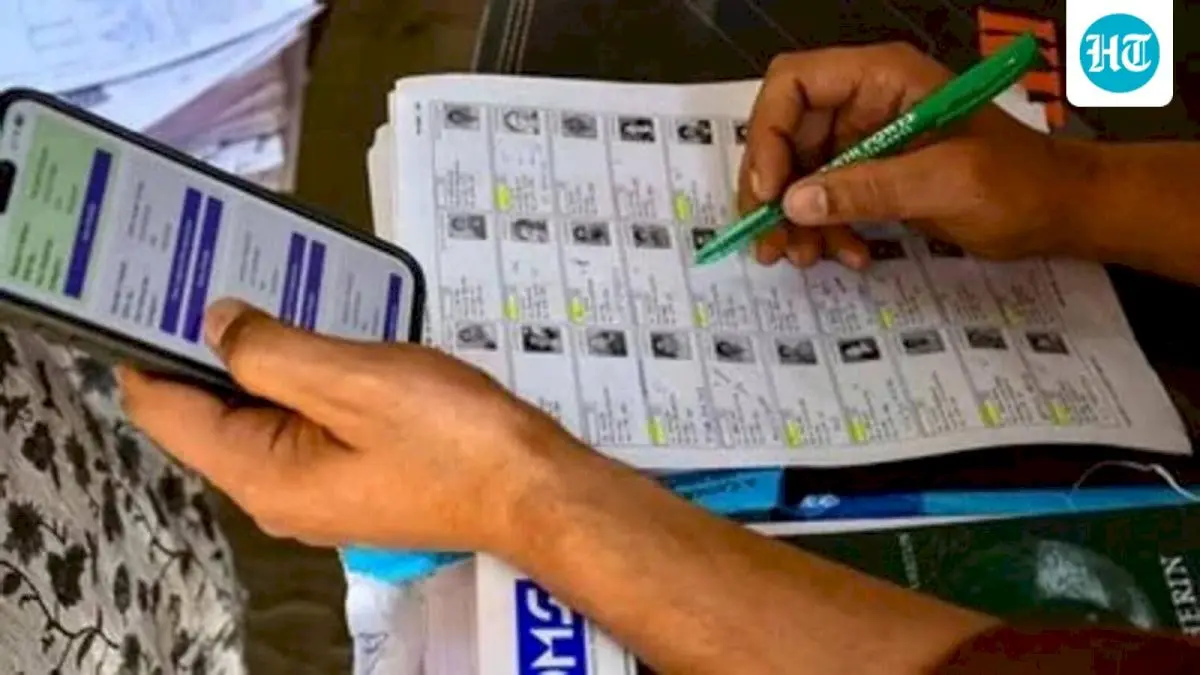
The Garo Hills Autonomous District Council (GHADC) in Meghalaya on Monday approved amendments to Rules 128 and 129, creating a separate electoral roll for its elections and barring non-Scheduled Tribes from voting…
The Story in Brief
The Garo Hills Autonomous District Council (GHADC) in Meghalaya on Monday approved amendments to Rules 128 and 129, creating a separate electoral roll for its elections and barring non-Scheduled Tribes from voting or contesting. The reform ends the council's decades-old practice of using the state assembly electoral roll, which allowed non-tribals to participate. Only persons belonging to Scheduled Tribes notified for Meghalaya will now be eligible, fulfilling a long-standing demand in Garo Hills.
The move follows violent protests earlier this year that forced the postponement of GHADC elections and led to legal scrutiny. The Meghalaya high court had quashed an earlier notification making ST status mandatory for candidates. Chief Minister Conrad K Sangma had backed the demand. Next, the council will prepare a dedicated electoral roll based on the revised eligibility provisions.
The Indian Opinion
Headlines paint this as either a tribal rights victory or a discriminatory move, but the reality is messier. The GHADC was created to protect tribal interests, so limiting its electorate to STs has constitutional logic. But barring non-tribals who have voted for decades disenfranchises established residents. The violent protests earlier this year show the reform is divisive. The real test will be whether the separate roll reduces or provokes more unrest in the Garo Hills.
Sources (2): hindustantimes.com, assamtribune.com
This story was synthesised by AI from the 2 sources linked above.
Updated: this story now draws on 2 sources.